10,000+ Travelers Served with574+ 5-Star Reviews
Questions? Chat with us on WhatsApp+971-523-549-709

8-Day Lebanon Classic » North, South, East & West

8 Days 7 Nights

This Lebanon Classic Tour package of 8 days lets you visit some of the country’s most famous attractions, such as Beirut, Cedars of God, Byblos, Baalbek, Anjar, and Tripoli.

8-day Lebanon classic tour - North, South, East and West
8-Day Lebanon Classic » North, South, East & West Byblos Lebanon 1

Lebanon classic tour during 8 days 7 nights. Beirut airport and hotel transfers. Visit Beirut, Byblos, Baalbek, Anjar, Tripoli. Professional driver and guide.

Product SKU: LEB8/BEY/BEY

Product Brand: RJ Travel - Tour Operator

Product Currency: USD

Product Price: 791

Product In-Stock: InStock

Editor's Rating:
5
  • Beirut
  • Beirut
  • 3-star hotels (optional 4-star)
  • Included
  • Sedan car or van
  • Optional
  • Not included
  • Breakfast
  • Beirut, Jeita Cave, Byblos, Harissa Sidon, Tyre Anjar, Baalbek, Qozhaya, Cedars of God, Tripoli

8-day Lebanon itinerary

Day 1 :
Arrival in Beirut » Airport meet & greet » Transfer to hotel

Met at Beirut airport and driven into a city that has been destroyed and rebuilt seven times and refuses, on principle, to stop enjoying itself. Beirut was the Paris of the Middle East, then a war zone for fifteen years, and is now something harder to categorise: bullet-scarred Ottoman houses beside glass towers, a Roman bath excavated under a car park, and the best nightlife on the Mediterranean. The evening is yours.

Overnight: 4-star hotel in Beirut.

Day 2 :
Beirut » Jeita Grotto » Byblos » Harissa » Beirut

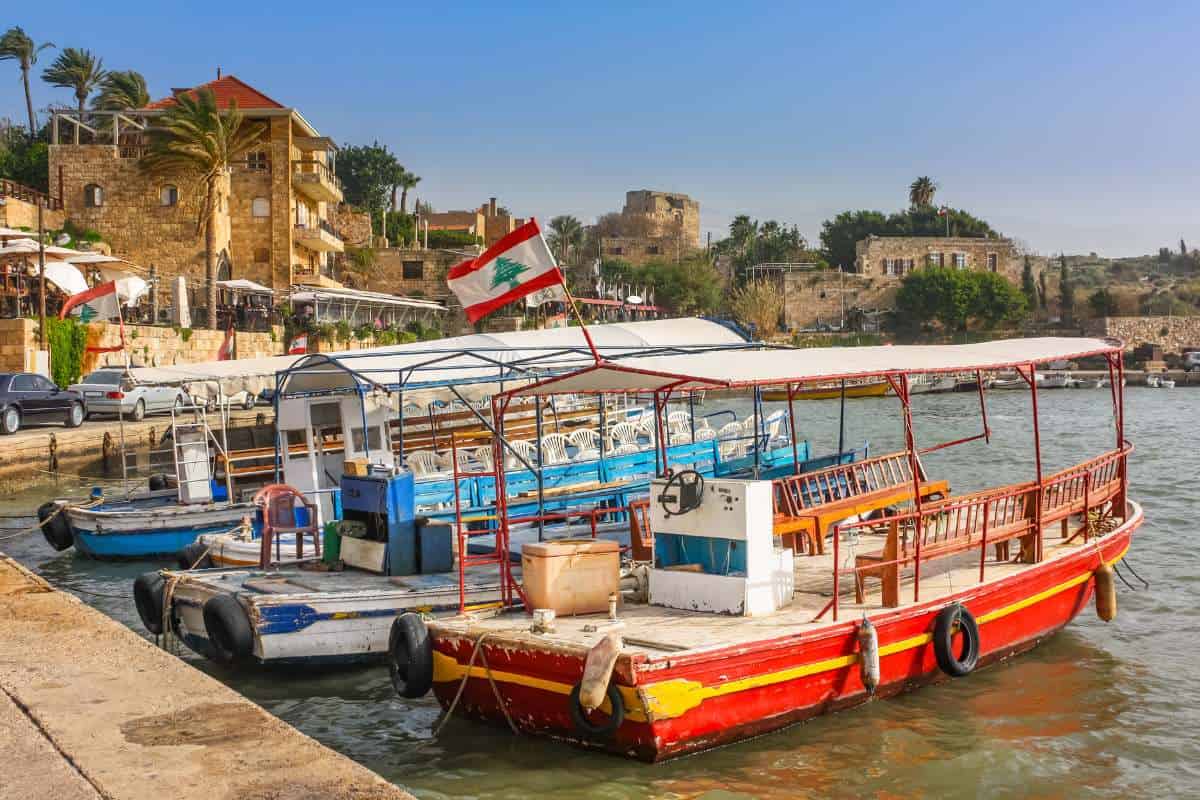
Jeita Grotto is two limestone caverns stacked on top of each other — you walk the upper one and take a boat through the lower, past stalactites nine metres long. Then Byblos, which has a decent claim to be the oldest continuously inhabited town on Earth: seven thousand years of layers, Phoenician on Roman on Crusader. It gave the Greeks their word for 'book', and through it we get the word 'Bible' — the alphabet you are reading was invented here. Finish at Harissa, where a white statue of the Virgin looks out over the bay.

Overnight: 4-star hotel in Beirut.

Day 3 :
Beirut » Sidon » Tyre » Beirut

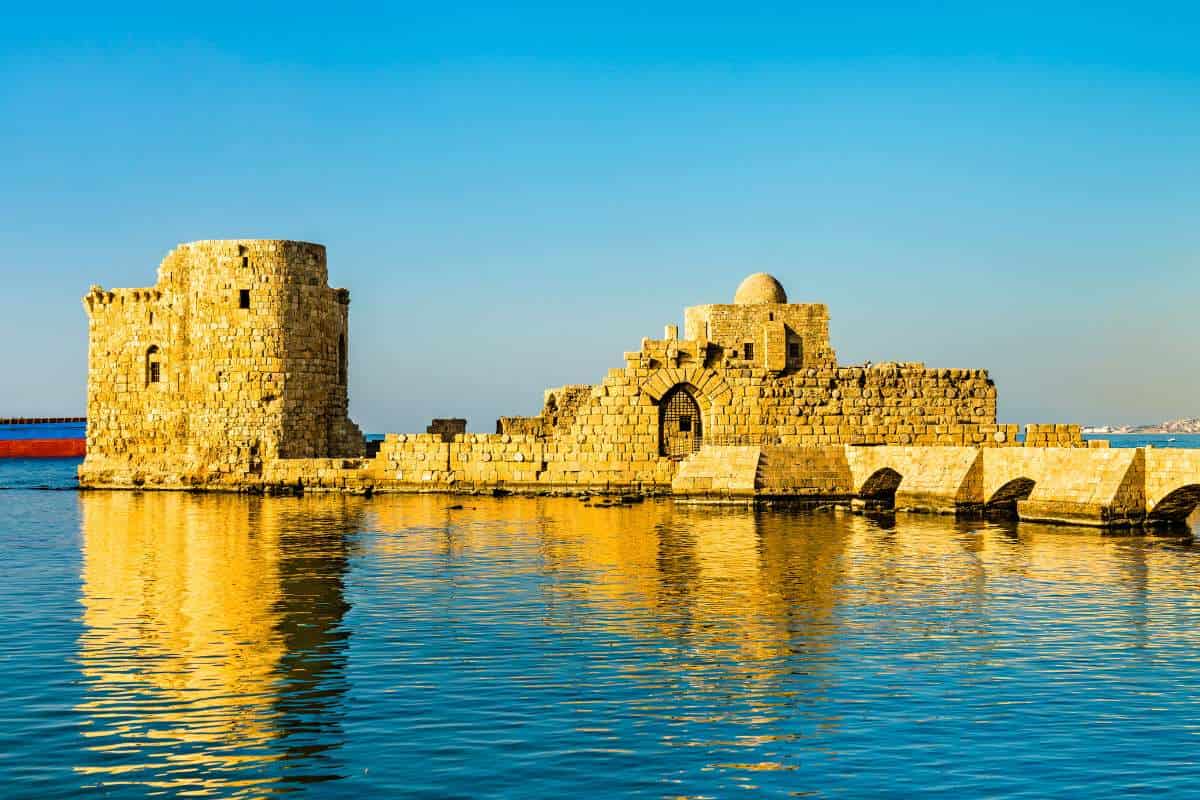
South along the coast to the two great Phoenician ports. Sidon has a Crusader sea castle on an island and a soap museum in a 17th-century khan that is far better than it sounds. Tyre is the one that matters: the city that founded Carthage, produced the purple dye that made emperors purple, and held out against Alexander for seven months until he built a causeway to reach it — a causeway that silted up and permanently joined the island to the mainland. Its Roman hippodrome is the largest ever found.

Overnight: 4-star hotel in Beirut.

Day 4 :
Beirut city tour » National Museum » Downtown » Corniche » Pigeon Rocks

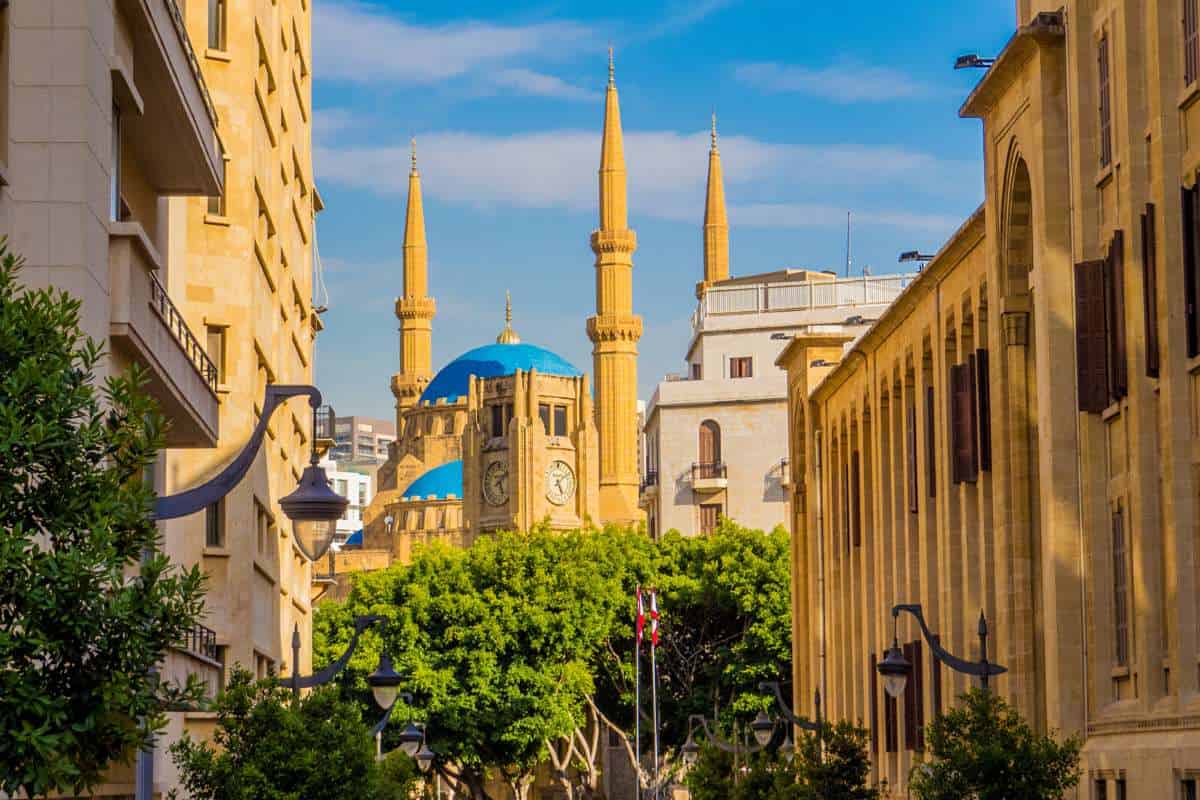
A day in Beirut itself. The National Museum is the essential stop — its collection was walled in behind concrete during the civil war to save it, and the photographs of the staff doing it are part of the display. Downtown was rebuilt from rubble in the 1990s. The Corniche is where the whole city walks at sunset, past the Pigeon Rocks standing offshore. Ask your guide about the Green Line: the street that split the city in two, and exactly where it ran.

Overnight: 4-star hotel in Beirut.

Day 5 :
Beirut » Anjar » Baalbek » Château Ksara » Beirut

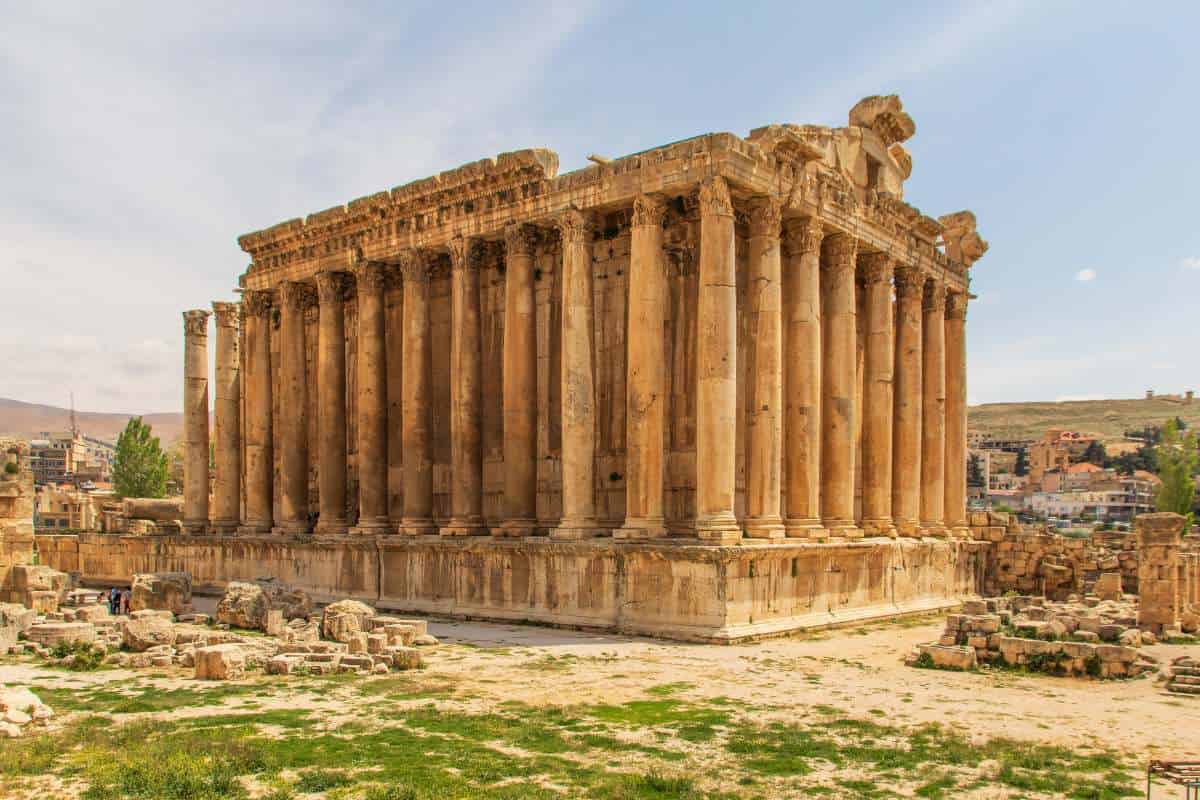
Over the mountains into the Bekaa Valley. Anjar is the only surviving Umayyad city, an 8th-century trading town laid out like a Roman camp. Then Baalbek, which is the reason to come to Lebanon: the Romans built the largest temple complex in their entire empire here, and the six surviving columns of the Temple of Jupiter, twenty metres tall, are the tallest they ever raised anywhere. The foundation stones weigh 800 tonnes each and nobody has fully explained how they were moved. Finish at Château Ksara, making wine in Roman caves since 1857.

Overnight: 4-star hotel in Beirut.

Day 6 :
Beirut » Qozhaya » Gibran Museum » Cedars of God » Beirut

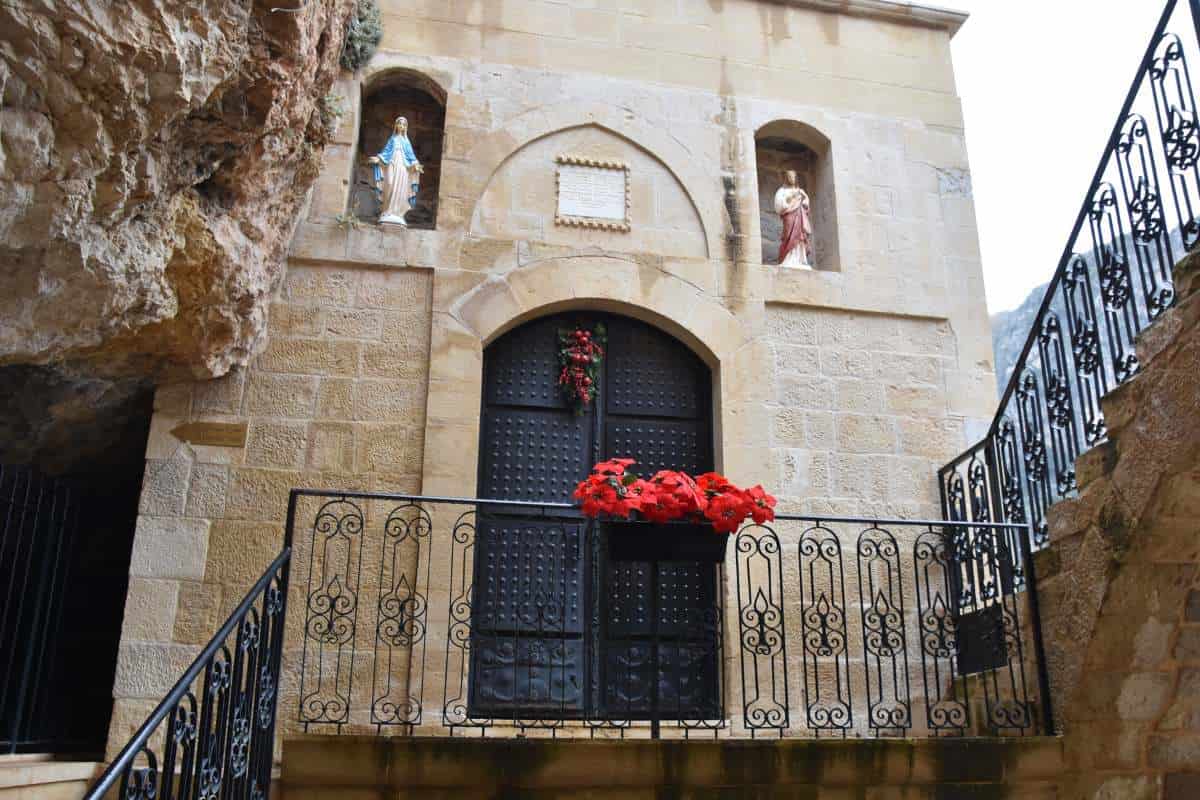
Up into the Qadisha — the Holy Valley — where Maronite Christians have kept monasteries and hermitages in the cliffs since the earliest centuries of the faith. It is a UNESCO site and still a living one. The Gibran Museum in Bsharri holds the paintings and manuscripts of the man who wrote The Prophet, in the old monastery he bought in order to be buried in it. Above stand the Cedars of God: survivors of the forest that roofed Solomon's Temple, built the Phoenician fleets, and flies on the national flag. Some are over a thousand years old.

Overnight: 4-star hotel in Beirut.

Day 7 :
Beirut » Tripoli » Beirut

Tripoli is Lebanon's second city and its most Arab — a Mamluk old town of hammams, khans and madrasas that most visitors skip entirely, under a Crusader citadel. It also has the best sweets in the country, and the rivalry between its pastry houses is a serious matter. Down at the port, the souk of the soap-makers is still working.

Overnight: 4-star hotel in Beirut.

Day 8 :
Departure from Beirut » Transfer to the airport

A transfer to Beirut airport, or on to Damascus if you are continuing overland. End of our services.

You can send your enquiry via the form below.

8-Day Lebanon Classic » North, South, East & West