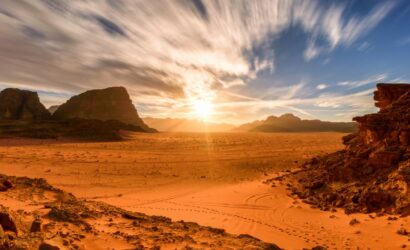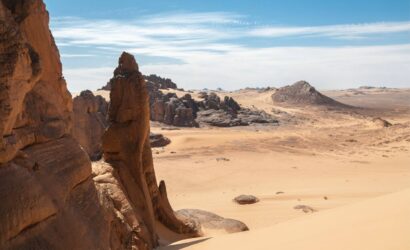
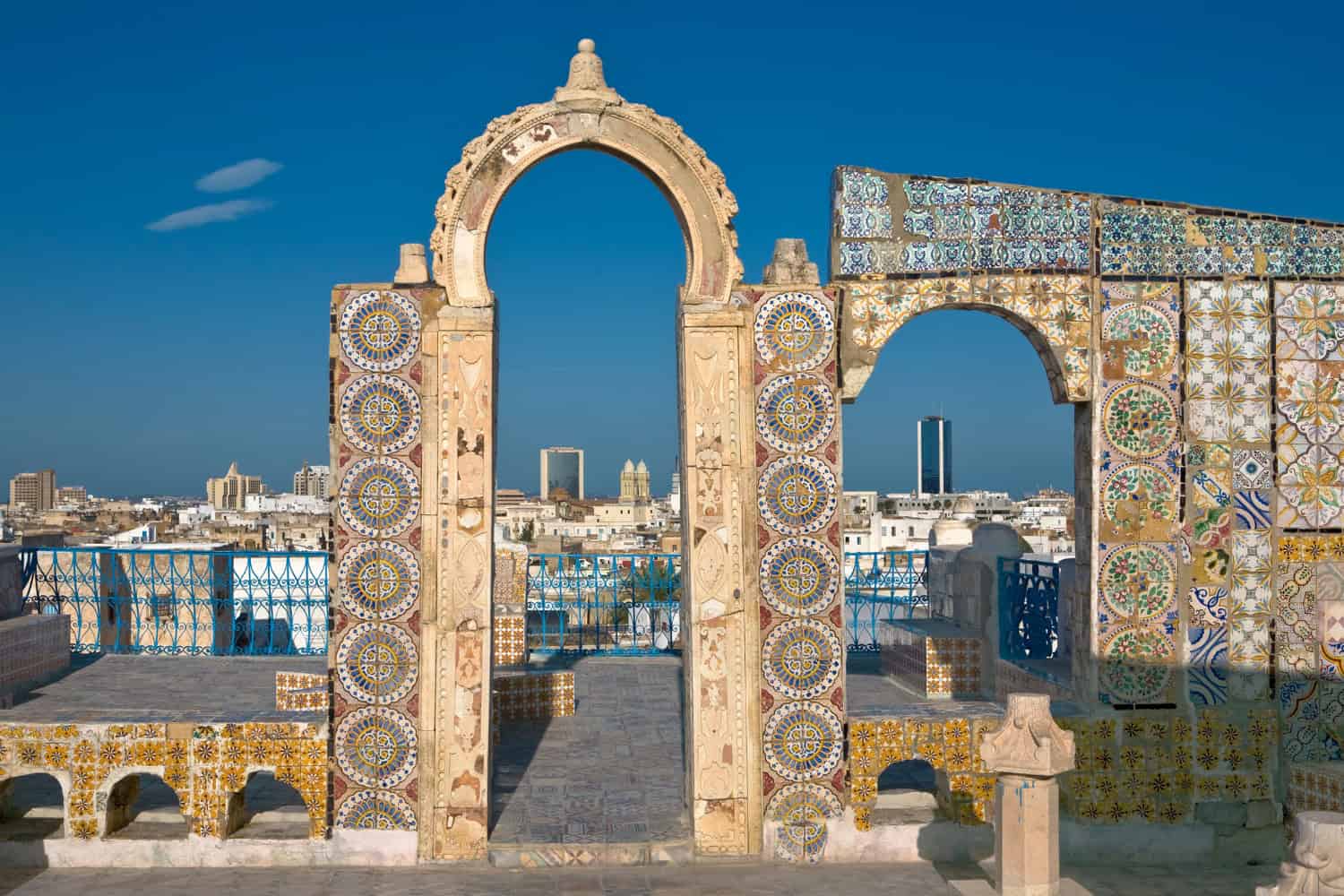
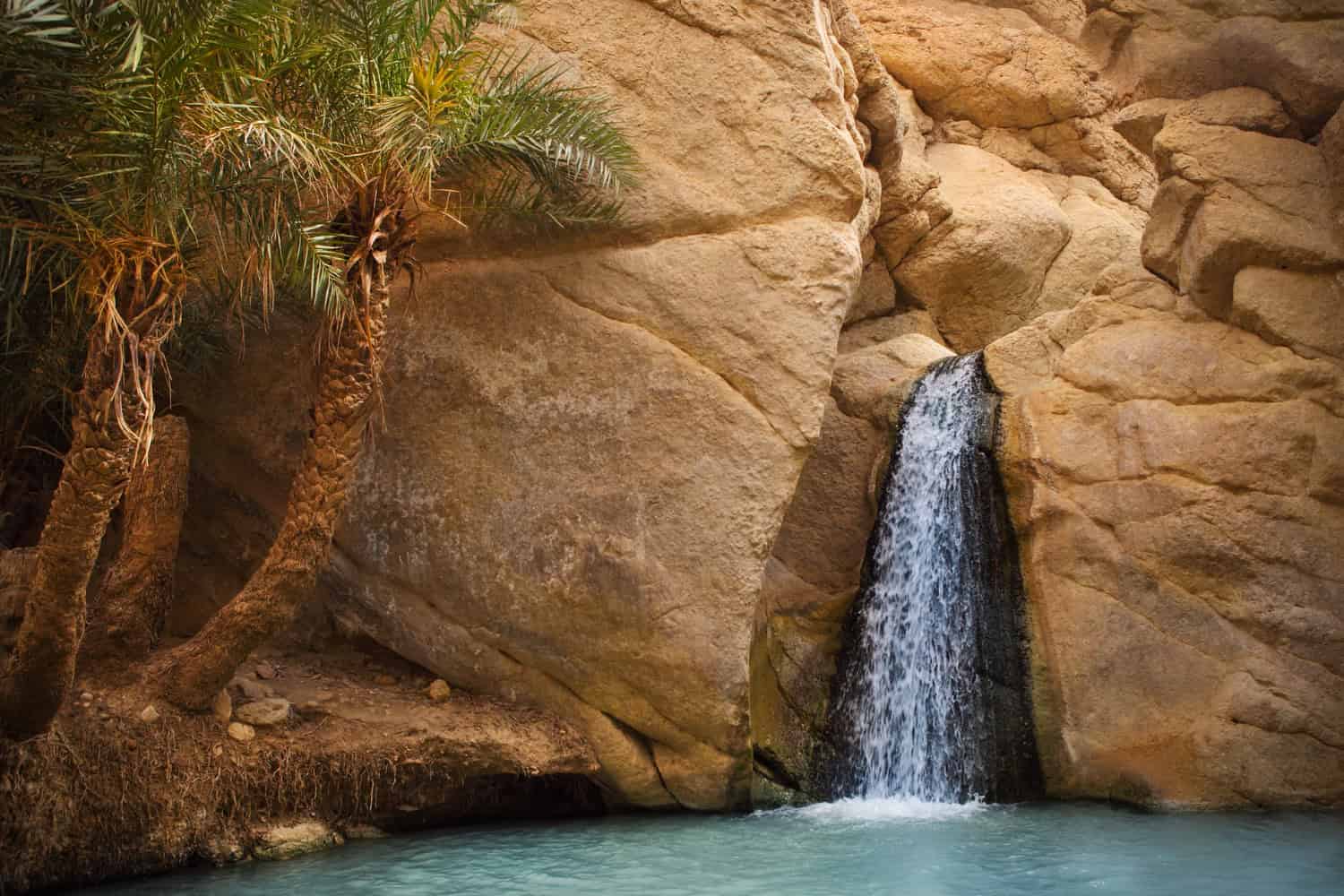
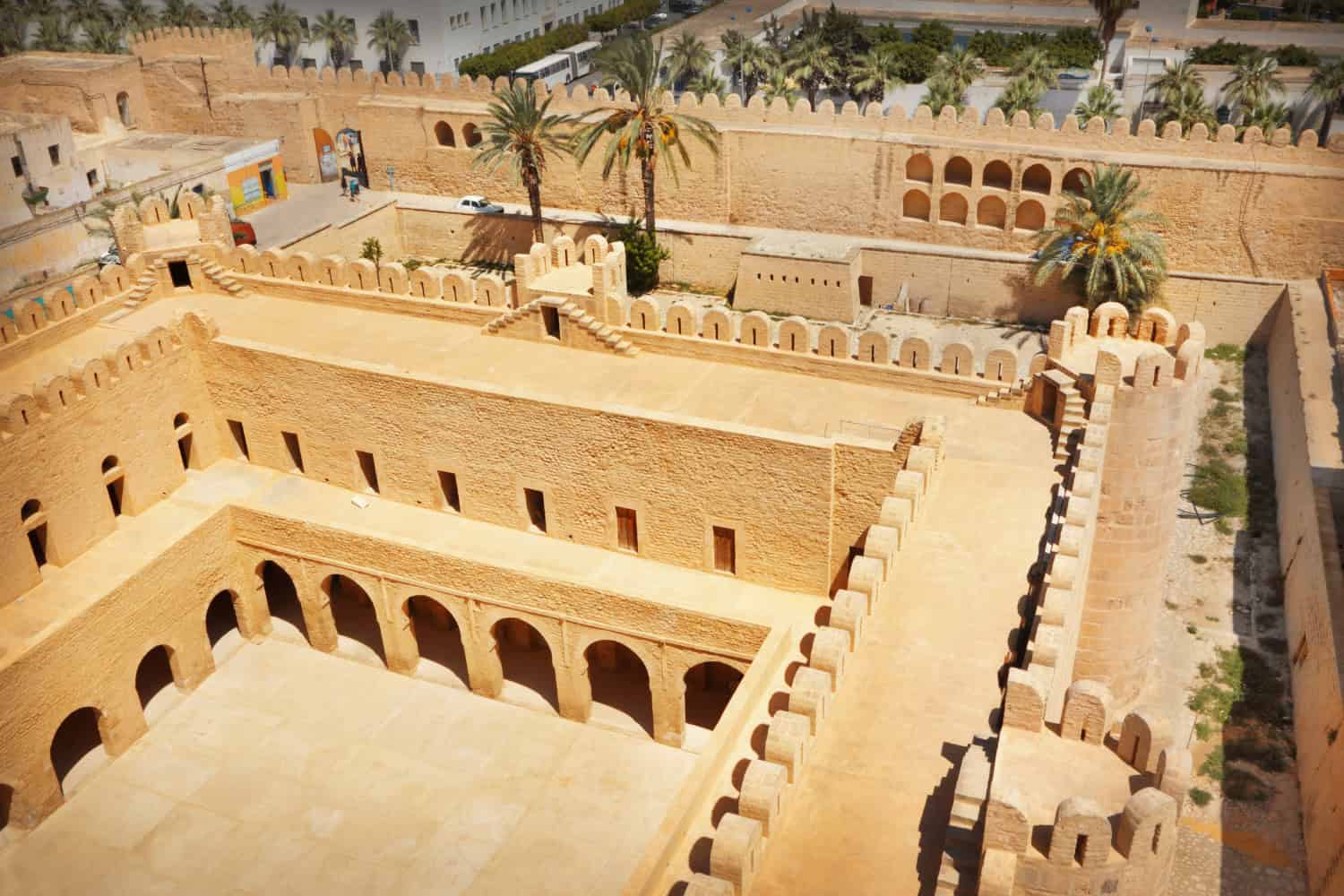
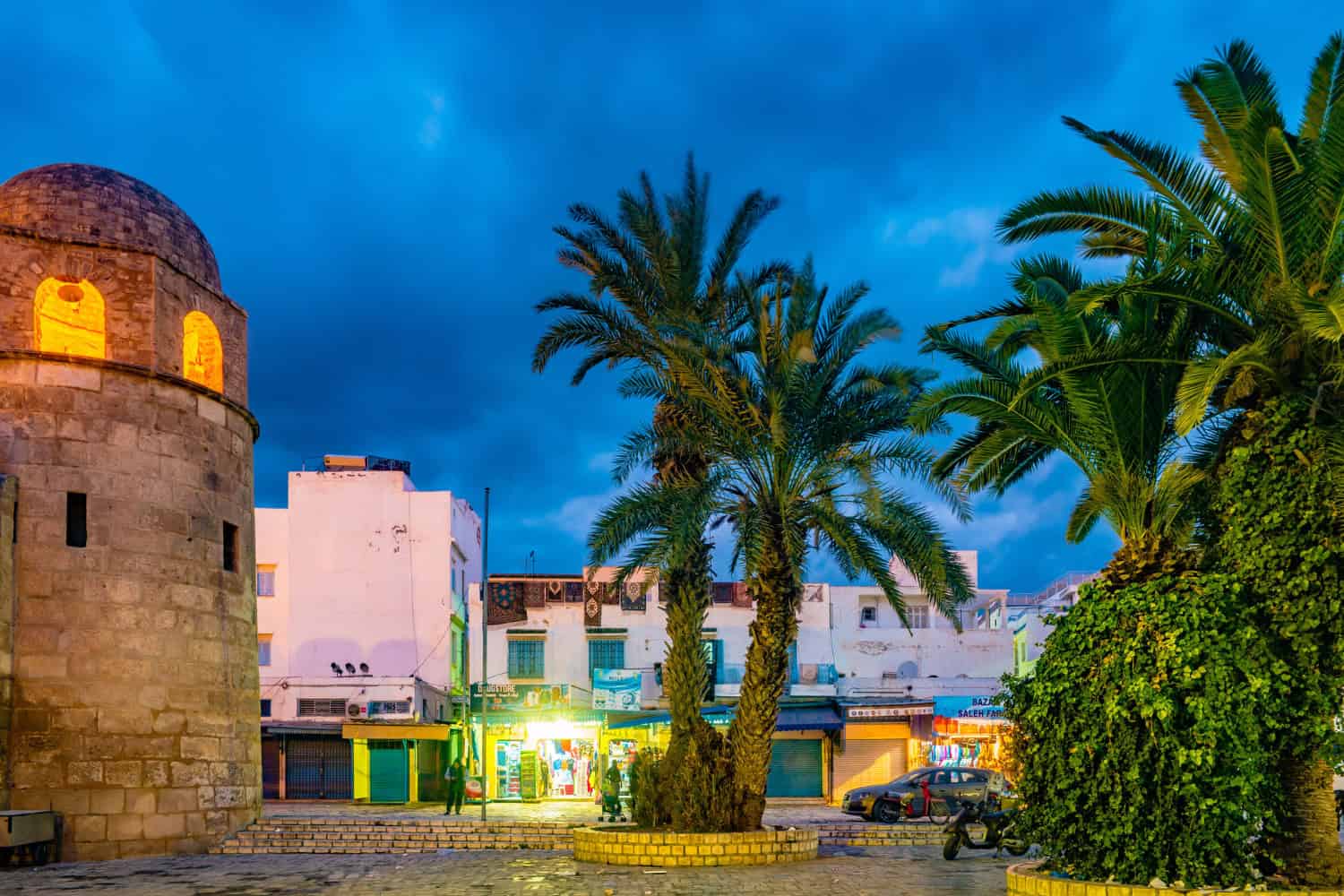
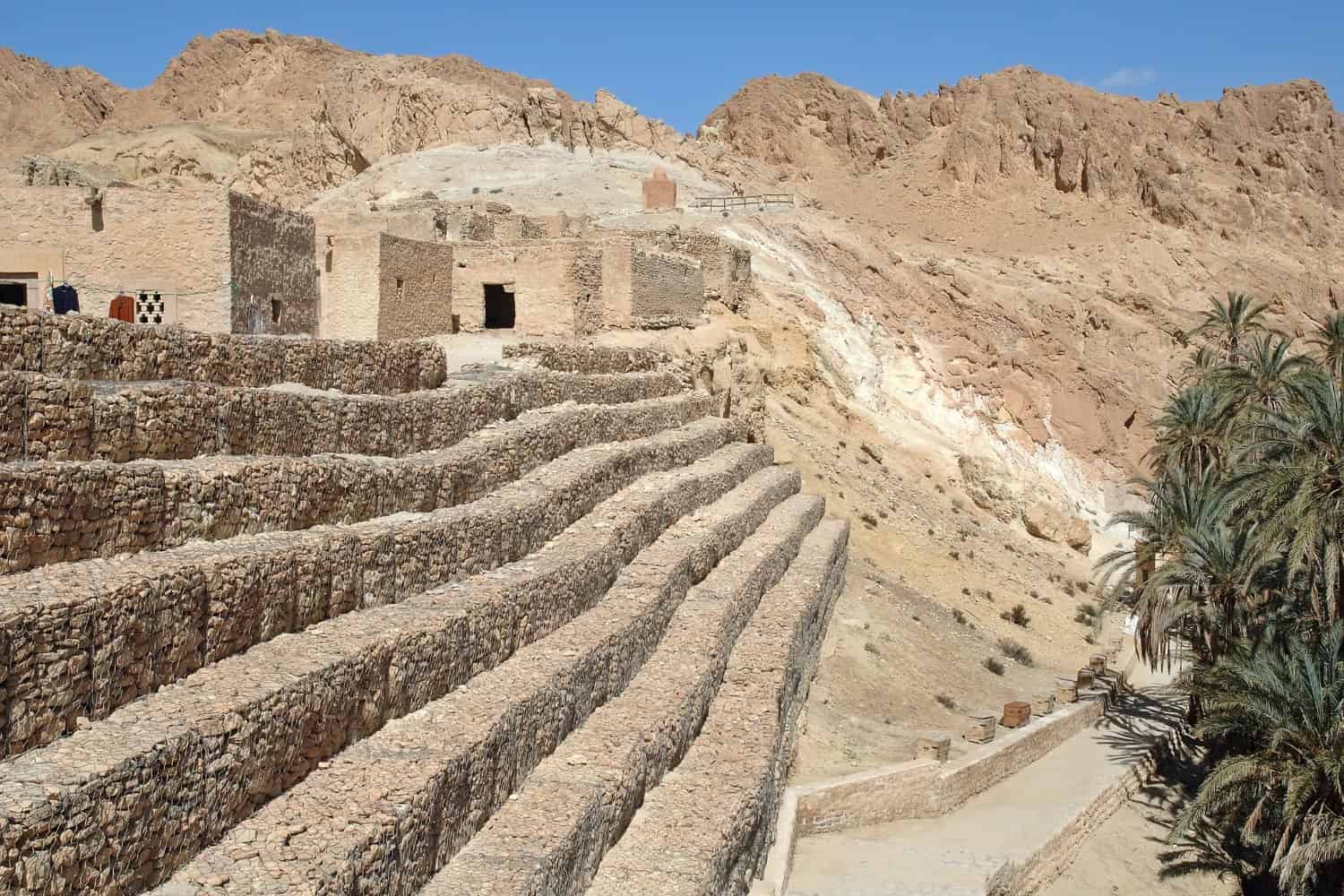
Embark on a 10-day journey through Tunisia’s landscapes and ancient marvels. Explore coastal charm, archaeological treasures, and ancient sites. Experience spiritual ambiance and uncover hidden gems in oasis villages. Witness surreal beauty and explore traditional Berber villages. With each day full of adventures, this tour promises an unforgettable exploration of Tunisia’s heritage and natural wonders.
-
Tunis
-
Tunis
-
3-star and 4-star hotels
-
Included
-
microbus
-
Included
-
Tunis, Hammamet, Cap Bon, Nabeul, Grombalia, Bardo Museum, Carthage, Sidi Bou Said, Testour, Dougga, Kairouan, Sbeitla, Gafsa, Tozeur, Chebika, Tamerza, Nefta, Chott El Jerid, Douz, Matmata, Gabes, Sfax, El Jem, Mahdia, Monastir, Sousse, Tunis.
10-day Tour in Tunisia
Begin your Tunisian adventure with a warm welcome in Tunis, followed by a seamless transfer to your hotel in the Hammamet area.
Explore the captivating sights of Hammamet, Cap Bon, Nabeul, Dar Chaabane, Kerkouane, and Grombalia before indulging in a delightful dinner.
Immerse yourself in Tunisian history with visits to Tunis, the renowned Bardo Museum, Carthage, and the picturesque Sidi Bou Said. Return to Hammamet for a relaxing dinner.
Depart Hammamet to uncover the cultural gems of Testour, Dougga, Thuburbo Majus, and Kairouan. Enjoy dinner amidst historical wonders.
Delve deeper into Tunisia’s heritage with exploration in Kairouan before continuing your journey to Sbeitla for dinner.
Travel from Sbeitla to Gafsa and onwards to Tozeur, indulging in a delicious dinner along the way.
Discover the enchanting landscapes of Tozeur, Chebika, Tamerza, Mides, Nefta, and Ong El Jemal, followed by a satisfying dinner.
Traverse through the breathtaking Chott El Jerid, Kebili, Douz, Tamezret, Matmata, Gabes, to Sfax, relishing dinner en route.
Explore the historical sites of Sfax, El Jem, Mahdia, Monastir, and Sousse, with a delightful dinner included.
Conclude your unforgettable journey with a transfer from Sousse to Tunis airport, marking the end of our exceptional services.