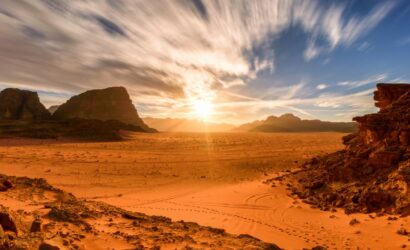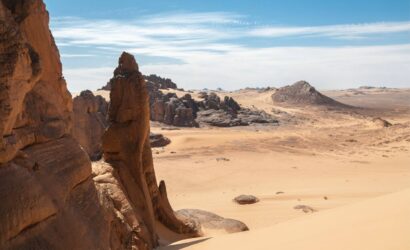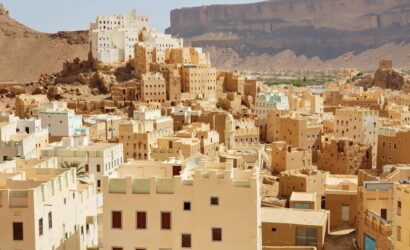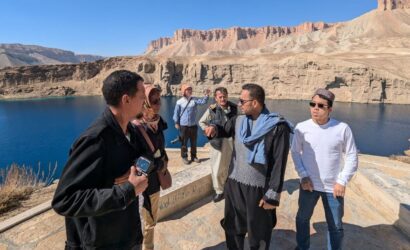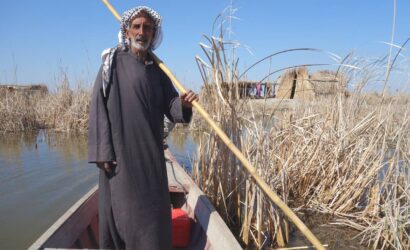
You’ve been thinking about Afghanistan for a while. The turquoise lakes, the empty Buddha niches, the Blue Mosque at sunset. You know it’s possible — you just need someone who’s done it before. We’ve taken 300+ travelers through Afghanistan since 2021 with zero safety incidents. This 10-day group tour follows our most popular itinerary — the route that has outsold every other option we offer. Kabul, Herat, Ghazni, the Bamiyan Valley, Band-e Amir National Park, and Mazar-i-Sharif. Five regions, ten days, one guide who knows every checkpoint, every chai house, and every family along the road. $2,500 per person, everything included. E-visa LOI provided — apply from home, fly to Kabul directly.
Itinerary:
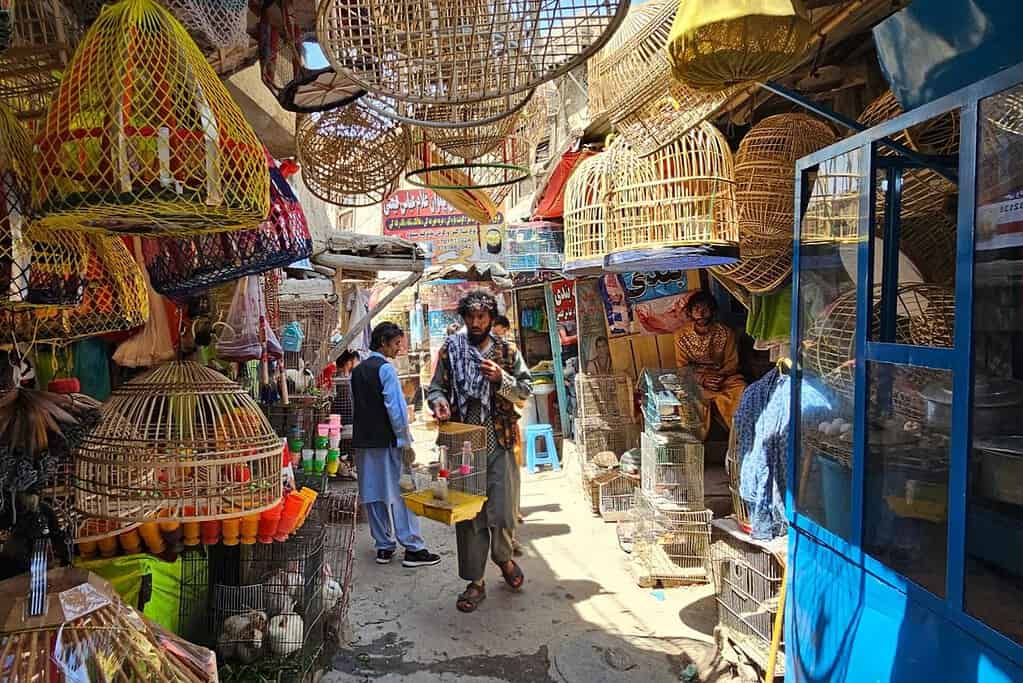
- Day 1 » Kabul Morning Arrival » Airport Meet & Greet » Hotel transfer » Kabul visit (Sakhi Shrine, Shah Do Shamshira Mosque, Bird market, Timur Shah Durrani Mausoleum)
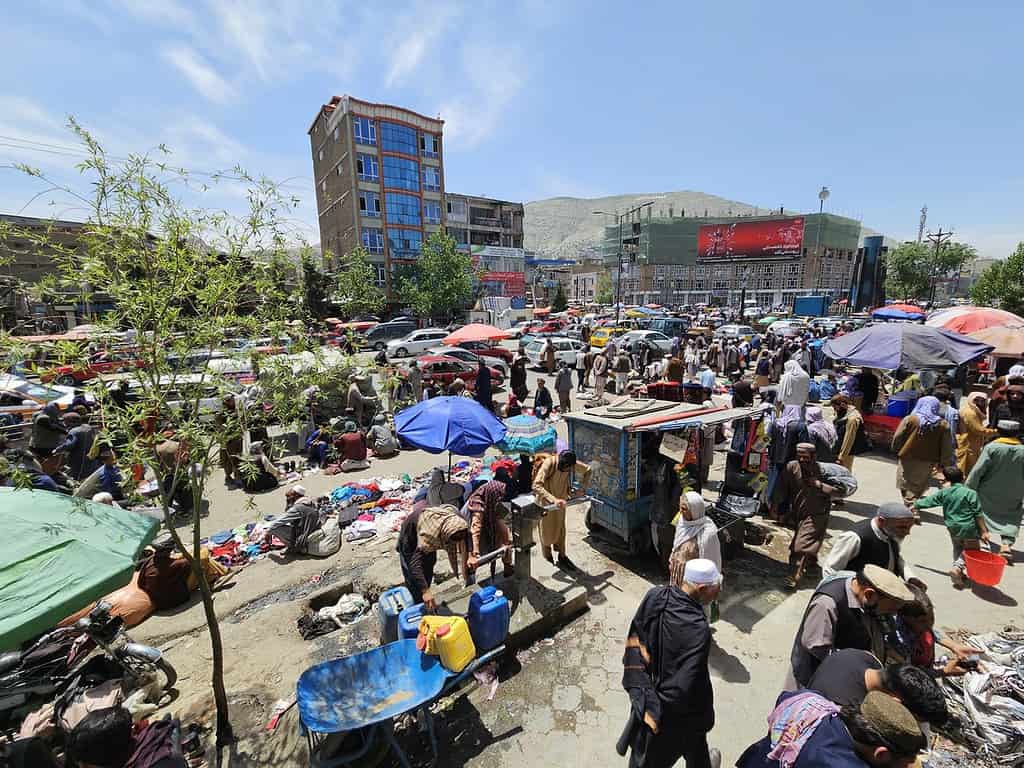
- Day 2 » Kabul Airport transfer » Herat flight » Herat (Malan Bridge, Citadel, National Museum, Friday Mosque, Market)
- Day 3 » Herat (Tomb of Khwaja Abdullah Ansari and Mirwais Sadiq Khan) » Airport transfer » Kabul flight » Kabul (Wazir Akbar Khan Hill)
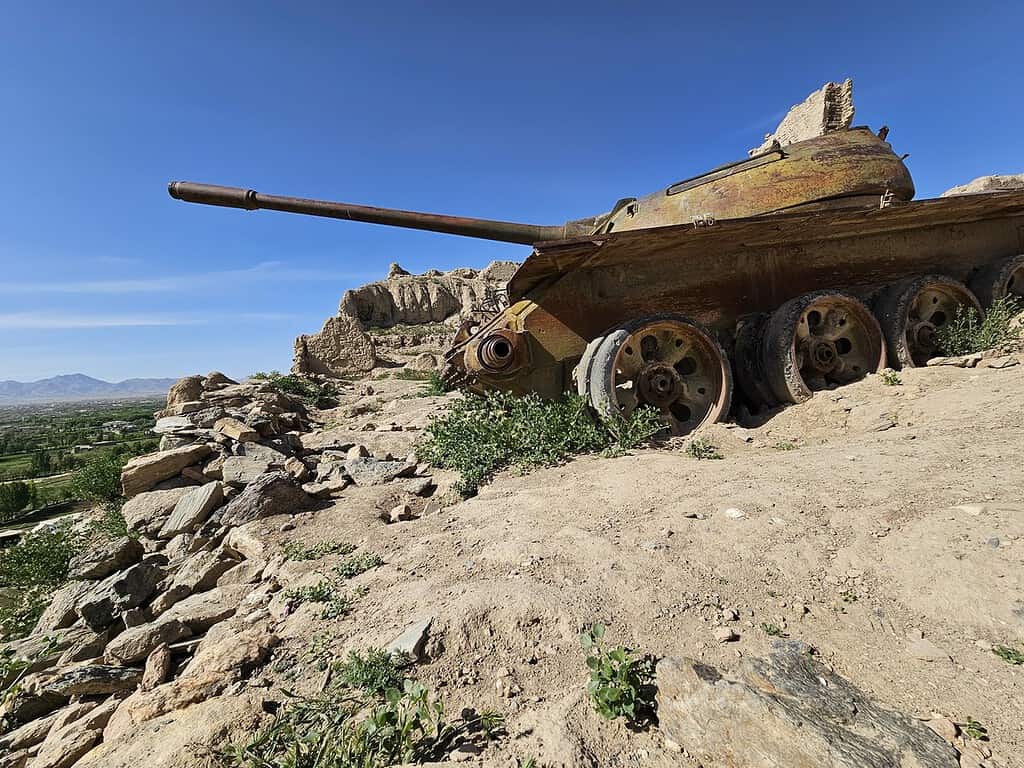
- Day 4 » Kabul » Ghazni (Minarets, Citadel, Military Open Air Museum) » Bamiyan
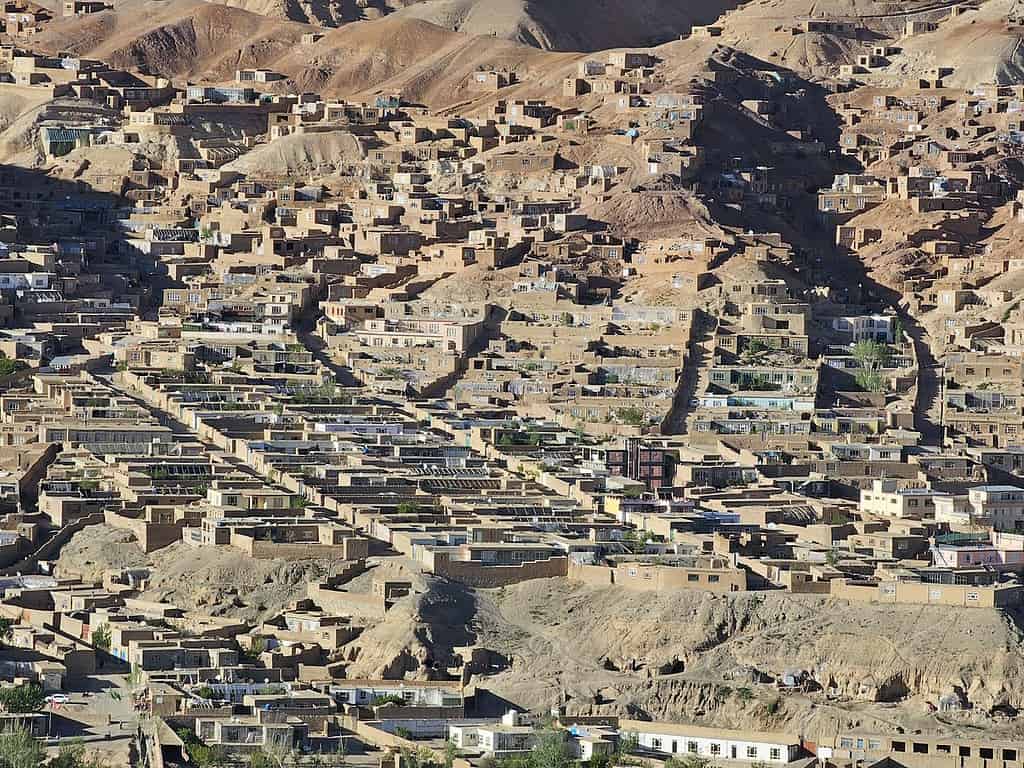
- Day 5 » Bamiyan (Zuhak Ancient City, Gholghola Ancient City, Kakrak Valley, Ancient Buddhas, Cave Houses Tea with Family)
- Day 6 » Bamiyan » Band-e Amir National Park 4WD day trip » Bamiyan (market)
- Day 7 » 04:00 » Bamiyan » Takht-i Rustam (Buddhist Stupa, Cave Bazaar) » Mazar-e-Sharif
- Day 8 » Mazar-e-Sharif » Balkh (Khoja Parsa Mausoleum, Bala Hisar, No Gombad Mosque) » Mazar-e-Sharif (Blue Mosque, Baba Mazari Mausoleum, Bazaar)
- Day 9 » Mazar-e-Sharif » Kholm (Bagh e Jahan Nama Palace) » Kabul
- Day 10 » Kabul (Shewaki Buddhist Stupa, Gardens of Babur, Id Gah Mosque) » Airport Transfer » Kabul Afternoon Departure
Don’t take our word for it —
✨ Tour Special Features ✨
🔹 Small Group, Big Access
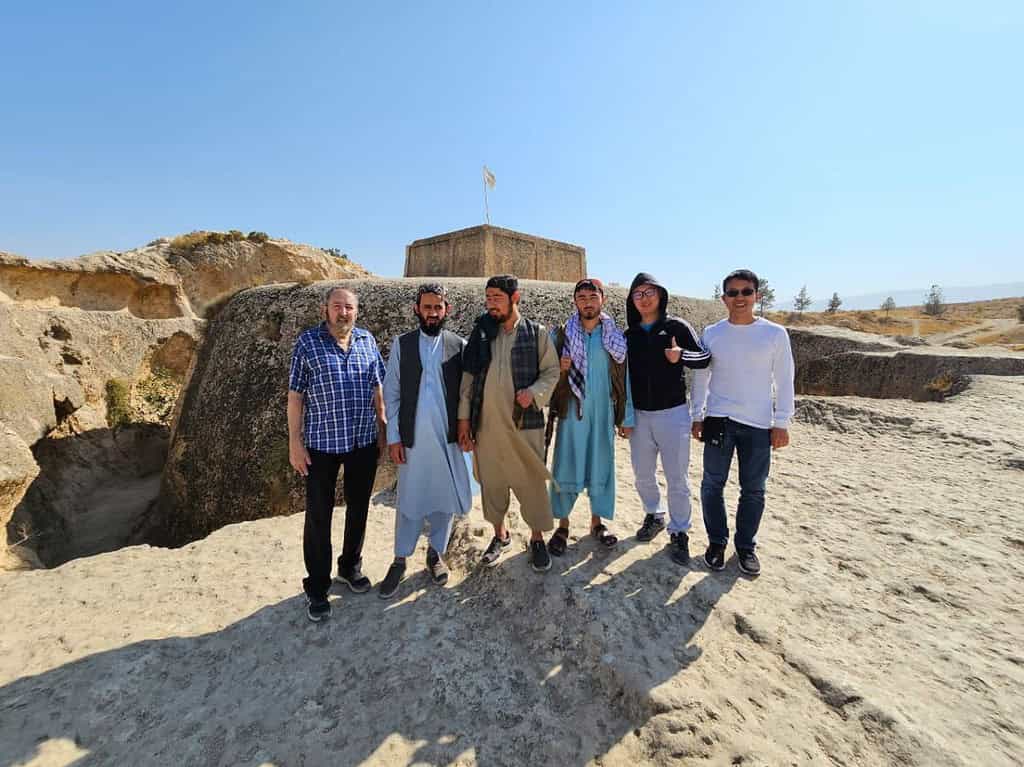
Maximum 12 travelers. Small enough for authentic experiences — tea in a Hazara family’s cave house, not a bus tour through a parking lot.
📅 Guaranteed Monthly Departures
Fixed dates every month, January to December. Your trip runs even if only one person books. You will never be told “not enough people.”
✅ $2,500 All-Inclusive
Hotels, transport, guide, domestic flights, entrance tickets, government permits, breakfasts, lunches, and drinks. No surprise costs on the ground.
🛂 E-Visa with LOI Included
We provide your Letter of Invitation. You apply for the e-visa online from home. No embassy visit, no Dubai stopover. Fly to Kabul directly from wherever you are.
🏨 Best Available Hotels
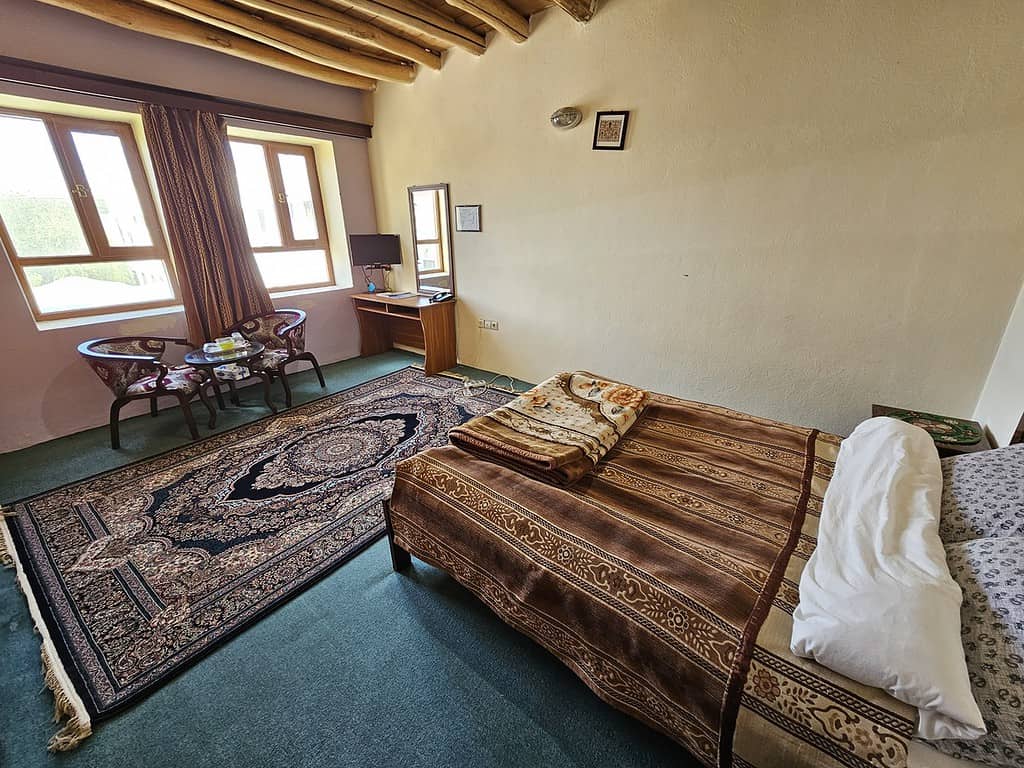
Khyber Hotel (Kabul), Sadaf Hotel (Herat), Bamyan Royal Hotel (Bamiyan), Arsalan Guest House (Mazar-i-Sharif) — or similar. Private bathrooms and breakfast always included.
🚙 4WD to Band-e Amir
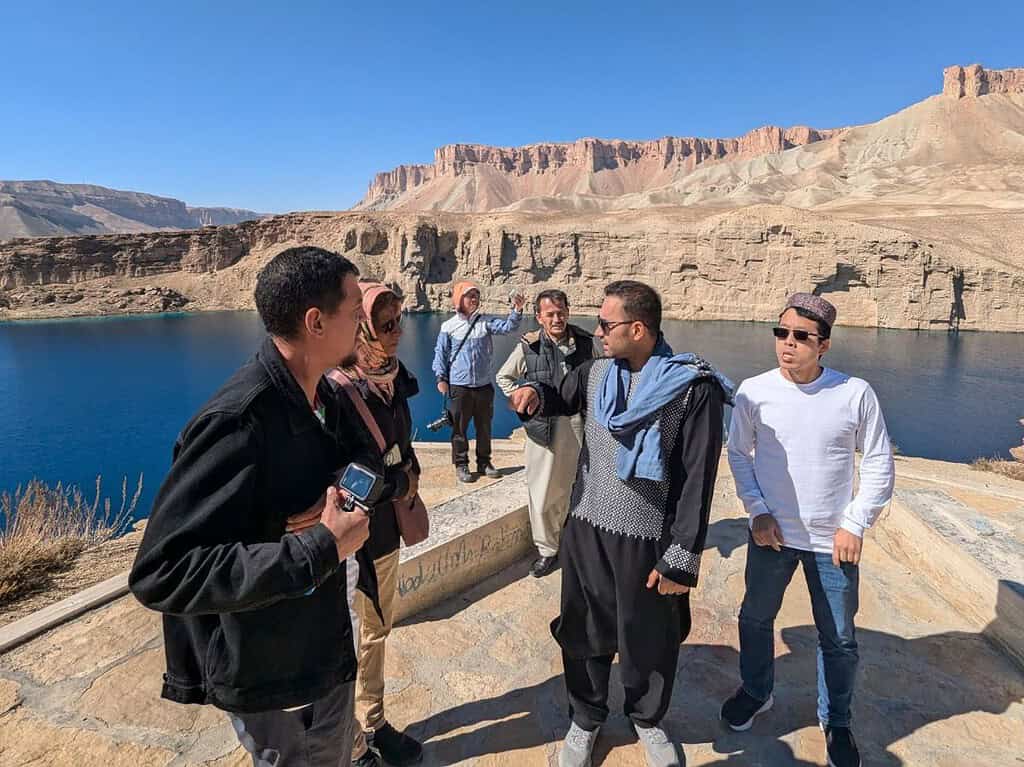
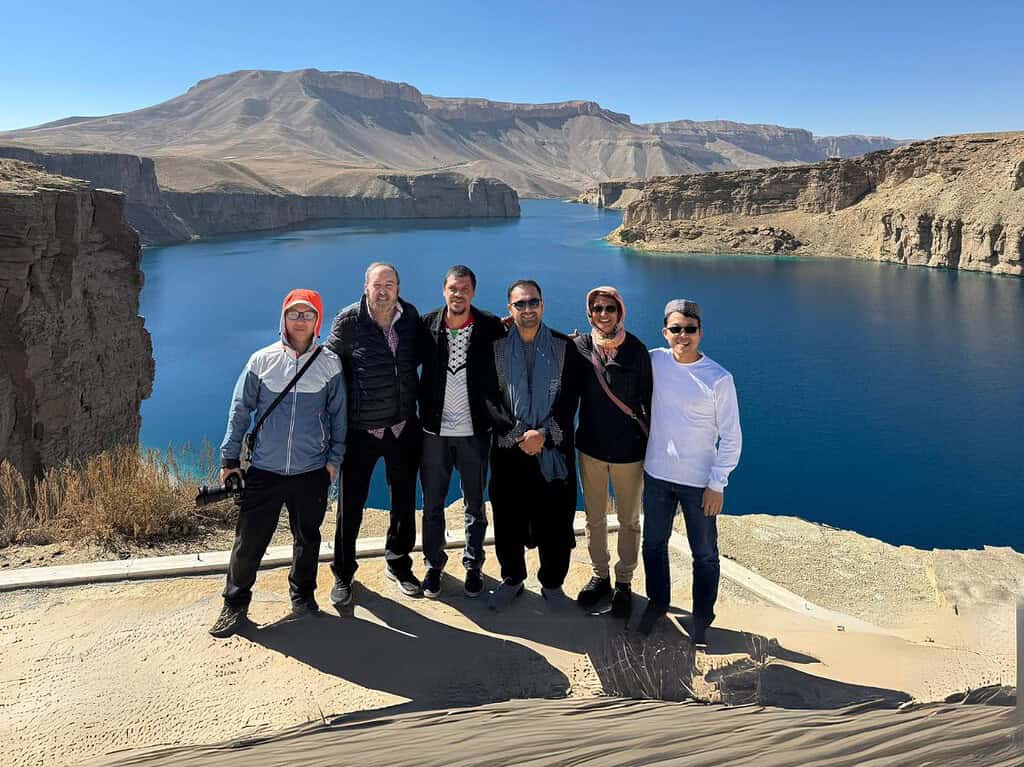
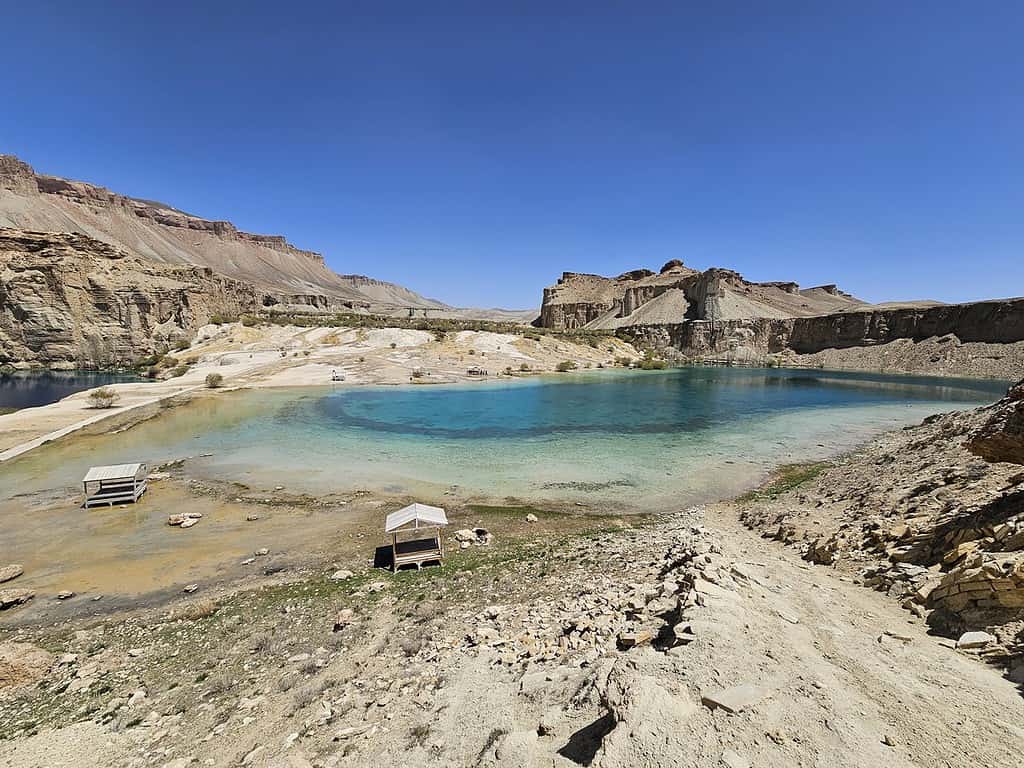
Full-day off-road expedition to Afghanistan’s first national park — six turquoise lakes at 3,000 meters altitude that will make you question everything you thought you knew about this country.
This tour covers five of Afghanistan’s essential regions in ten days. You’ll fly to Herat to walk through a 2,000-year-old citadel. Drive through the Hindu Kush via the Hajigak Pass — one of the most spectacular mountain roads in Central Asia. Stand inside the empty Buddha niches of Bamiyan. Spend a full day at Band-e Amir, where the water is so blue it doesn’t look real. End in Mazar-i-Sharif at the magnificent Blue Mosque and the ancient ruins of Balkh — the “Mother of Cities,” older than Alexander the Great. Every day is led by our English-speaking Afghan guide who knows these regions intimately, not from a textbook but from a lifetime of living here.
What Makes This Tour Different
✅ Our #1 Bestselling Itinerary — This 10-day route (Kabul–Herat–Ghazni–Bamiyan–Mazar) has outsold every other Afghanistan tour we offer. It’s the one travelers recommend to their friends.
✅ The Cheapest 10-Day Tour on the Market — At $2,500 all-inclusive, we’re 10–50% less than every comparable operator. The average Afghanistan group tour costs $3,000–$4,500 for the same duration.
✅ E-Visa LOI Included — No Dubai detour, no Pakistan visa run. We send you the Letter of Invitation, you apply online, you fly to Kabul. The easiest visa process of any Afghanistan operator.
✅ Guaranteed Departures — Monthly. Even if one person books, the trip runs. You will never receive a cancellation email.
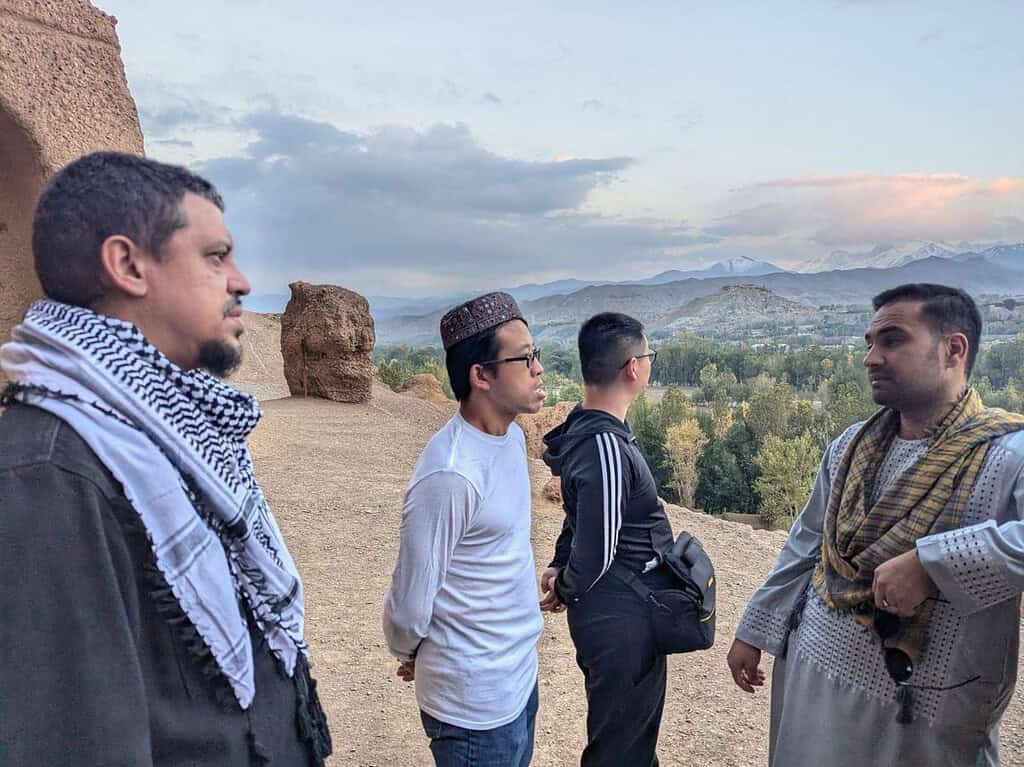
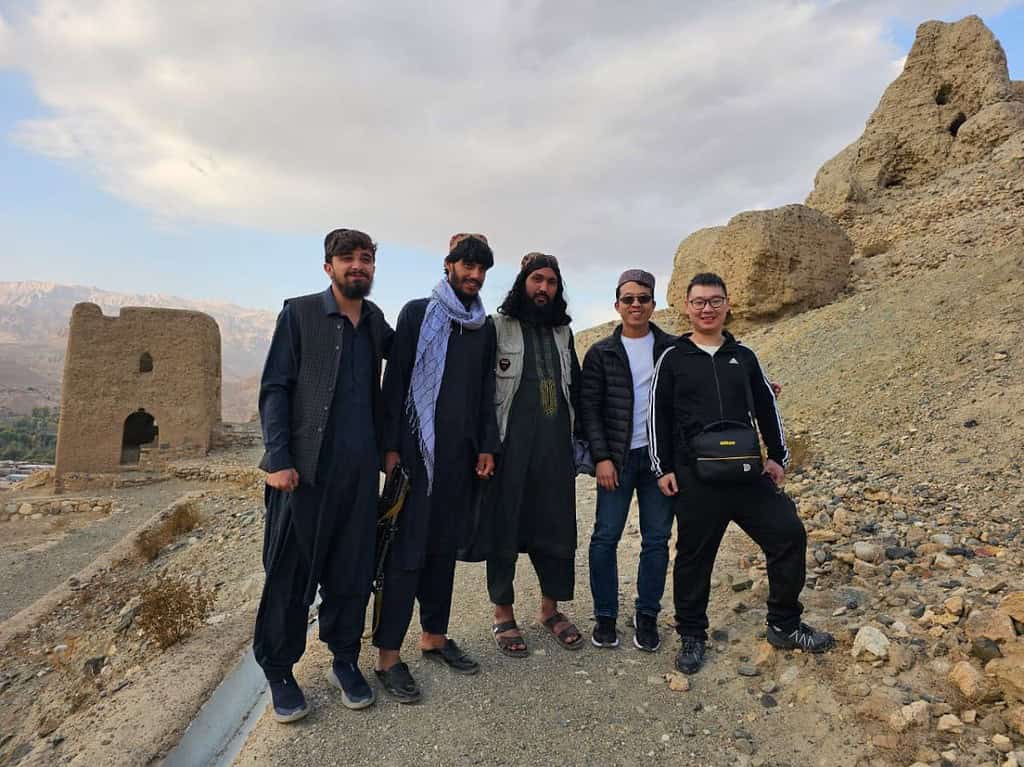
✅ Led by Guides Who Live Here — Our guides Hussain, Hassan, and Khalil were born in Afghanistan, speak the language, and have personal relationships in every community on this route. They are not Western tour leaders reading from a script.
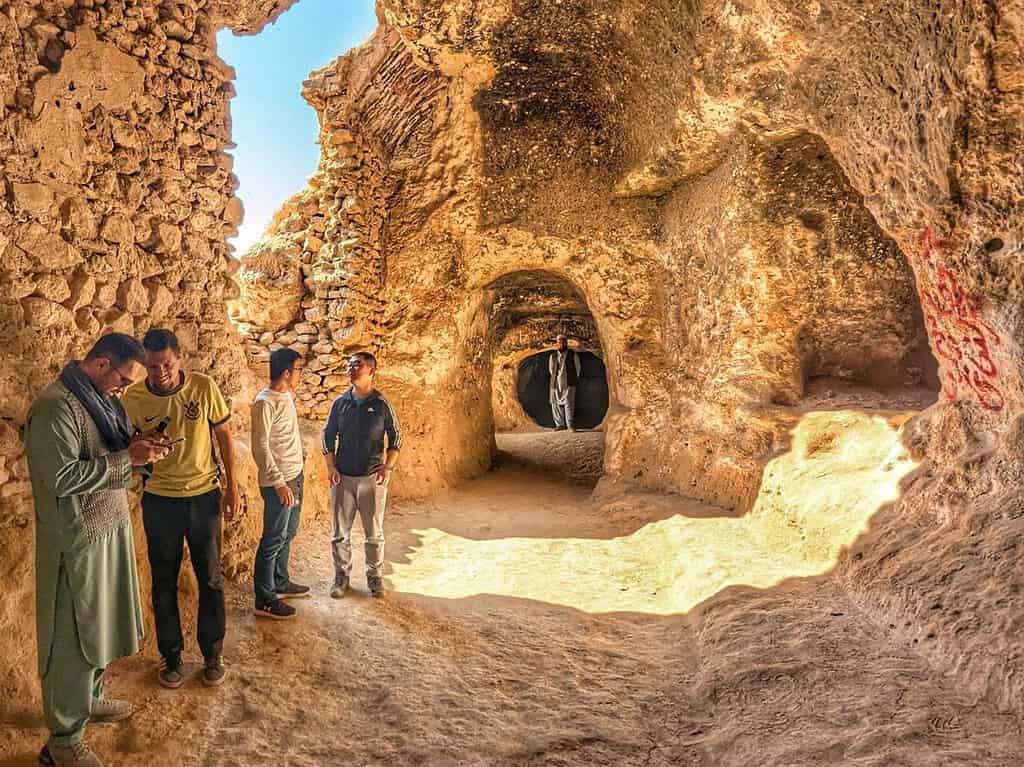
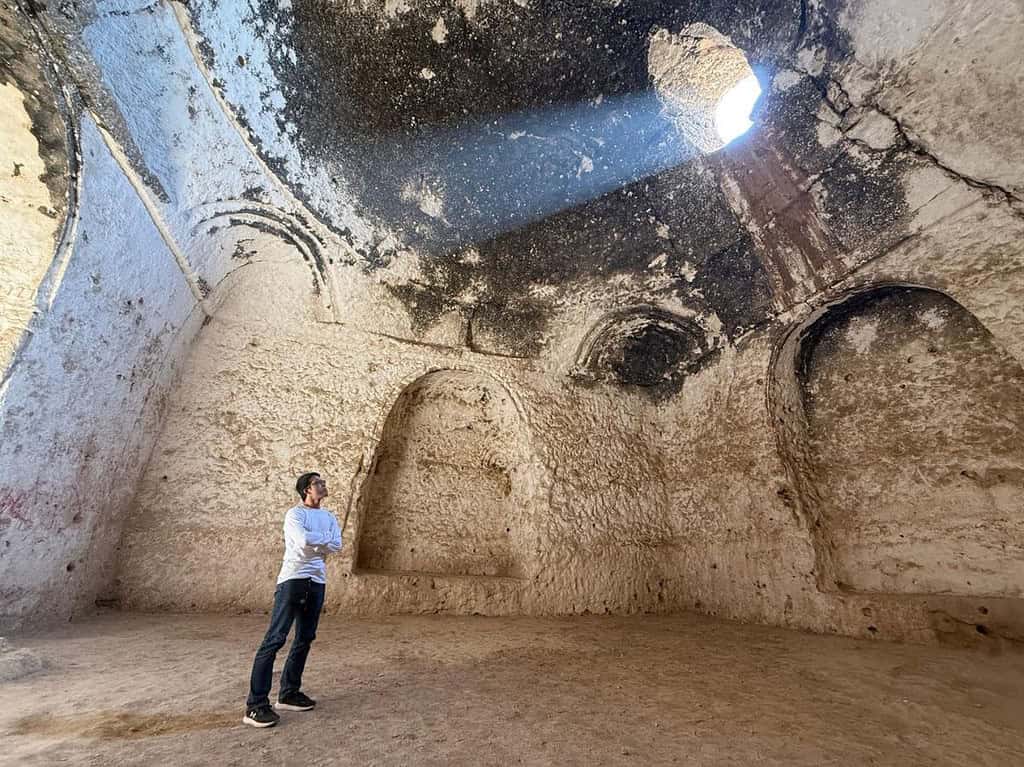
✅ Tea in a Cave House — In the Bamiyan Valley, we visit Hazara families living in cliff-carved dwellings that have been homes for centuries. You sit on carpets, drink green tea, and have a conversation no guidebook can give you.
✅ 4WD Expedition to Band-e Amir — A full day at six turquoise lakes surrounded by desert cliffs at 3,000 meters. Afghanistan’s most photographed place, and the moment every traveler says: “I had no idea.”
✅ Two Domestic Flights Included — Kabul–Herat round trip is included in the price. No hidden flight costs.
✅ 300+ Travelers, Zero Safety Incidents — We operate in stable tourism corridors with full government permits.
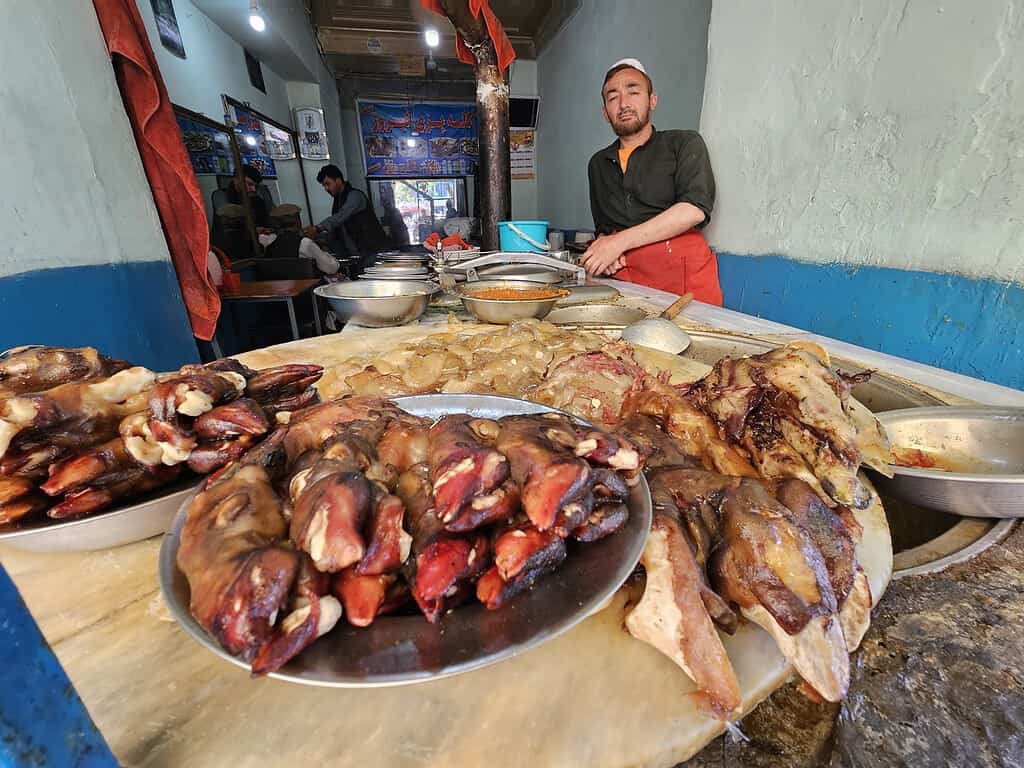
✅ All Meals Except Dinners — Breakfasts, lunches, and drinks are included. Dinners are on you — budget $2–5 at local restaurants.
A Word from RJ Travel
Our founder João Leitão first traveled through Afghanistan solo in 2012, long before tourism here became possible for most people. He returned after 2021 to build our operations on the ground and continues to visit the country regularly. With 20+ years of experience across 145+ countries and 10,000+ travelers served across all destinations, this is not a side project — it is what we do. Afghanistan carries higher risk than mainstream destinations. We are completely transparent about that. But we have built our operations on deep local relationships, proper government permits, and a track record of 300+ Afghanistan travelers with zero safety incidents. Our guides are not hired contractors — they are our permanent team, trusted across every region we operate in. Join a small group of like-minded travelers on a journey through one of the most extraordinary countries on Earth. You will walk through places most people only see on the news, sit in family homes where tea is poured by people who are genuinely happy you came, and come home with a story that nobody in your life has ever heard.
Trip Info
-
Kabul
-
Kabul
-
Included
-
Local hotels with AC and private bathroom
-
Breakfast, lunches and drinks
-
Included
-
Sedan, Van, 4WD, Airplane
-
Kabul, Herat, Ghazni, Bamiyan, Band-e Amir, Mazar-e-Sharif, Kholm, Samangan
10-day Afghanistan Itinerary
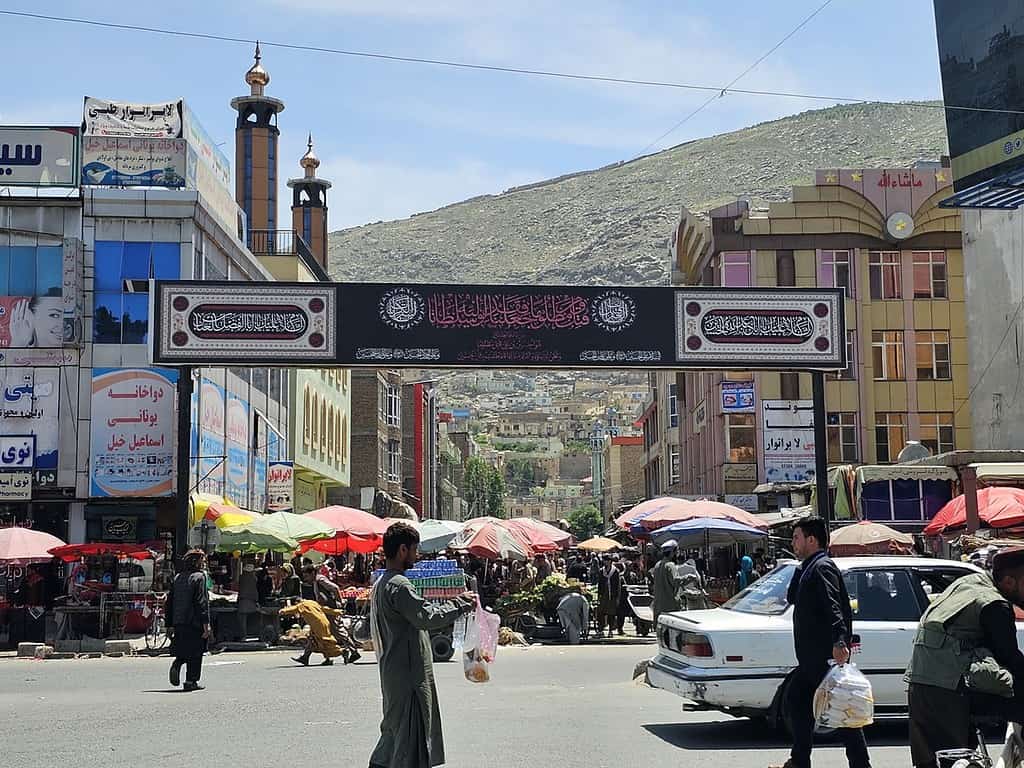
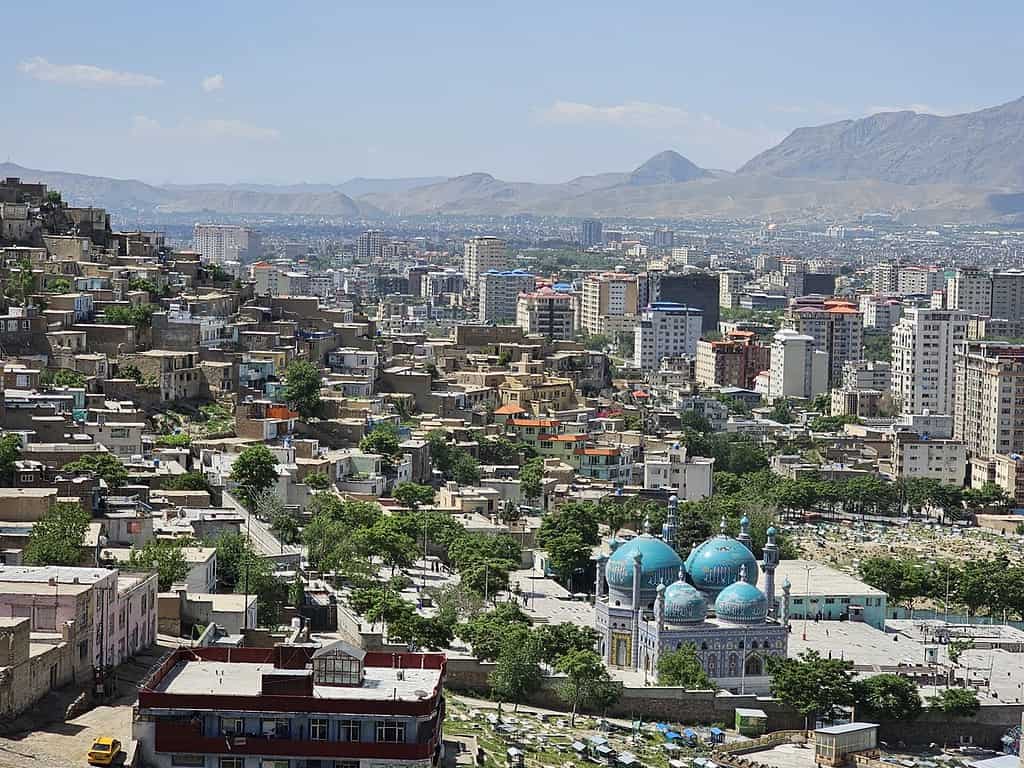
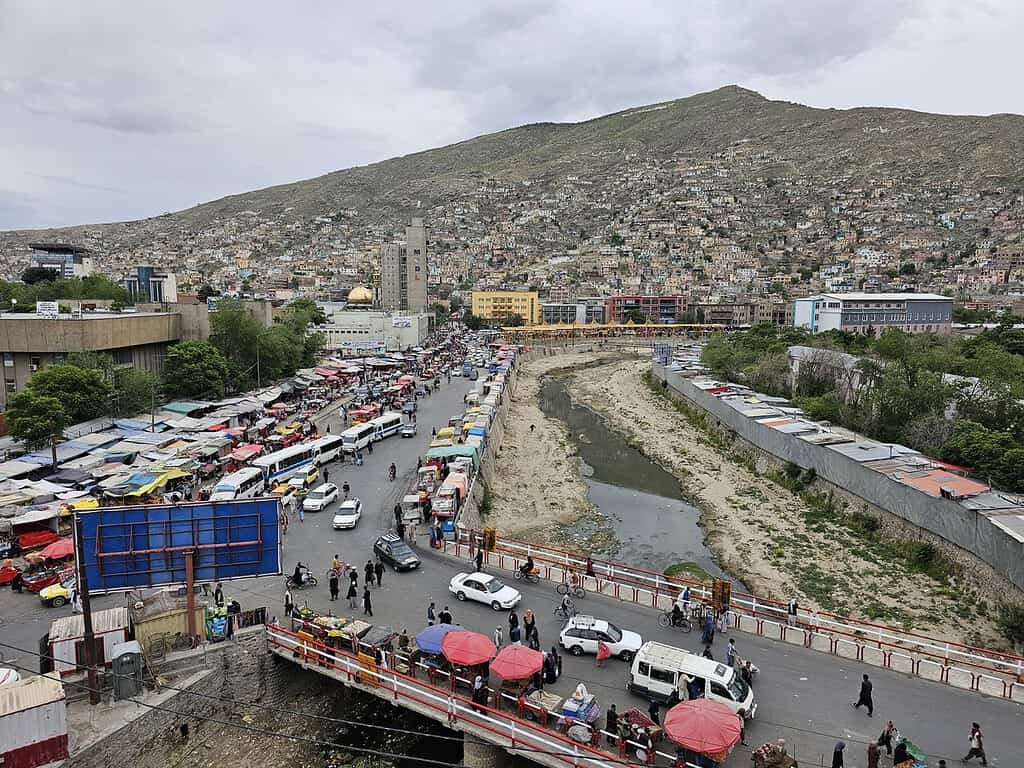
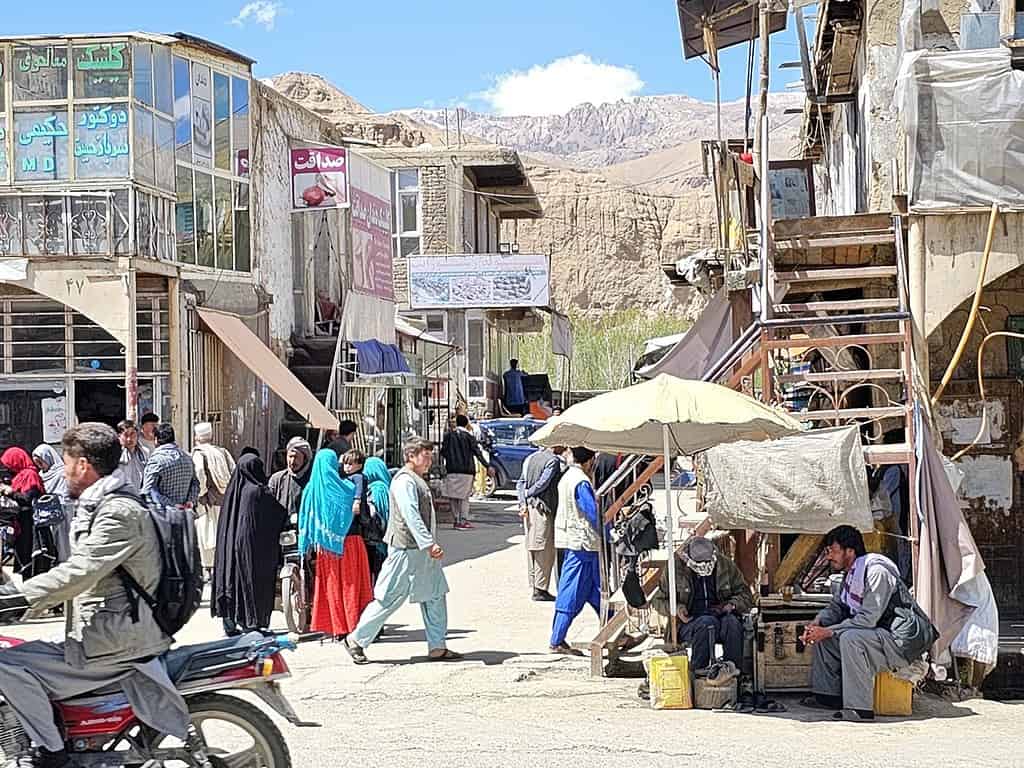
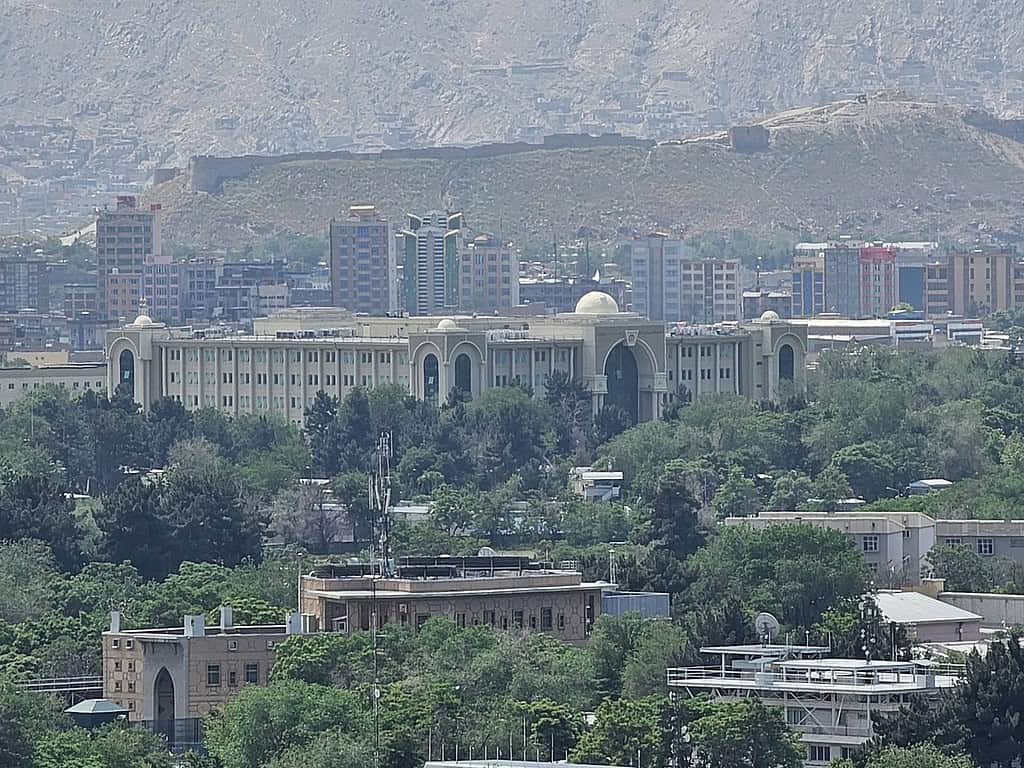
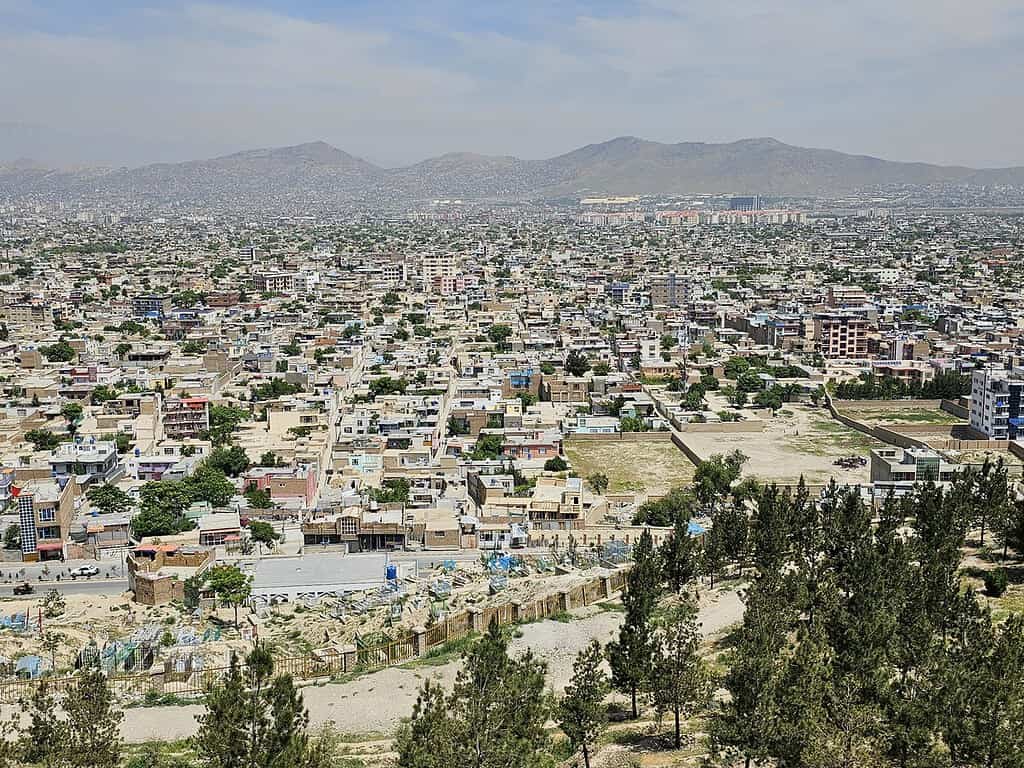
Fly into Kabul and step onto Afghan soil for the first time. Your guide Hussain meets you at Hamid Karzai International Airport with a warm handshake and drives you through the bustling streets of the capital to your hotel. Kabul hits you immediately — a city of five million people crammed into a valley ringed by mountains, where traffic, commerce, and daily life unfold at a pace that feels both ancient and urgent.
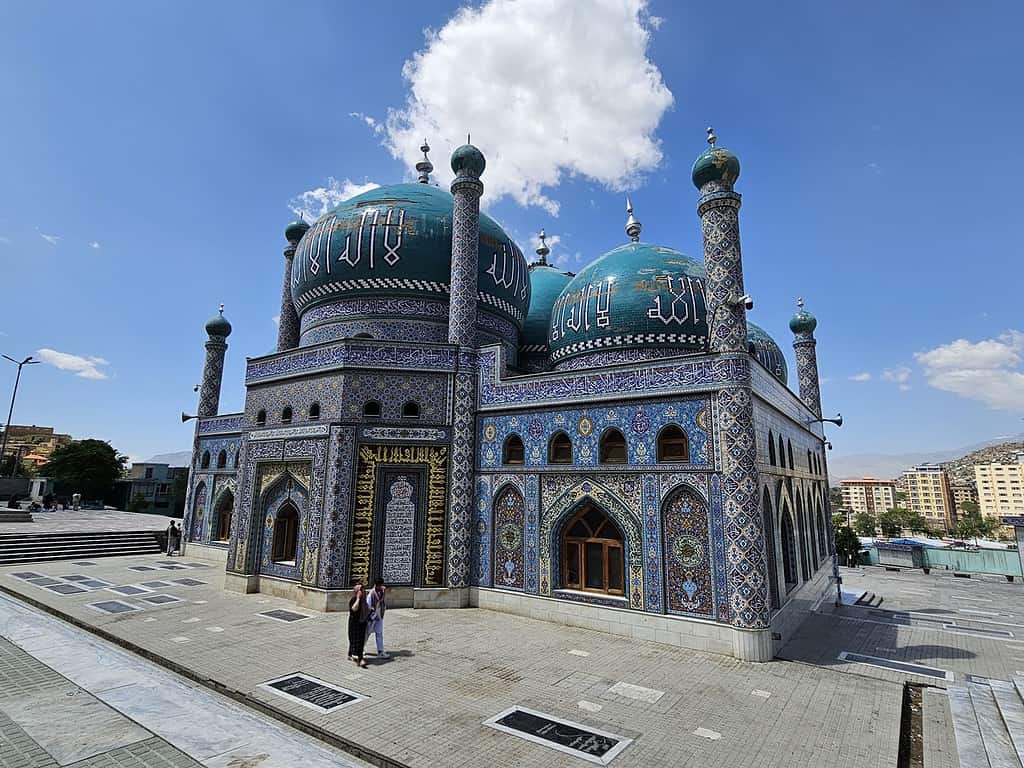
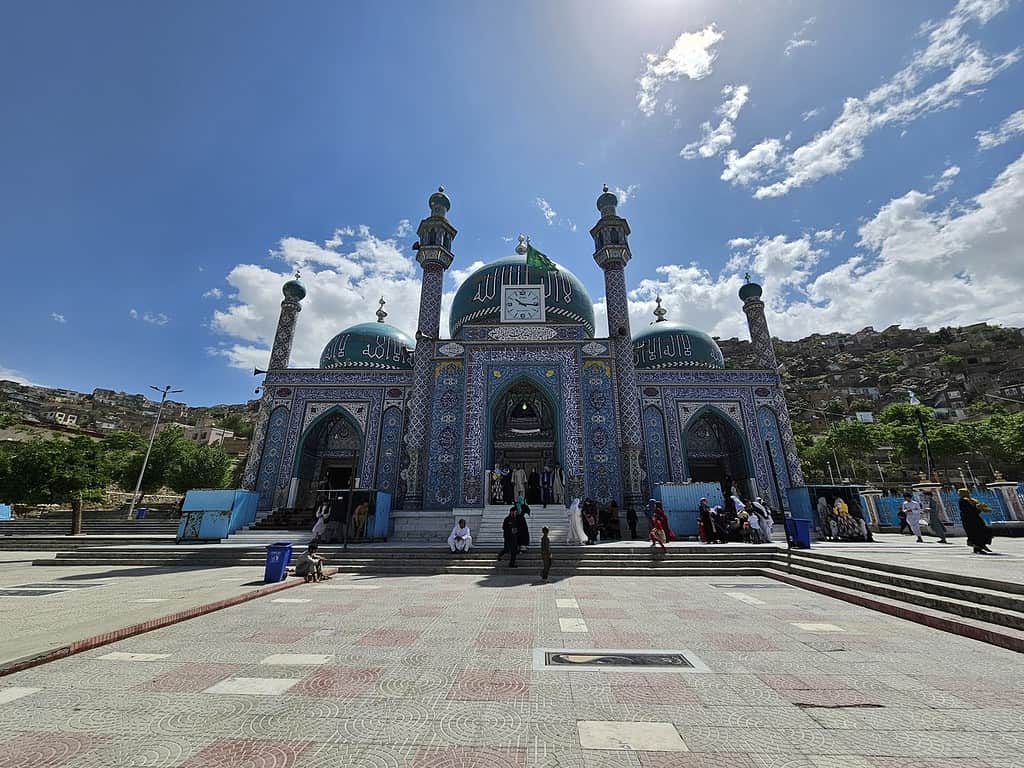
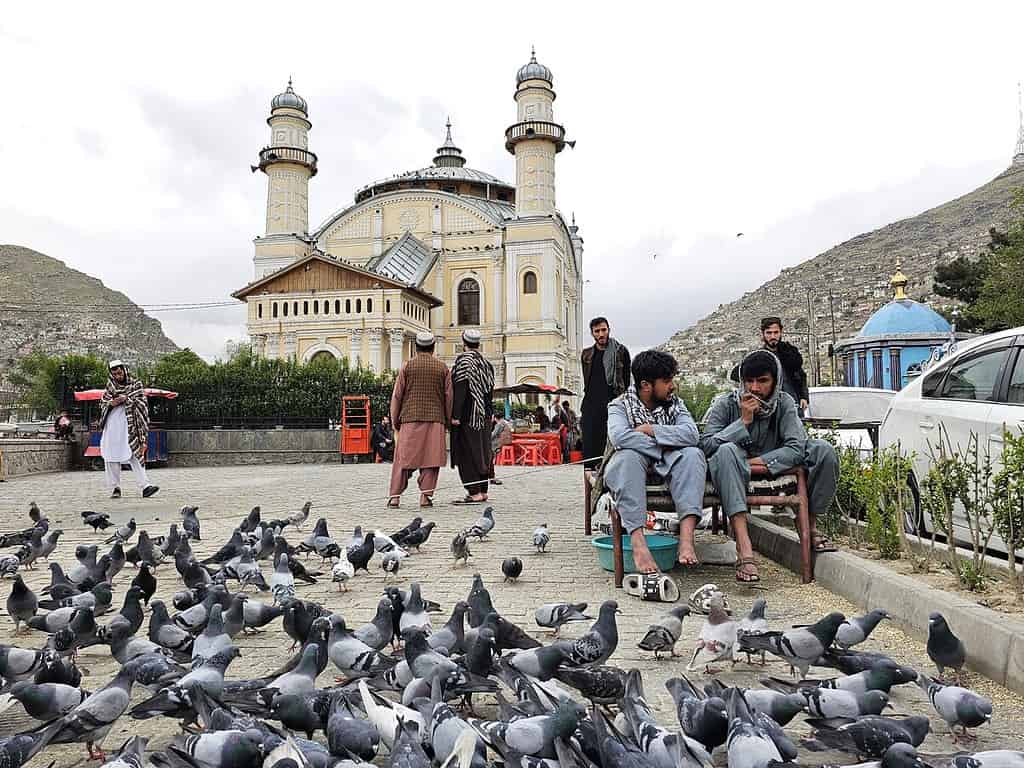
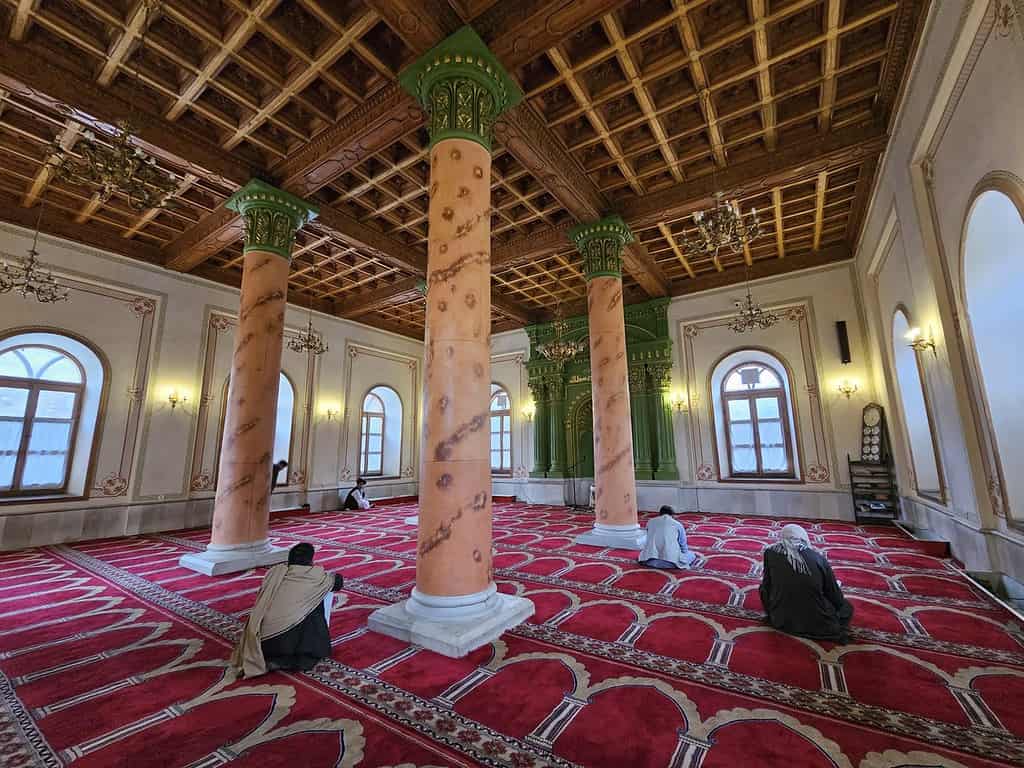
After settling in, your first stop is the Sakhi Shrine, one of Kabul's most beautiful and peaceful places — a turquoise-domed mosque and pilgrimage site dedicated to Ali ibn Abi Talib. Locals come here to pray, tie ribbons to the gates, and seek blessings. From there, walk to Shah Do Shamshira Mosque, an unusual yellow two-story mosque that looks more like a European palace than a traditional Afghan house of worship — it sits right above the Kabul River and is one of the most photographed buildings in the city.
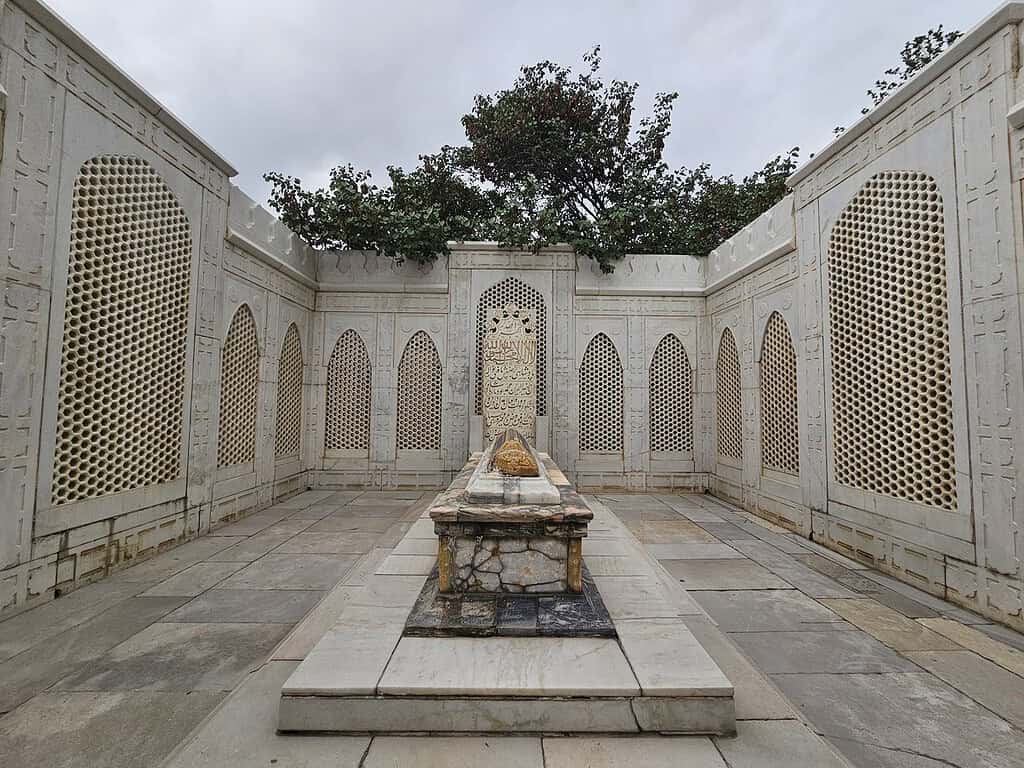
End the afternoon at the legendary Bird Market at Ka Faroshi — a narrow alley in the old city packed with hundreds of caged songbirds, fighting partridges, pigeons, and parakeets. Afghan men have traded birds here for centuries; it is one of the last living pieces of old Kabul that survived decades of war. Nearby, visit the Mausoleum of Timur Shah Durrani, the 18th-century king who moved Afghanistan's capital from Kandahar to Kabul in 1776 — the octagonal tomb sits quietly in the middle of a traffic roundabout, a forgotten monument to the man who made Kabul what it is today. Welcome dinner at a local restaurant. Overnight at Khyber Hotel, Kabul.
Early morning transfer to Kabul Airport for your domestic flight west to Herat — a city that has more in common with Iran and Central Asia than with the rest of Afghanistan. Herat was once the jewel of the Timurid Empire, a center of art, poetry, calligraphy, and miniature painting that rivaled Florence during the Renaissance. When you land, the difference is immediate — the architecture is Persian, the language has a softer accent, and the streets feel older, more refined.
Your first stop is the Malan Bridge, an ancient stone crossing over the Hari River that has connected the two halves of Herat for centuries. From there, head to the Citadel of Herat (Qala Iktyaruddin) — a massive fortress originally built by Alexander the Great around 330 BC, destroyed and rebuilt by every empire that passed through: Greeks, Mongols, Timurids, Safavids, and British. The walls you see today date mostly from the 15th century, but the foundations go back over two thousand years. Inside is the Herat National Museum, housing artifacts from across the region's layered history.
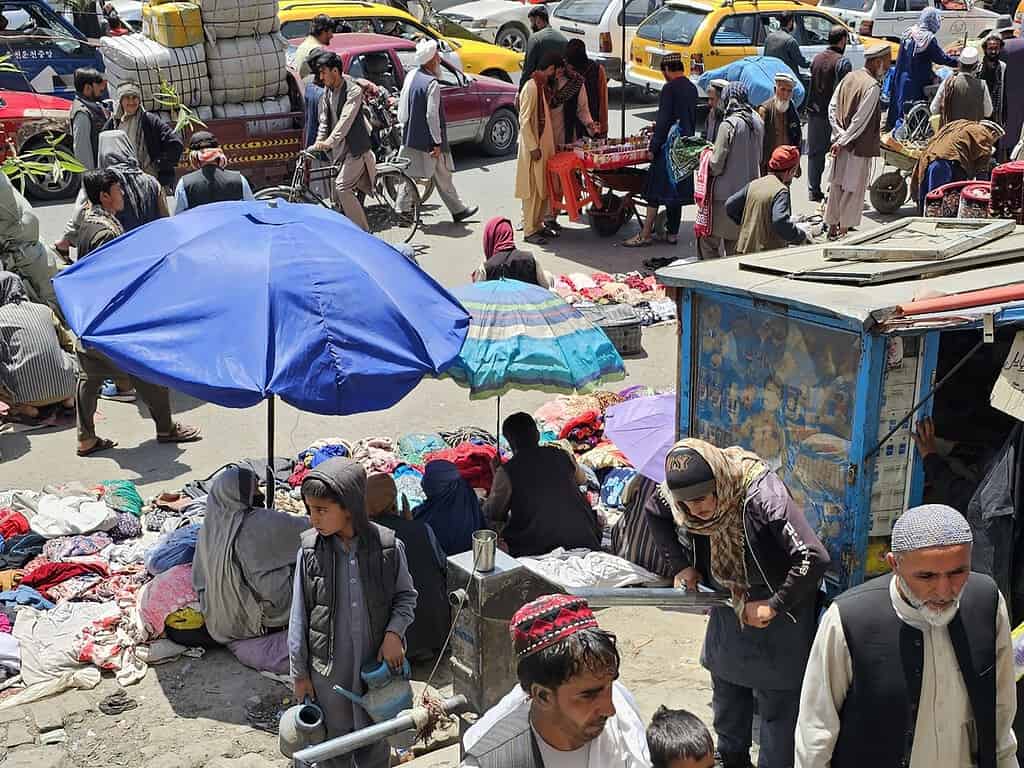
In the afternoon, visit the Great Mosque of Herat (Friday Mosque or Masjid-i Jami) — one of the oldest mosques in Afghanistan, first built in the 7th century and expanded by the Ghurids in the 12th century. The blue tilework on the courtyard walls is among the finest Islamic decorative art anywhere in the world, painstakingly restored over decades. Finish the day wandering the Herat bazaars — narrow covered alleys where copper smiths hammer pots by hand, spice sellers stack mountains of saffron (Herat produces the best saffron in the world), and carpet dealers unroll silk and wool pieces woven in the surrounding villages. Overnight at Sadaf Hotel, Herat.
Morning drive outside Herat to Gazargah, the hilltop complex housing the Tomb of Khwaja Abdullah Ansari — the beloved 11th-century Sufi poet, mystic, and scholar born in Herat in 1006 AD. Ansari is one of the most important figures in Persian literature; his devotional writings and couplets are still recited across Afghanistan and Iran a thousand years later. The shrine complex is a place of pilgrimage and deep reverence — marble courtyards, carved calligraphy, and gardens where families come to pray and picnic in the shade of ancient trees. Nearby, pay respects at the tomb of Mirwais Sadiq Khan, a modern Afghan figure, offering a window into the country's more recent and complicated history.
Transfer to Herat Airport for your flight back to Kabul. The return flight offers stunning aerial views of the central Afghan highlands — barren mountains stretching endlessly in every direction, cut by river valleys and dotted with tiny mud-walled villages. It is from the air that you understand the sheer scale and remoteness of this country.
Arrive Kabul in the afternoon and head to Wazir Akbar Khan Hill for sunset — one of Kabul's best viewpoints, looking out over the sprawling city as the call to prayer echoes from mosques in every direction. The hill is named after the Afghan commander who defeated the British during the First Anglo-Afghan War in 1842 — a reminder that Kabul has been the graveyard of foreign ambitions for centuries. Free evening in the city. Overnight at Khyber Hotel, Kabul.
Early departure heading south from Kabul on the highway toward Ghazni — once one of the greatest cities in the Islamic world. In the 11th century, under Sultan Mahmud of Ghazni, this was the capital of an empire stretching from Iran to northern India. Mahmud launched seventeen invasions of the Indian subcontinent from here, amassing wealth that funded mosques, libraries, and palaces that made Ghazni a rival to Baghdad and Cairo. Today the glory is gone, but the ruins whisper loudly.
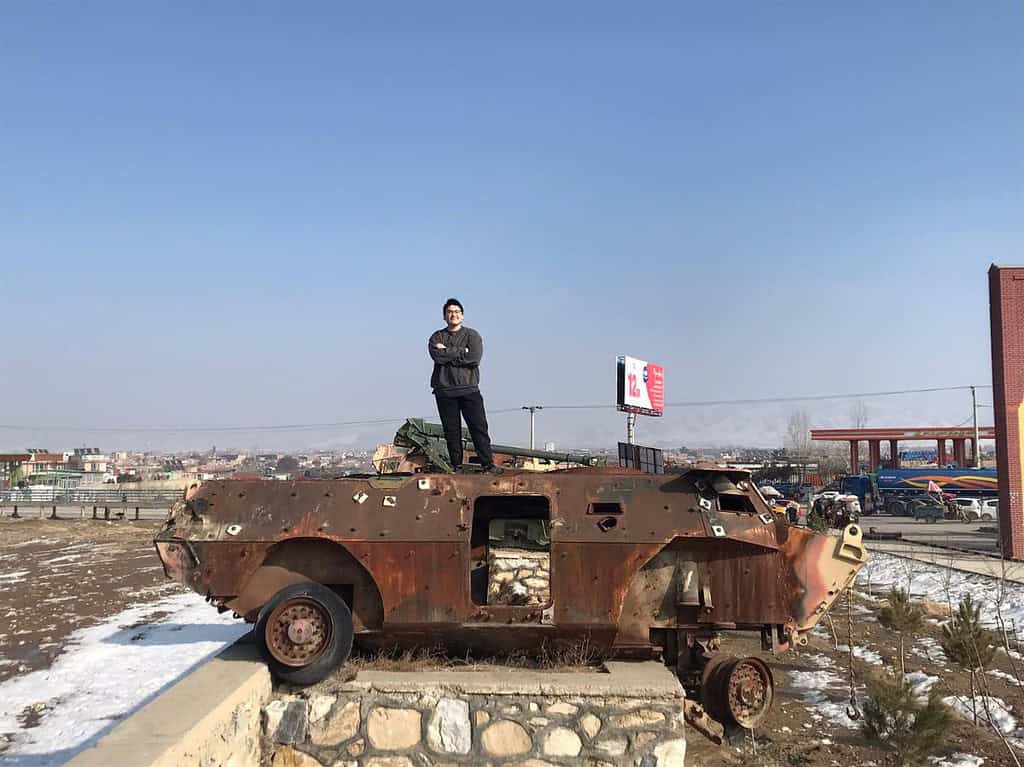
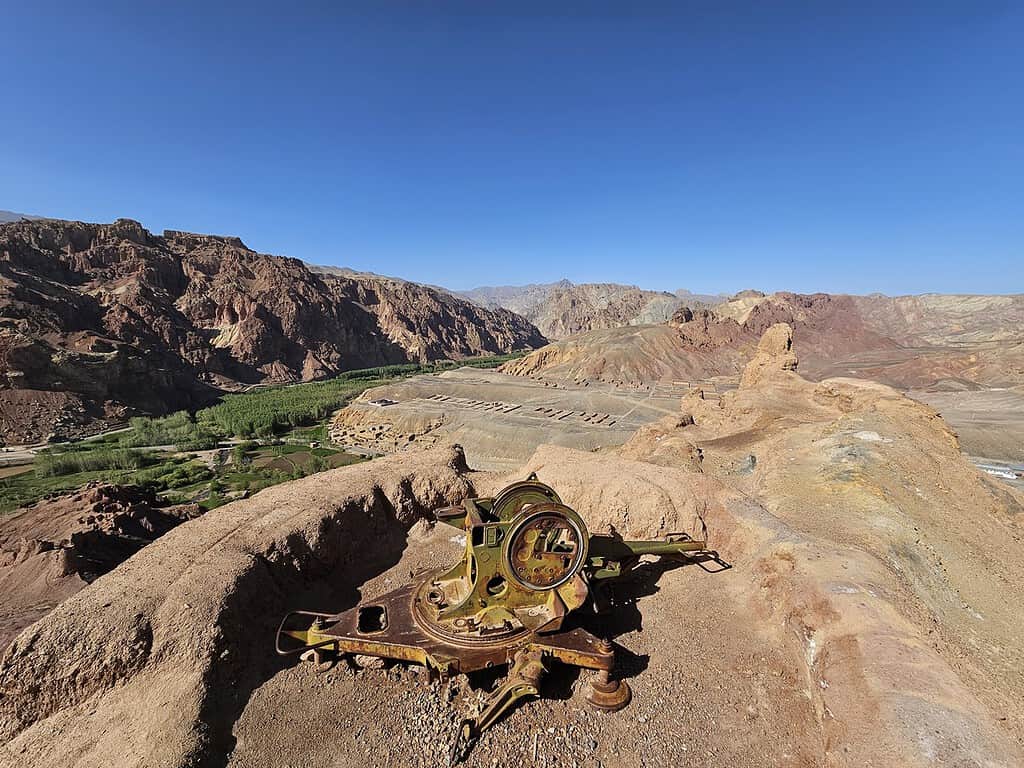
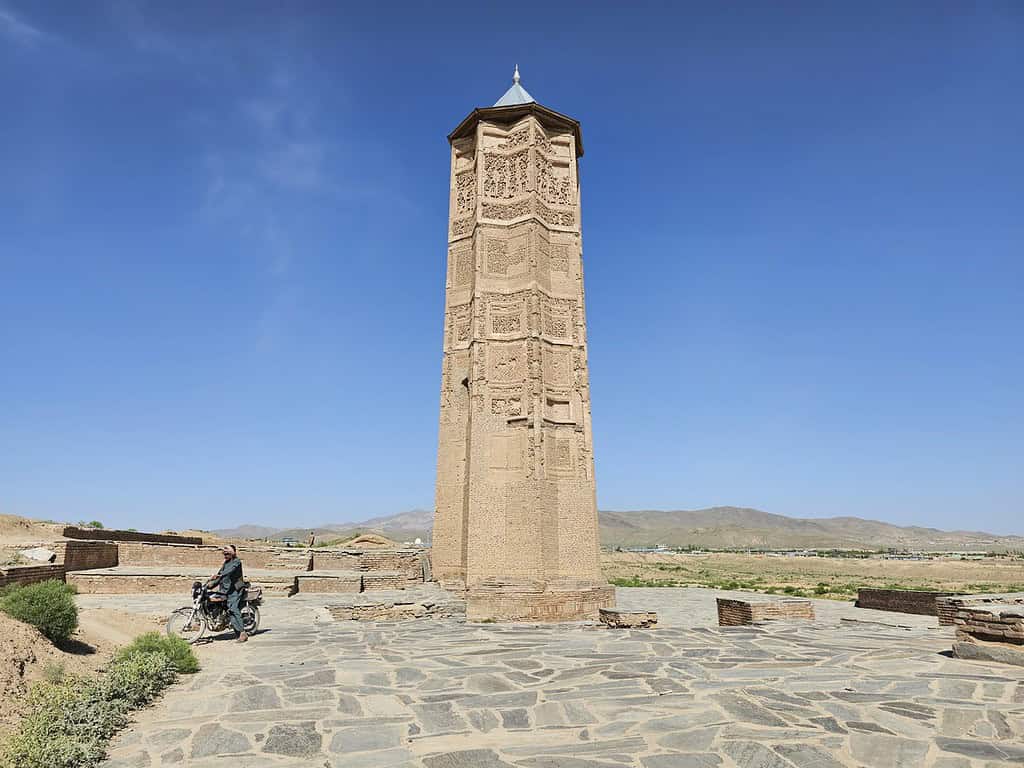
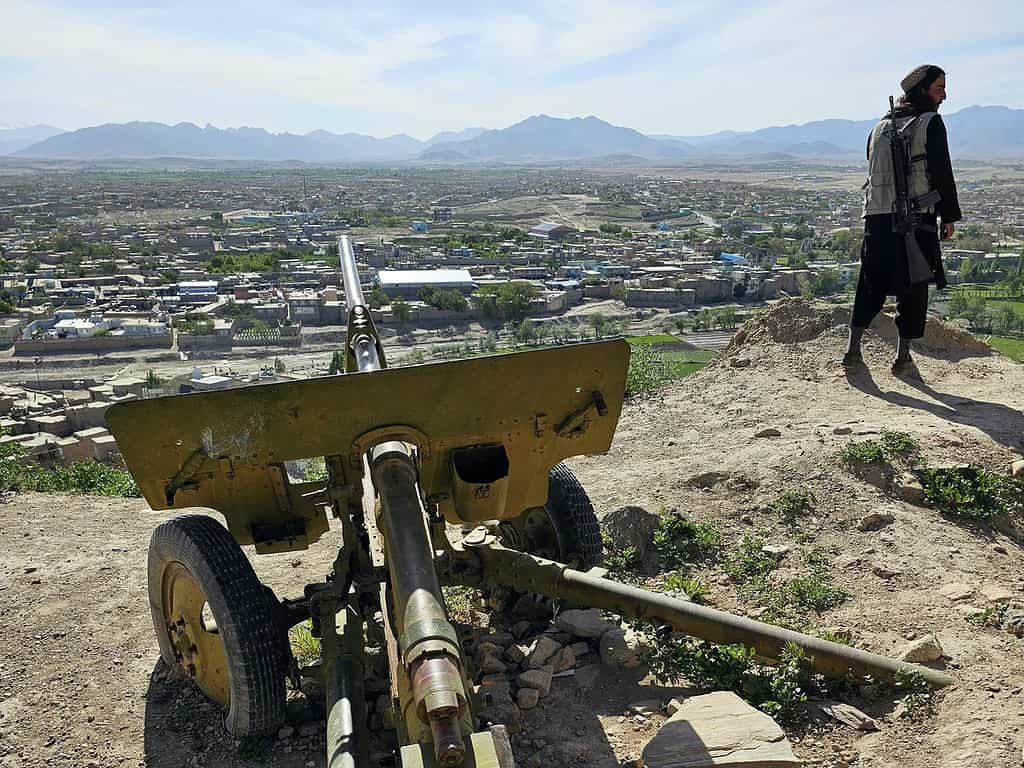
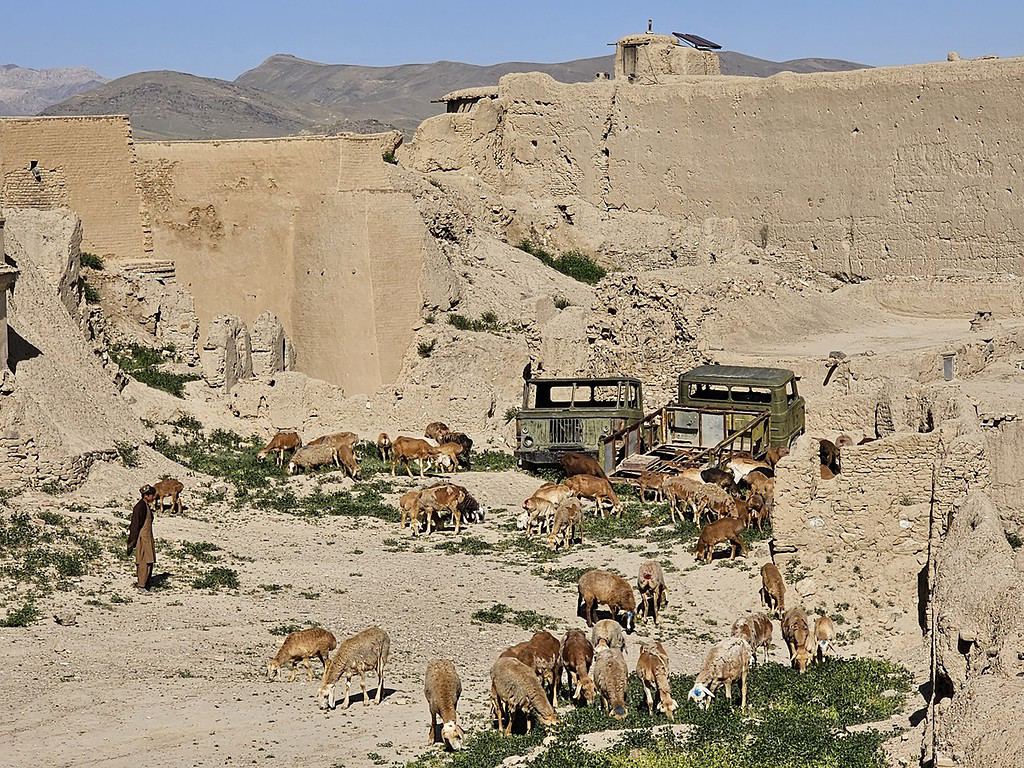
Visit the twin Minarets of Ghazni — two ornate 12th-century towers decorated with intricate geometric brickwork, among the finest examples of Ghaznavid architecture still standing. Explore the Citadel of Ghazni perched on a hilltop overlooking the city — fortified walls and watchtowers where you can trace the layers of Afghan, Mongol, and British military history stacked on top of each other. Stop at the open-air Military Museum, a collection of rusting Soviet tanks, helicopters, and artillery pieces left behind after the 1989 withdrawal — a haunting outdoor gallery of Cold War wreckage sitting in the Afghan sun.
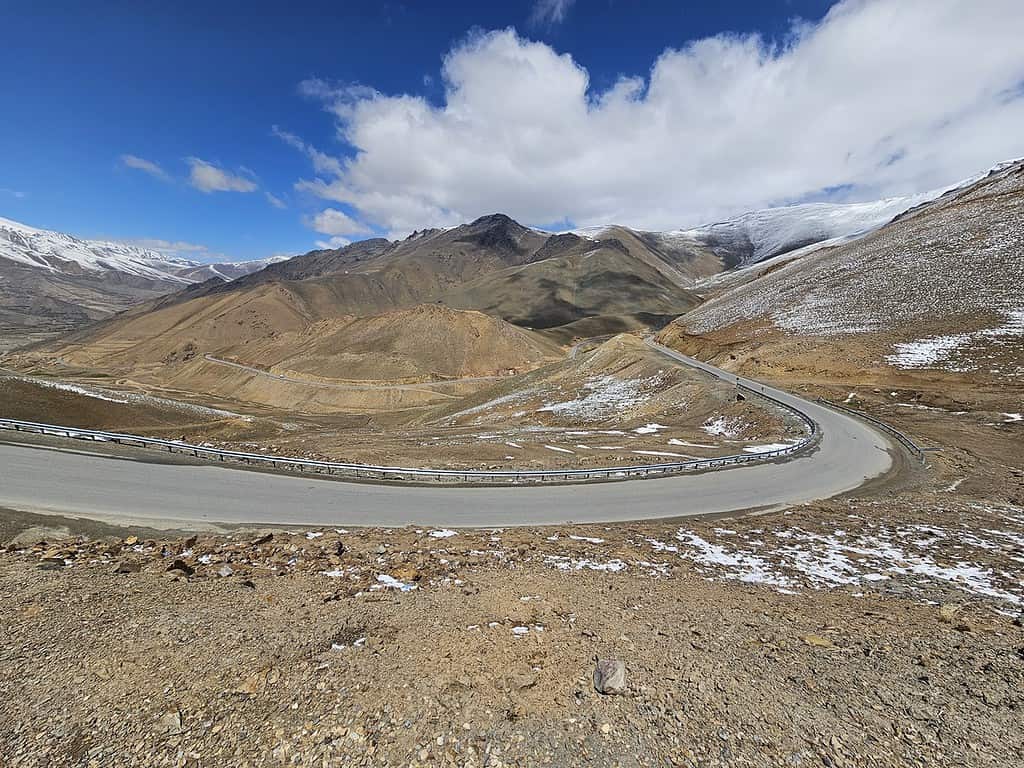
After Ghazni, the road turns west and climbs into the Hindu Kush mountains toward Bamiyan. The landscape transforms from flat plains to deep gorges, switchback passes, and snow-dusted peaks. The Hajigak Pass is one of the highest paved roads in Afghanistan, and the views are staggering — valleys dropping away on both sides, nomad camps visible in the distance, trucks crawling along edges that would terrify any European driver. Arrive in the Bamiyan Valley as the sun sets behind the cliff face where the giant Buddha statues once stood. Overnight at Bamyan Royal Hotel.
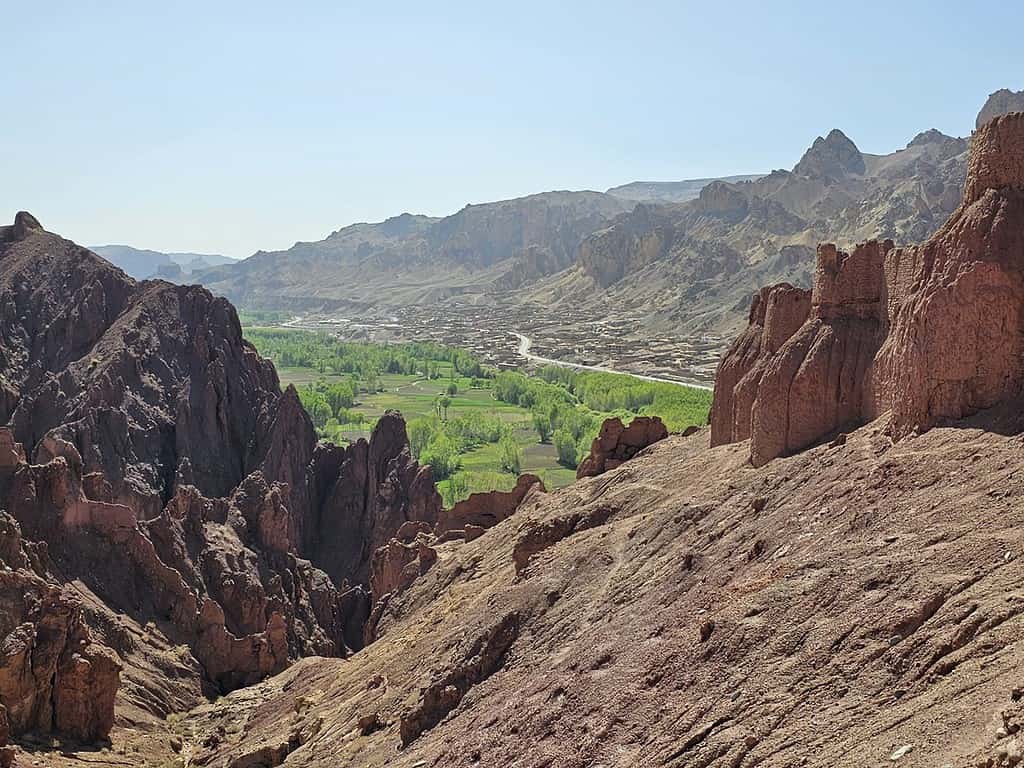
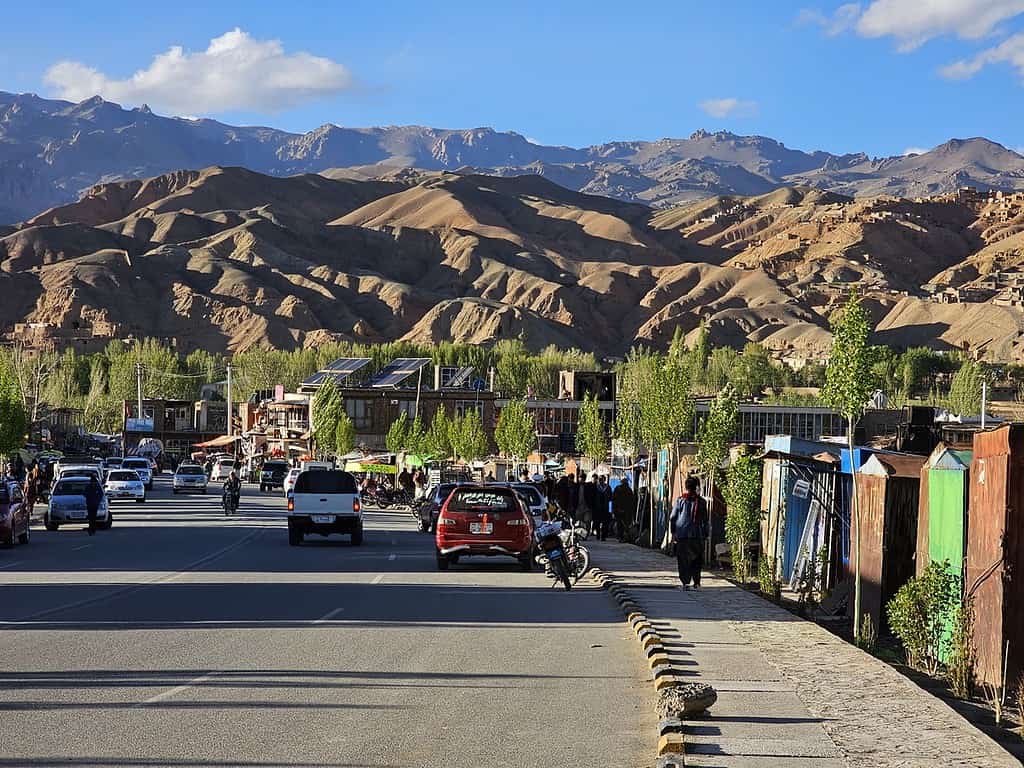
This is the day many travelers call the highlight of their entire trip. The Bamiyan Valley is unlike anywhere else in Afghanistan — a wide, green corridor at 2,500 meters altitude, flanked by red sandstone cliffs and surrounded by snow-capped peaks. The Hazara people who live here are ethnically and culturally distinct from the Pashtun majority, with Central Asian features and a reputation as the warmest, most welcoming community in the country.
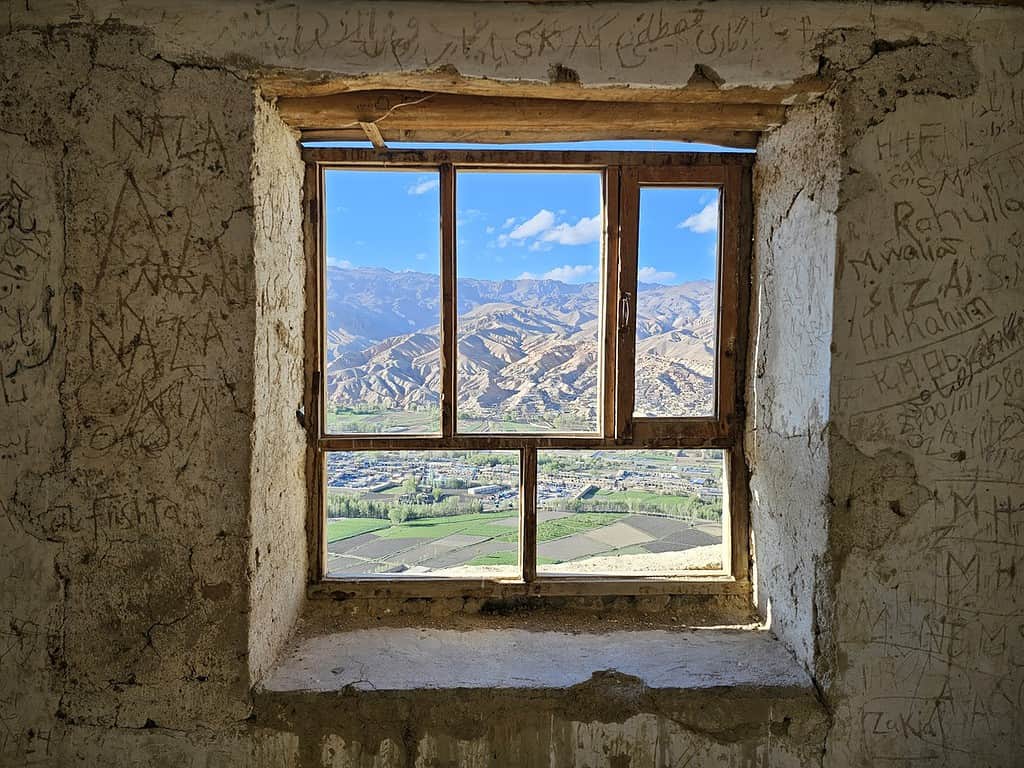
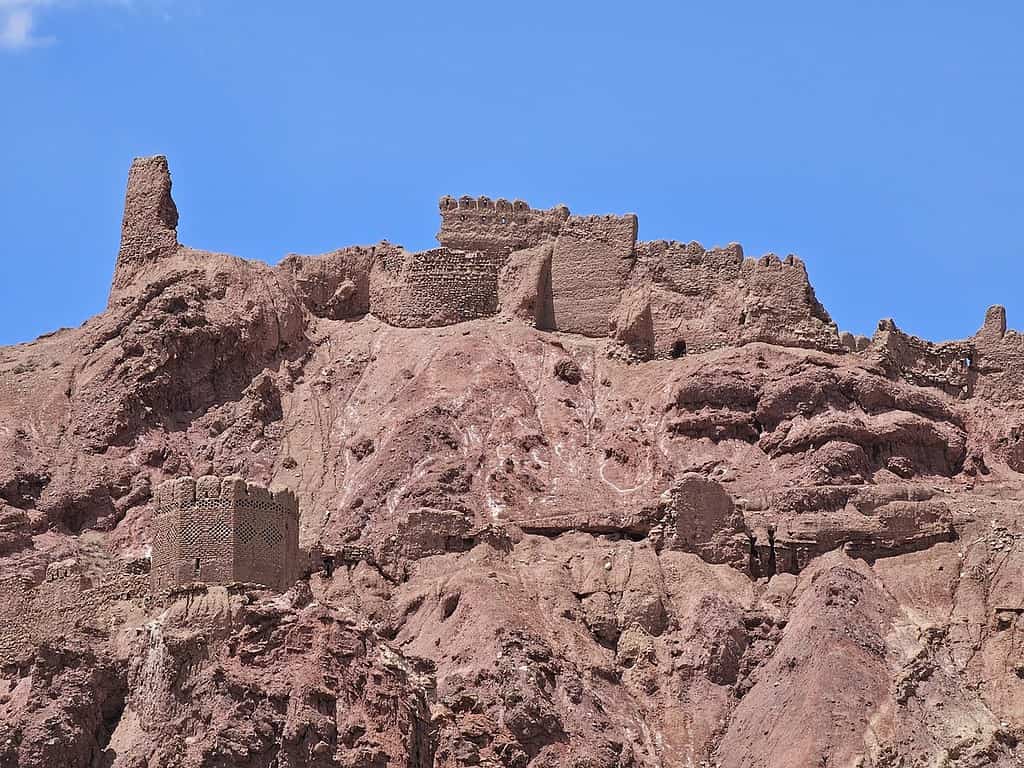
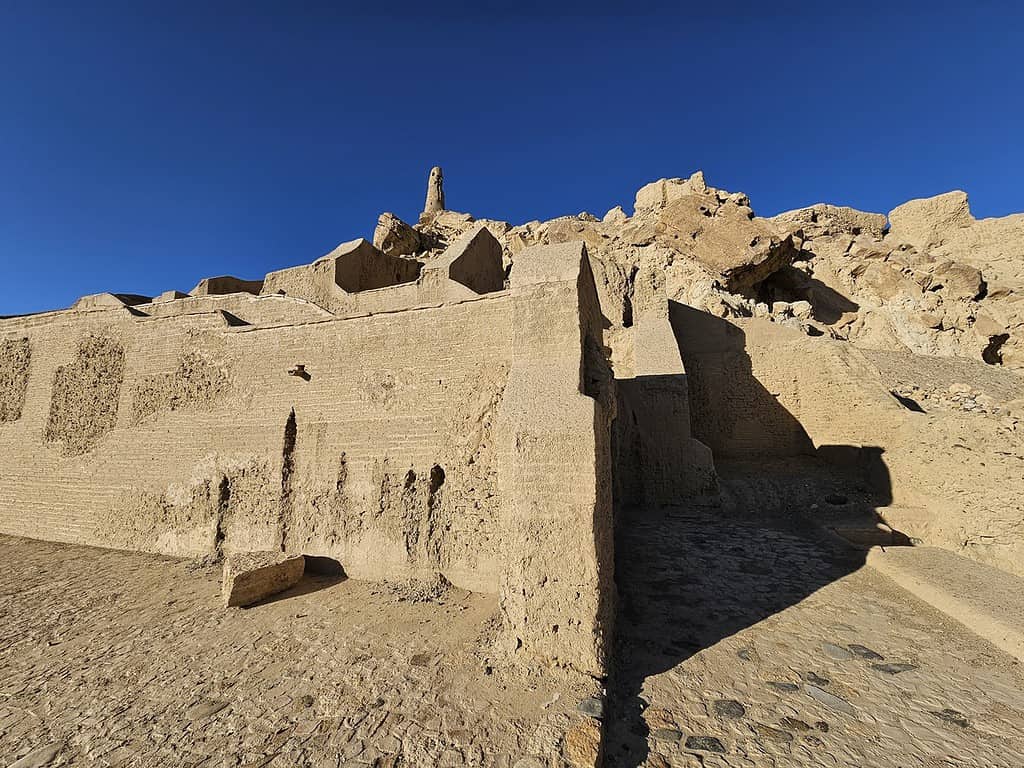
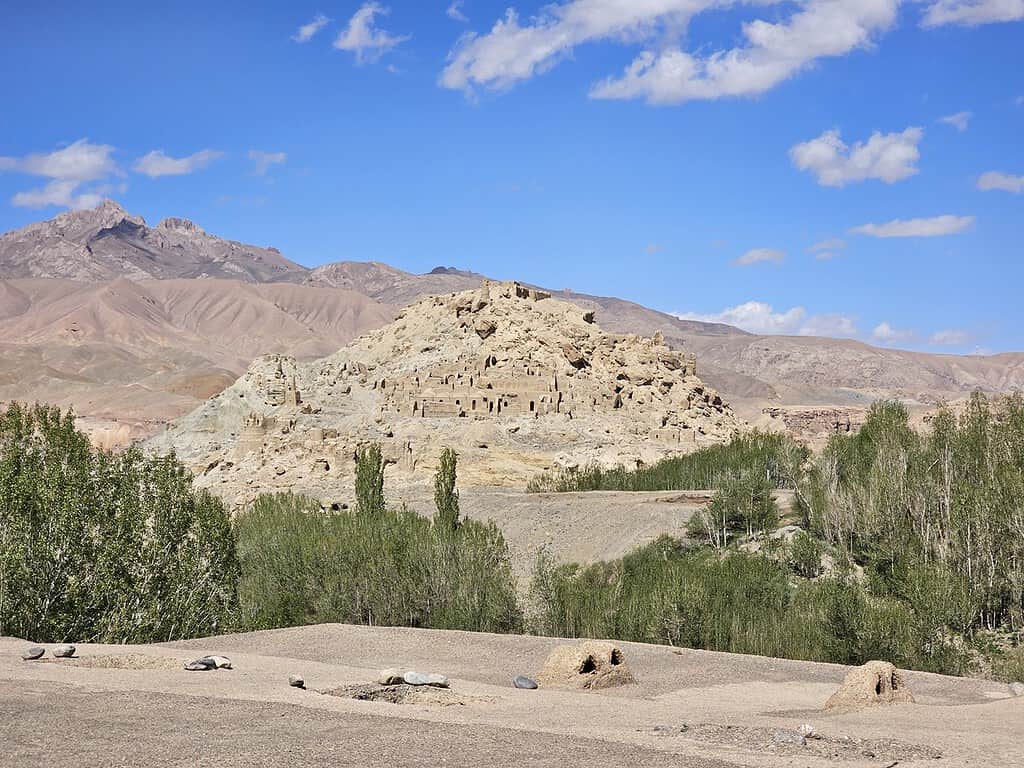
Start at Shahr-e Zuhak, the "Red City" — a ruined fortress perched on a rocky outcrop at the junction of two valleys, its crumbling walls stained rust-red by the mineral-rich soil. Built as a defensive outpost, it was destroyed by Genghis Khan's army in 1221 during the Mongol invasion of the Bamiyan Valley. From there, head to Shahr-e Gholghola, the "City of Screams" — another hilltop citadel destroyed by the Mongols. Legend says every inhabitant was killed and the screams could be heard for miles, giving the ruins their name. Climb to the top for a 360-degree panoramic view of the entire valley — Buddha Niches to the east, Band-e Amir mountains to the west, green fields below. It is one of the most photographed viewpoints in all of Afghanistan.
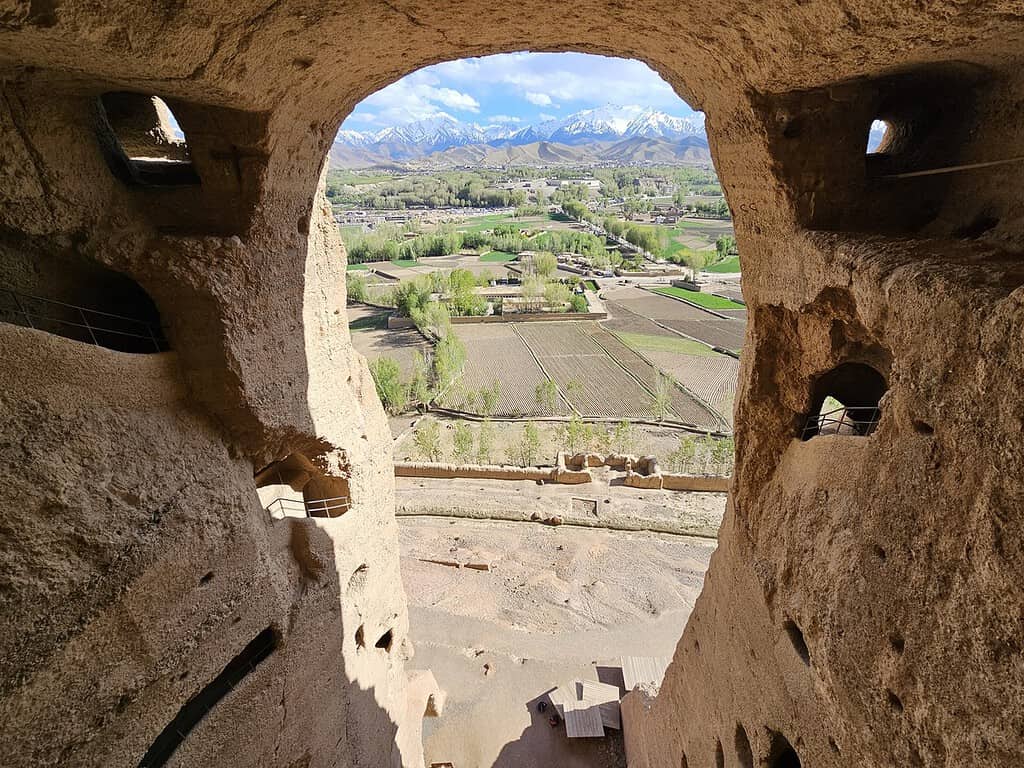
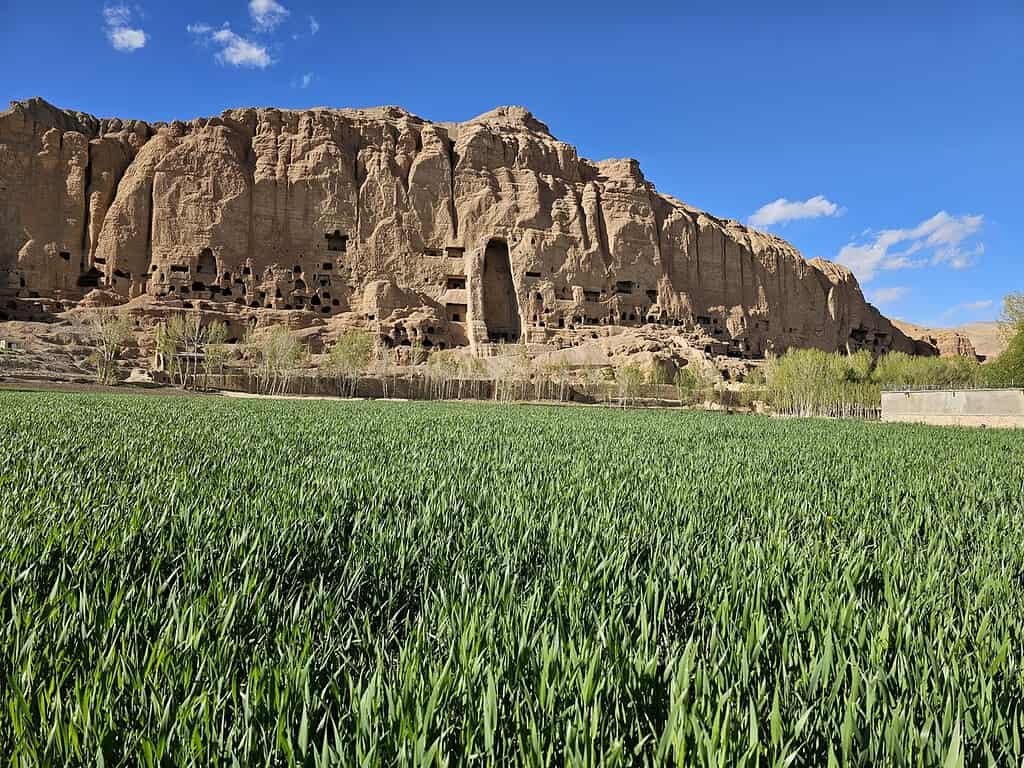
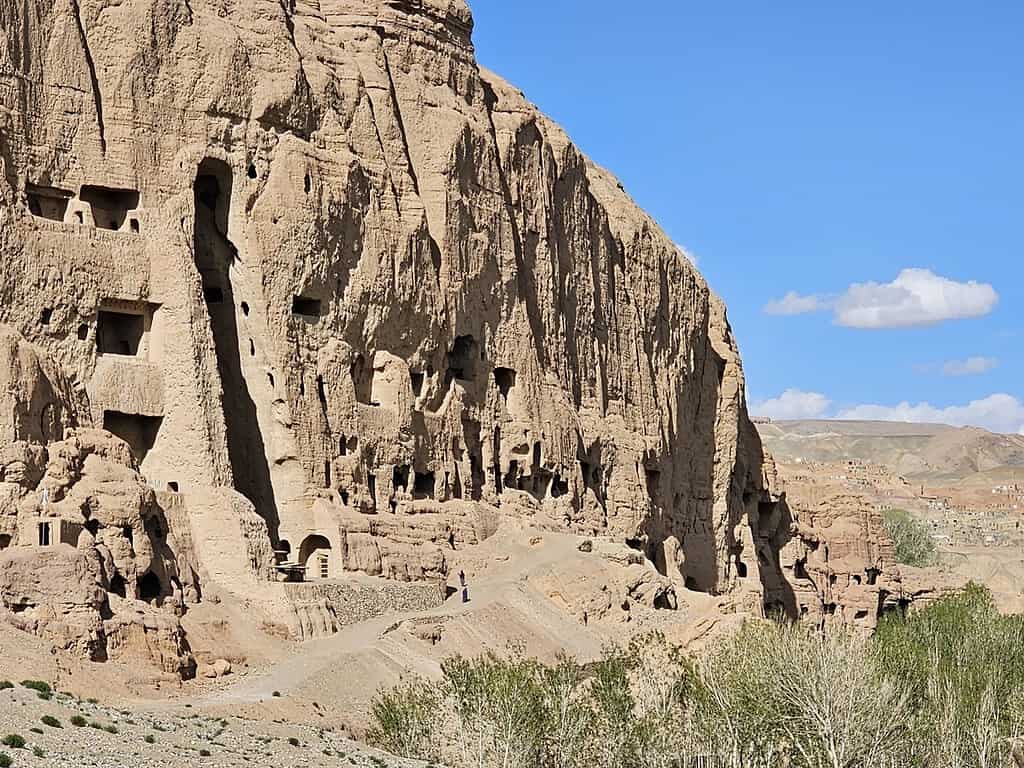
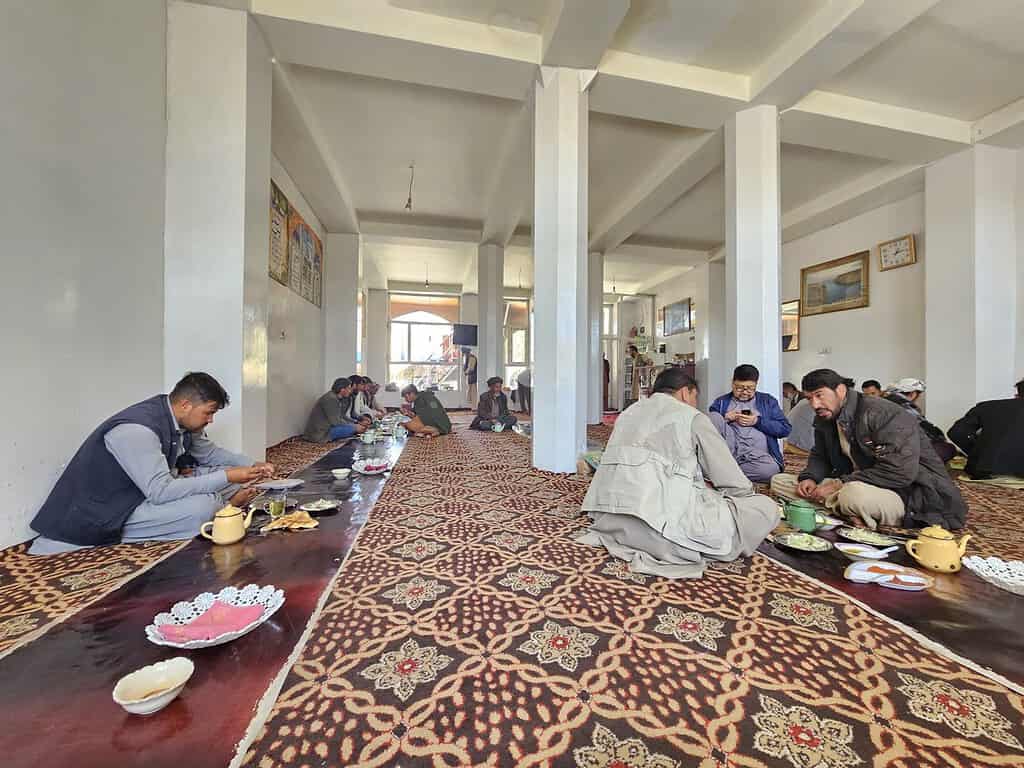
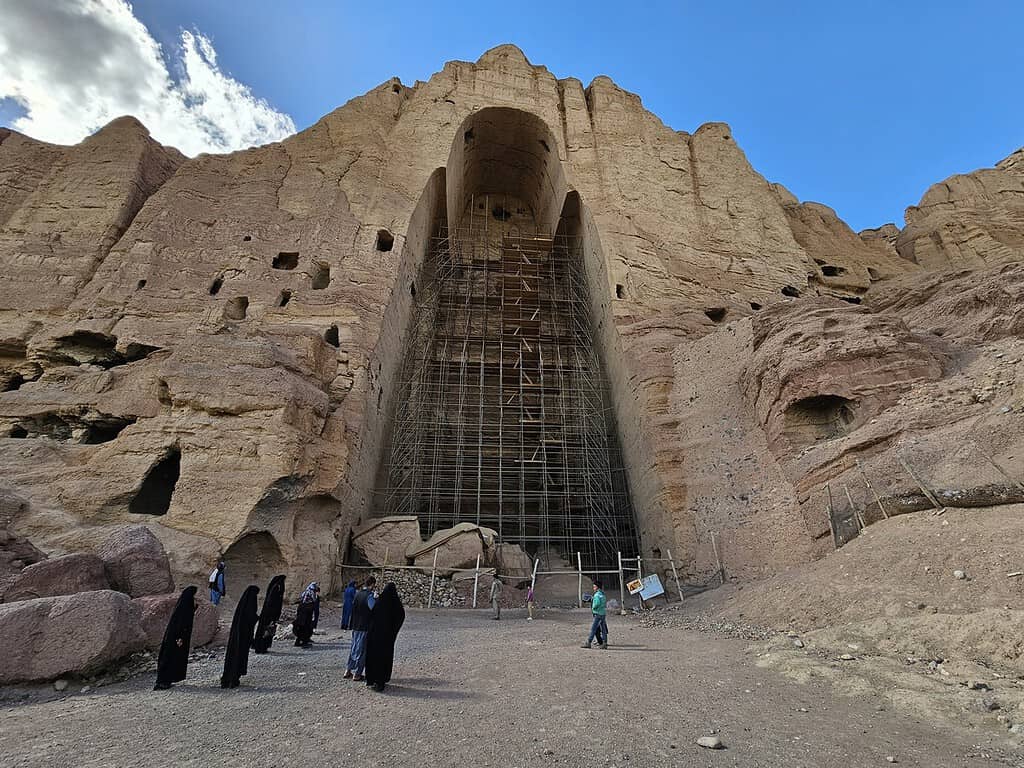
Afternoon at the Kakrak Valley, a quieter site with smaller Buddha carvings and painted cave ceilings dating from the 6th century — a reminder that this valley was once the heart of Buddhist civilization in Central Asia, centuries before Islam arrived. Then walk along the base of the great cliff to the Buddha Niches themselves — two enormous empty alcoves where the 55-meter and 38-meter Buddhas stood for 1,500 years until the Taliban dynamited them in March 2001. The scale is breathtaking even without the statues. Finish the day with tea inside a Hazara family's cave house carved into the cliff — sit on carpets, drink green tea with cardamom, and talk through your guide about daily life in the valley. Overnight at Bamyan Royal Hotel.
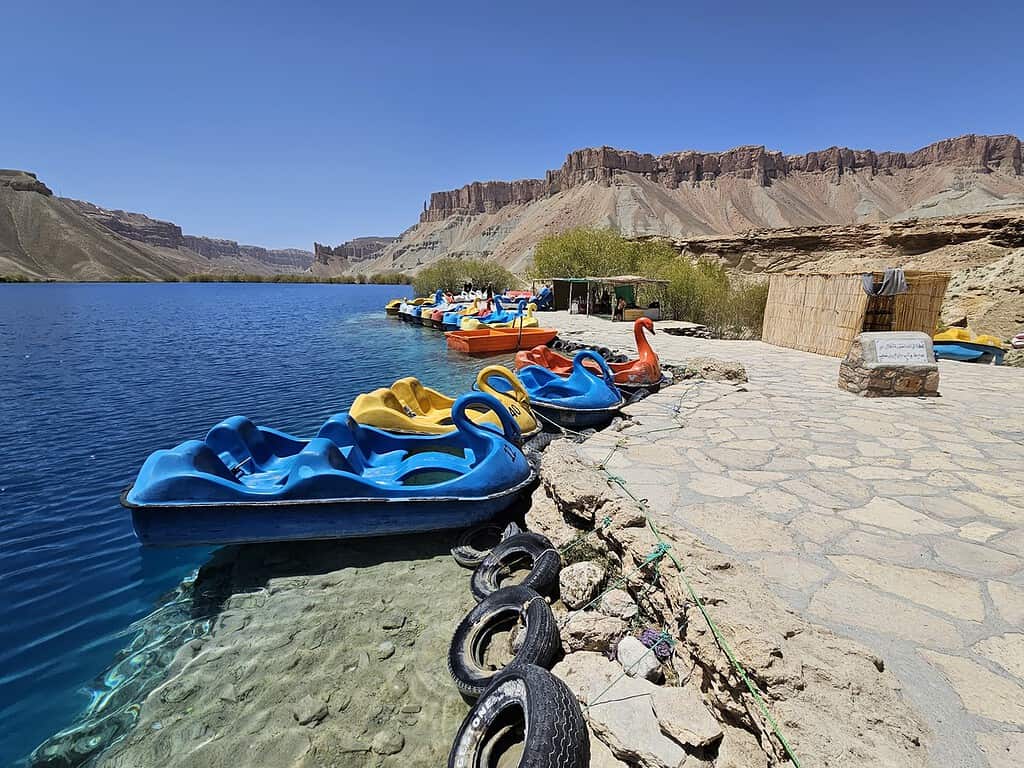
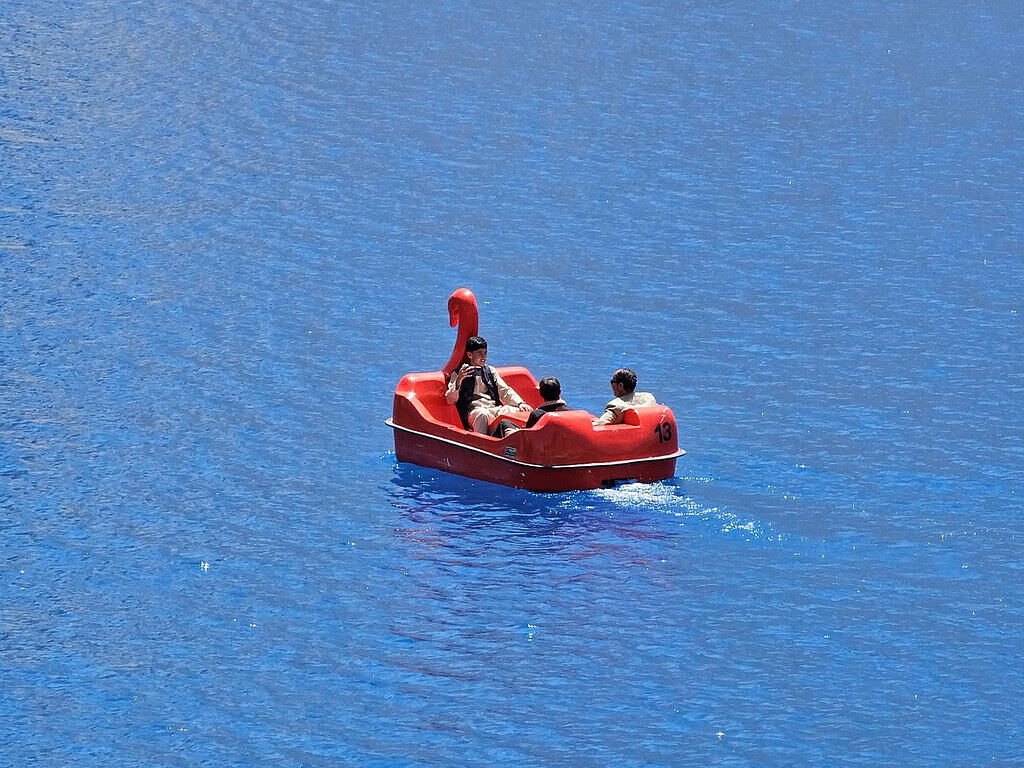
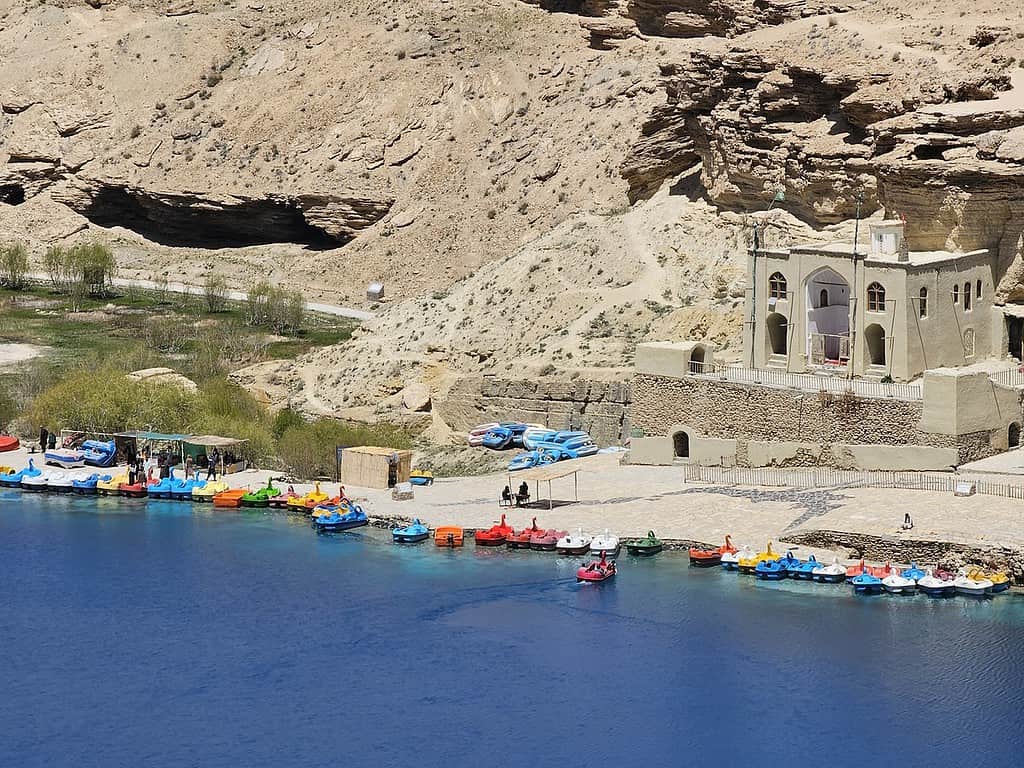
Early departure for a full-day 4WD excursion to Band-e Amir — Afghanistan's first national park, established in 2009, and the country's most spectacular natural wonder. The drive takes about two hours across a high desert plateau, arriving at a series of six lakes whose mineral-rich waters have built natural travertine dams over millennia. The color of the water is an almost unbelievable shade of deep turquoise — the result of dissolved carbon dioxide and calcium, set against the bleached desert cliffs and cobalt-blue sky at 3,000 meters altitude.
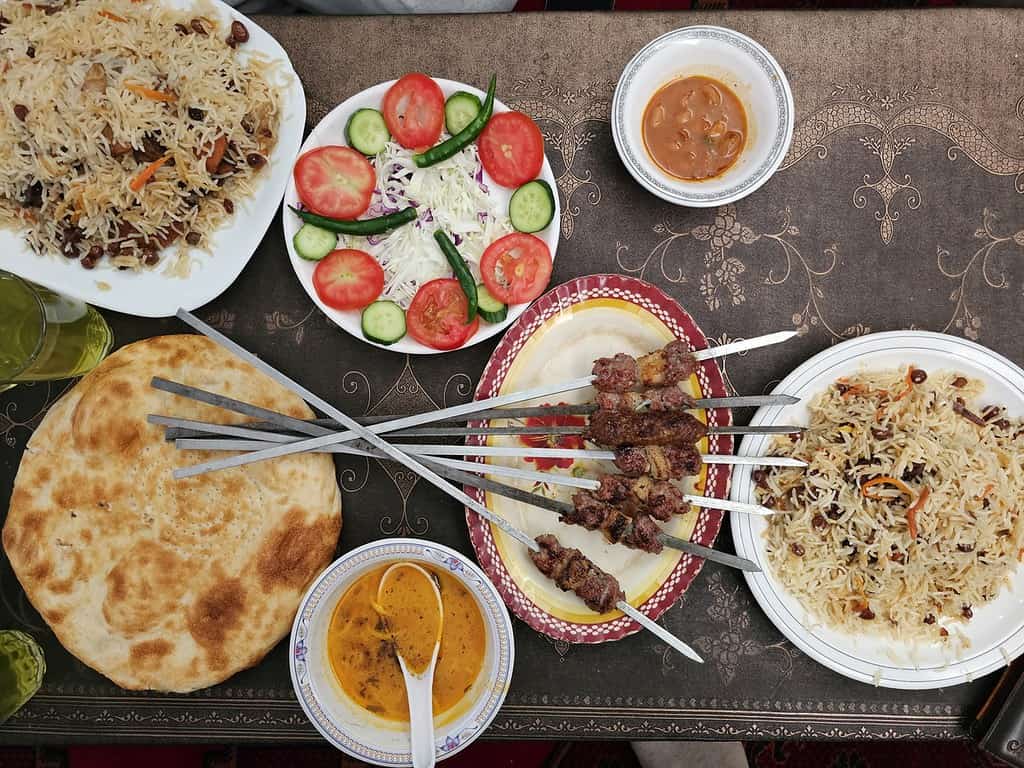
Spend the day hiking between the lakes, each one different in size, shape, and color. Band-e Haibat is the largest and most visited. Band-e Panir and Band-e Pudina sit higher up, quieter, with fewer visitors and even more intense color. Picnic lunch at the lakeside — your guide will arrange bread, kebabs, and fruit. The silence and scale of the landscape are the point here — no crowds, no souvenir shops, no infrastructure. Just water, rock, and sky. This is the Afghanistan that no news headline ever shows you, and every traveler who comes here says the same thing: "I had no idea."
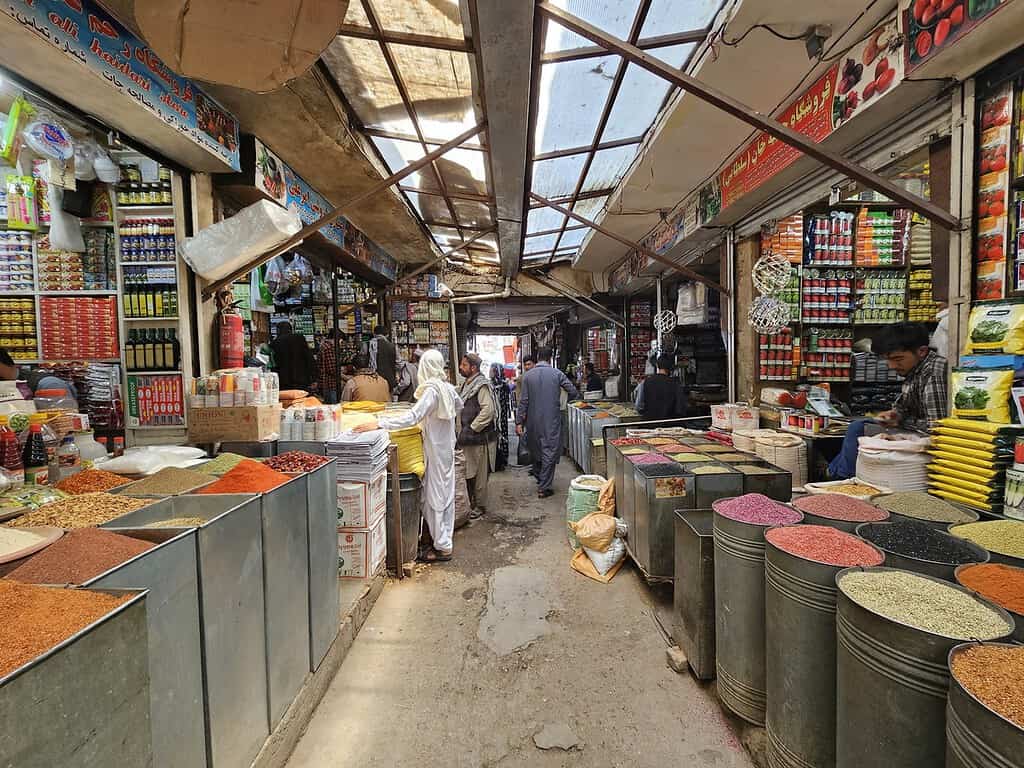
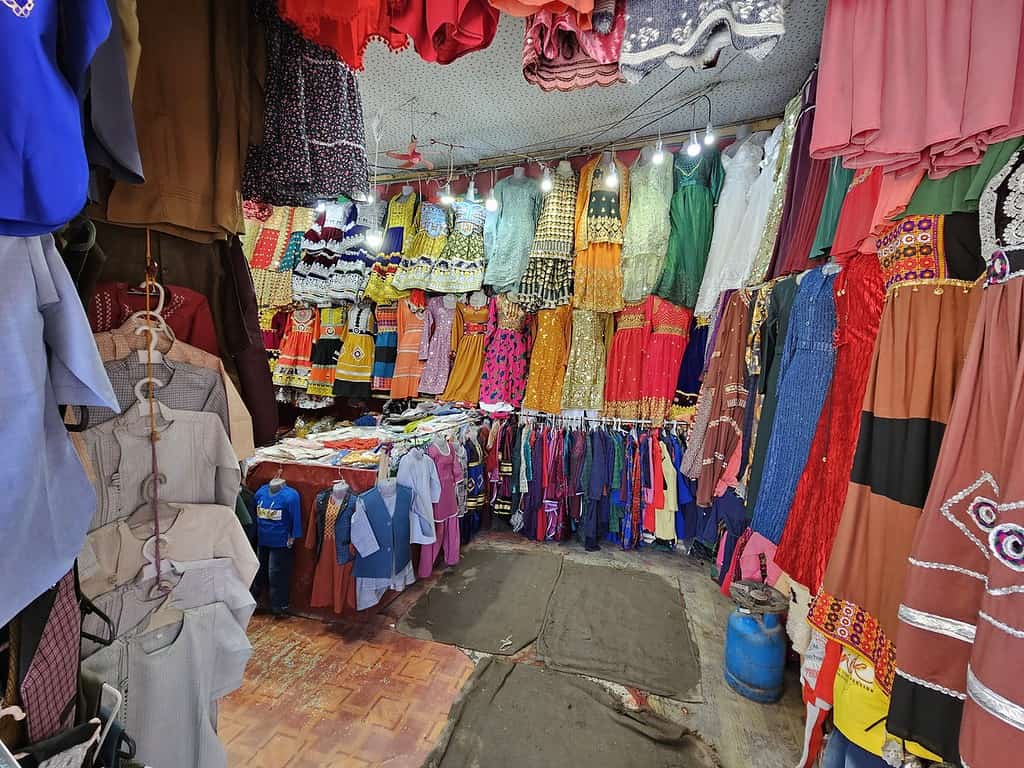
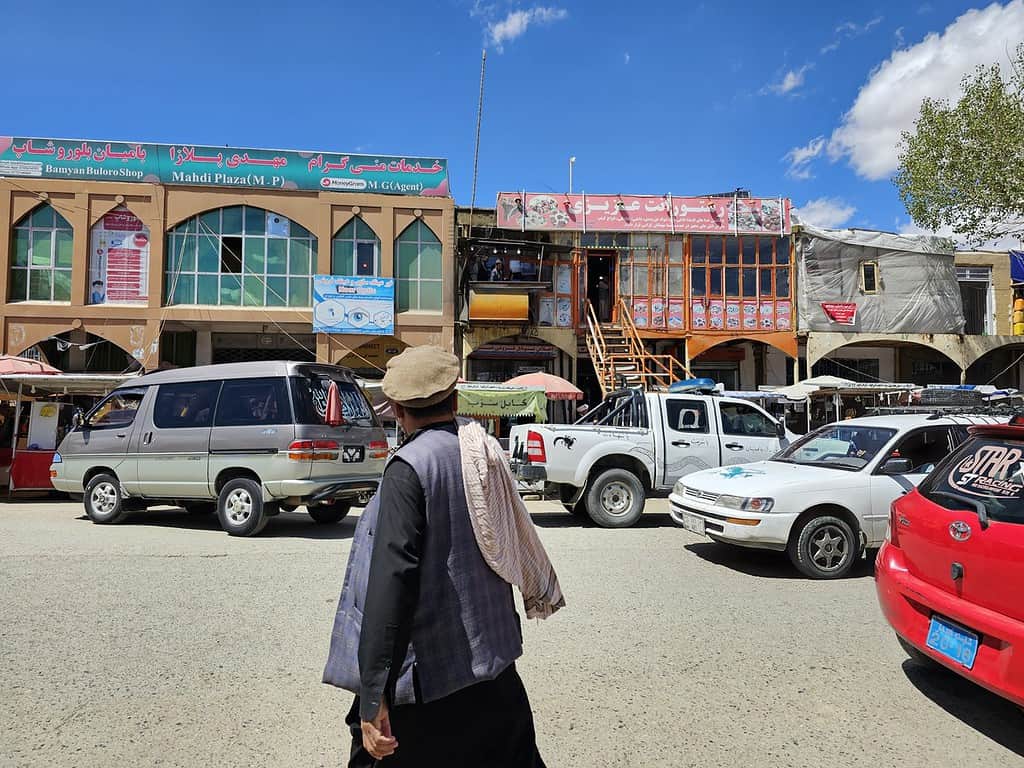
Return to Bamiyan in the late afternoon with time to explore the Bamiyan bazaar on foot — a small but lively market where locals sell dried fruits, nuts, handwoven textiles, lapis lazuli jewelry, and everyday goods. This is not a tourist market; you are shopping where Hazara families shop. Prices are genuine and the shopkeepers are curious about where you come from. Pick up Afghan souvenirs here — this is one of the best places in the country for handmade goods at fair prices. Overnight at Bamyan Royal Hotel.
Wake at 4:00 AM for the long drive north from Bamiyan to Mazar-i-Sharif — one of the great road journeys in Afghanistan. The early start is worth it: you will cross the Shibar Pass in the first light of dawn, with the Hindu Kush mountains turning gold and pink around you. The road drops down through narrow gorges and opens onto the vast northern plains stretching toward the Uzbek border.
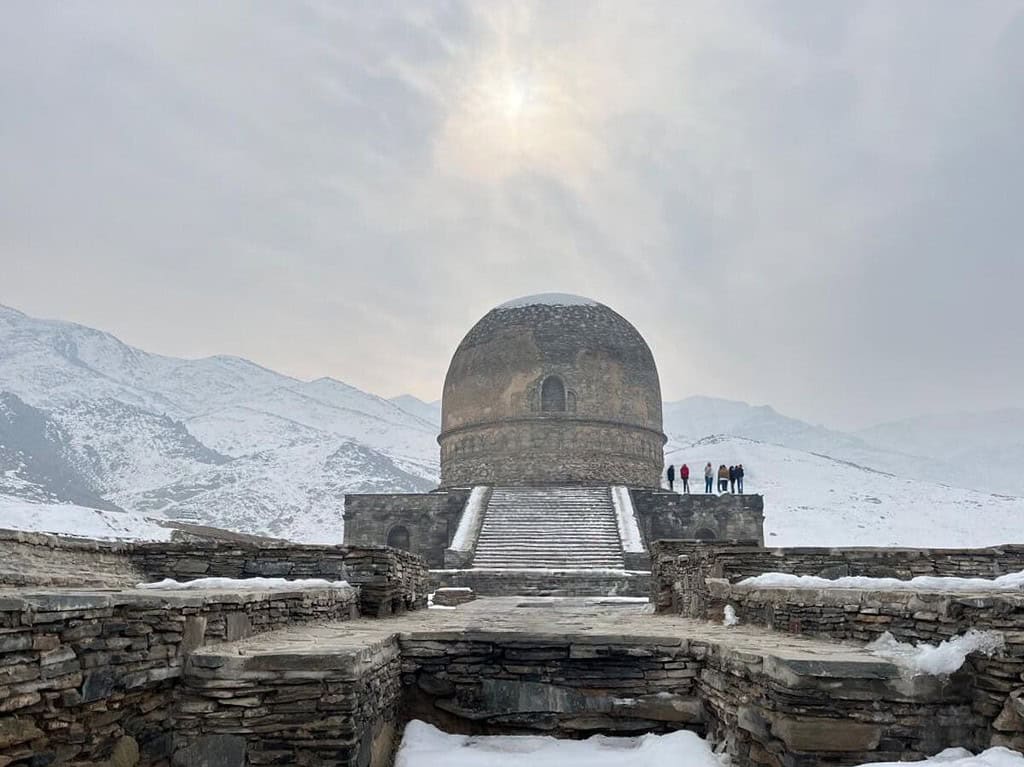
Mid-morning stop at Takht-i Rustam, just south of Samangan — a remarkable Buddhist stupa and monastery complex carved directly into the rock of a hilltop, dating from the 4th or 5th century AD. The stupa sits in a circular trench cut deep into the stone, surrounded by caves that served as monks' quarters. It is one of the most unusual archaeological sites in Afghanistan and a powerful reminder that Buddhism thrived in this region for nearly a thousand years before the arrival of Islam. Nearby, explore the Cave Bazaar — a series of natural caves that have been used as market stalls and workshops for centuries, carved into the cliff face alongside the road.
Continue north across the plains toward Mazar-i-Sharif, arriving in the late afternoon. The landscape here is flat, dry, and open — a stark contrast to the mountains you have spent the last four days in. Mazar is Afghanistan's fourth-largest city and the commercial hub of the north, with a different energy from Kabul — calmer, more orderly, and dominated by the magnificent Blue Mosque visible from across the city. Evening walk to see the mosque illuminated at night. Overnight at Arsalan Guest House, Mazar-i-Sharif.
Morning at the Blue Mosque (Shrine of Hazrat Ali) — the most famous building in Afghanistan and one of the most beautiful mosques in Central Asia. The shrine is believed to be the burial place of Ali ibn Abi Talib, the cousin and son-in-law of the Prophet Muhammad. The exterior is covered in elaborate blue and white tilework, and the courtyard is filled with hundreds of white pigeons — local legend says any grey pigeon that arrives will turn white within 40 days from the holiness of the site. This is a place of deep spiritual significance for Afghan Shia and Sunni Muslims alike.
Drive 25 km west to Balkh — known as the "Mother of Cities" (Umm al-Bilad) and one of the oldest continuously inhabited places on Earth. Before Alexander the Great arrived in 330 BC, Balkh was already the capital of the Bactrian Empire and a major center of Zoroastrian worship. It was later a Buddhist stronghold, then an Islamic center of learning and trade on the Silk Road. Genghis Khan destroyed it in 1220; it never fully recovered. Visit the Shrine of Khoja Abu Nasr Parsa, a 15th-century Timurid monument with a ribbed blue dome surrounded by crumbling gardens. Walk through the remains of the massive ancient walls and the Bala Hisar fortress. Visit the No Gombad Mosque (Nine Domes Mosque) — believed to be one of the oldest mosques in Afghanistan, dating from the 9th century, with carved stucco columns that show the transition from Buddhist to Islamic architectural styles.
Return to Mazar for the afternoon. Visit the Mausoleum of Abdul Ali Mazari (Baba Mazari) — the Hazara political leader assassinated by the Taliban in 1995, now a pilgrimage site and symbol of Hazara identity and resistance. Spend your last afternoon browsing the Mazar bazaars — this is the place for Afghan carpets (Mazar is the country's carpet capital), embroidered chapan coats, and semi-precious stones. Farewell dinner with the group. Overnight at Arsalan Guest House.
Departure from Mazar heading south toward Kabul on the long road back through the Hindu Kush. Mid-morning stop at Kholm, a small town on the road south, to visit the Bagh-e Jahan Nama Palace — a crumbling royal garden retreat that once served as a summer residence for Afghan rulers. The palace sits in a walled compound surrounded by old trees and reflects the faded grandeur of Afghanistan's pre-war aristocratic culture. It is a quiet, rarely visited stop that most tour operators skip entirely.
The road from Kholm climbs into the mountains through the Salang Pass — the famous Soviet-era highway tunnel that cuts through the Hindu Kush at over 3,400 meters. Built in 1964 with Soviet engineering, the Salang Tunnel was the critical supply route for the Soviet army during the 1979–1989 occupation and has been a strategic chokepoint in every Afghan conflict since. The tunnel itself is dark, narrow, and filled with truck exhaust — an experience in itself. On either side, the road switchbacks through gorges where villages cling to cliff faces and rivers crash through narrow valleys far below.
Arrive in Kabul in the evening after a full day on the road. The drive is long but never boring — the landscape changes constantly and the roadside life of Afghanistan unfolds outside your window the entire way. Optional final group dinner together. Overnight at Khyber Hotel, Kabul.
Your last morning in Afghanistan. Start at the Shewaki Buddhist Stupa — the remains of a 2nd-century Buddhist monument on the outskirts of Kabul, evidence that this city was a Buddhist center long before Islam. The stupa is partially excavated and sits in an open field surrounded by residential neighborhoods — a quiet, almost forgotten reminder of Kabul's multi-layered religious past.
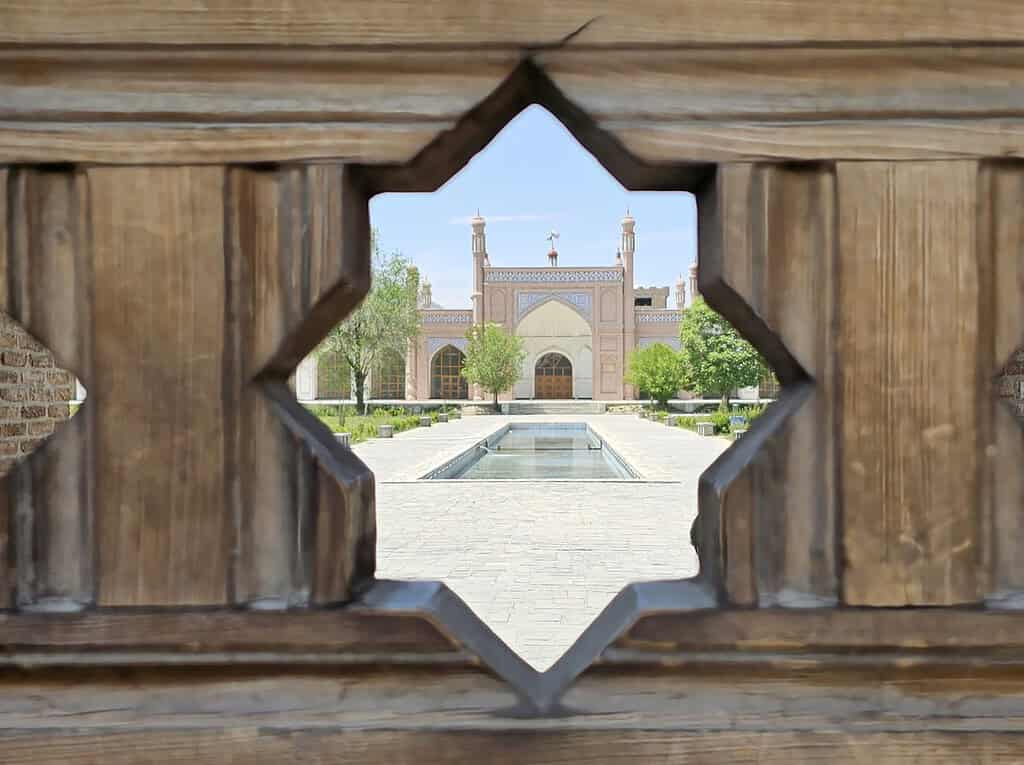
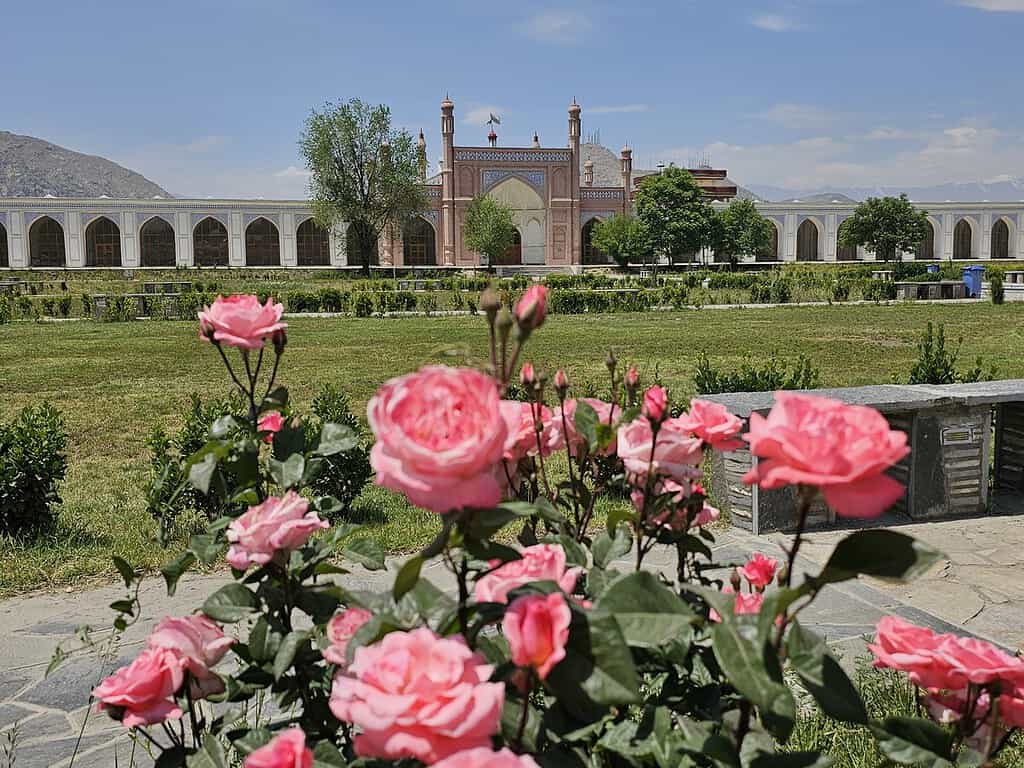
From there, head to the Gardens of Babur (Bagh-e Babur) — the terraced burial place of Zahiruddin Muhammad Babur, the founder of the Mughal Empire. Babur was born in Uzbekistan, fought his way through Afghanistan, and went on to conquer most of northern India — but he loved Kabul above all other cities and asked to be buried here. The gardens have been beautifully restored and offer panoramic views across the city from the upper terraces. It is a calm, green space in the middle of the chaos, and a fitting final stop. Nearby, visit the Id Gah Mosque — one of the largest mosques in Kabul, used for Eid prayers and major religious gatherings, with a wide white façade facing a large open square.
Transfer to Hamid Karzai International Airport for your afternoon departure flight. Tour ends. You leave Afghanistan with a head full of images that no other country on Earth could have given you — turquoise lakes, empty Buddha niches, blue-tiled mosques, mountain passes at dawn, and the hospitality of people who welcomed you into their homes despite everything their country has been through.