
Table of Contents
Embarking on any of our tours to Afghanistan allows you to witness a nation undergoing significant changes and explore its hidden treasures, such as the fantastic Afghanistan UNESCO Sites. At RJ Travel, we are committed to providing secure and enjoyable travel experiences, and our recent visit to the country to ensure our Afghanistan tour packages reaffirms our confidence in the country’s improved situation under the current administration of the Taliban.
During our latest visit, post-Taliban takeover, led by our diligent product manager, João Leitão, we meticulously adhered to the strict regulations implemented throughout beautiful Afghanistan. We obtained the necessary tourism permits, Letters of Invitation, Afghan visa requirements, fulfilled our obligations by paying relevant Government taxes, and secured foreign tourism licenses prioritizing your safety. These measures are in place to ensure your peace of mind as you embark on an unforgettable adventure in Afghanistan.
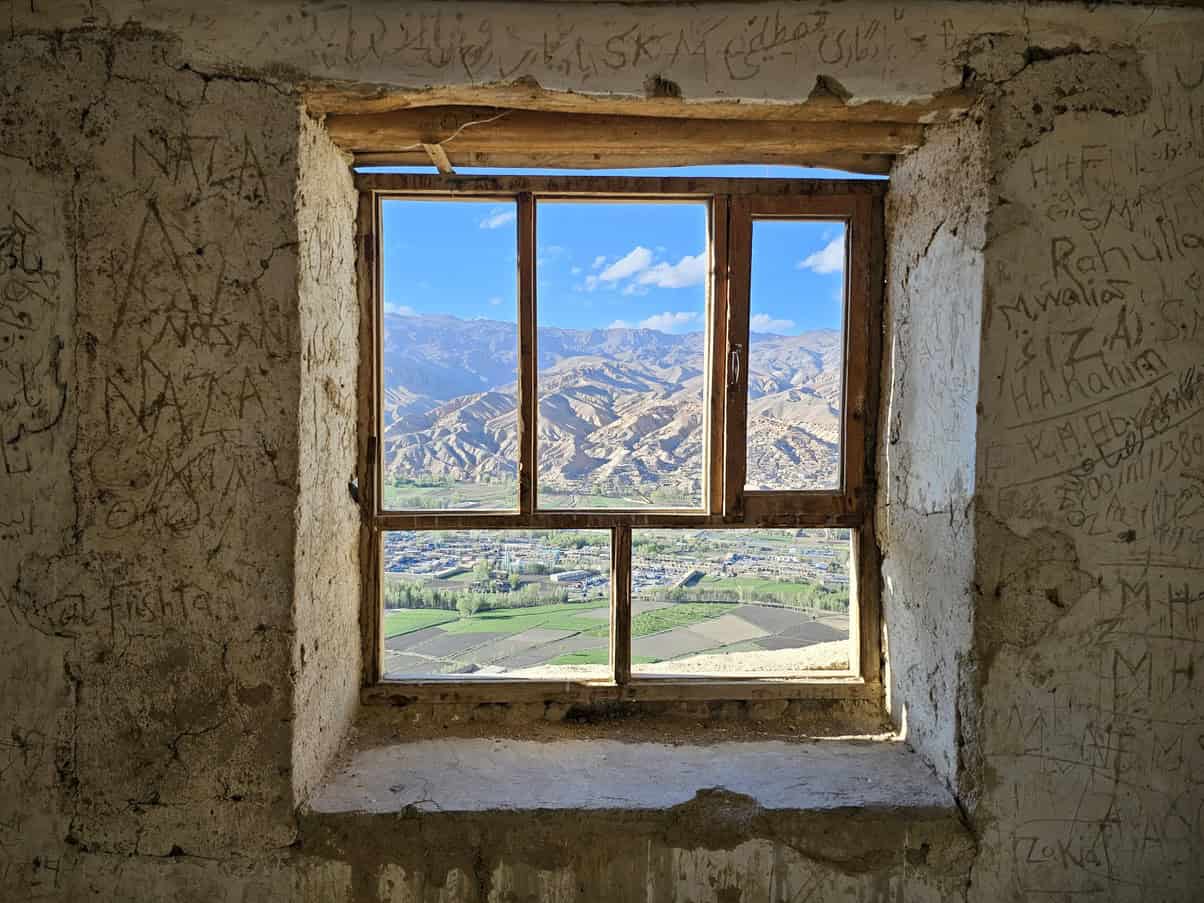
Our firsthand experience about if is Afghanistan safe to travel allows us to confidently assure you of the stability and safety that prevail in Afghanistan today. The Taliban’s commitment to maintaining order and protecting both locals and visitors is evident throughout the nation. By complying with the regulations and requirements set forth by the current administration, we have gained valuable insights into the measures in place to ensure a secure travel environment.
Safely Exploring Afghanistan: Our Product Manager’s Journey (click to open)
Our product manager, João Leitão, embarked on a remarkable journey to Afghanistan to assess the travel conditions and ensure the safety of our valued clients. His recent visit to this captivating nation allowed him to explore various cities and regions, diligently preparing our tours for an unforgettable and secure experience.
João’s adventure began with his arrival in Kabul, the capital city of Afghanistan. Immersing himself in the vibrant atmosphere, he thoroughly explored the city, uncovering its hidden gems and immersing himself in its rich culture. From the bustling streets to the historic landmarks, he gained a deep appreciation for Kabul’s unique charm and spirit.
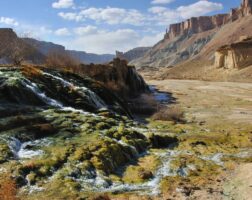
Continuing his exploration, João ventured to Bamiyan, a region renowned for its breathtaking mountain landscapes and remarkable historical sites. He traversed the southern road from Bamiyan to Ghazni via Maidan Shahr, allowing him to witness the diverse and awe-inspiring natural beauty that Afghanistan has to offer. In particular, he visited Band-e Amir National Park, where he marveled at the stunning turquoise lakes surrounded by towering cliffs.
Having previously visited Mazar-e-Sharif, Balkh, Pul-e Khumrī, Baghlan, and Kunduz a few years back – driving in Afghanistan, João’s return to the country gave him a deeper understanding of the country’s diverse regions and cultural heritage. This valuable experience allows us to curate tours showcasing Afghanistan’s best, ensuring a well-rounded and enriching travel experience.
Throughout his visit, João meticulously assessed the safety measures in place, taking note of the strict regulations implemented by the current administration of the Taliban. From the moment he arrived at Kabul airport, he observed the Taliban’s efforts to maintain stability and ensure the well-being of locals and visitors. This firsthand experience allowed him to gather valuable insights and make necessary preparations to guarantee the safety and security of our tours.
With João’s expertise and dedication, we have fine-tuned our itineraries, selected secure accommodations, and arranged reliable transportation to provide a seamless and enjoyable travel experience in Afghanistan. We are committed to ensuring your safety, allowing you to explore the hidden treasures of this remarkable nation with confidence and peace of mind.
By embarking on a tour with RJ Travel, you can trust that our product manager’s firsthand experience and meticulous preparations have laid the foundation for an unforgettable journey through Afghanistan’s captivating landscapes, rich history, and warm hospitality. We invite you to join us and embark on an extraordinary adventure that will leave you with lasting memories of this remarkable nation.
Unveiling the Vibrant Atmosphere of Afghanistan
Our recent visit to Afghanistan provided a unique opportunity to witness the remarkable transformations taking place under the current administration of the Taliban. From the moment of arrival at the airport, it was evident that the Taliban had made significant efforts to organize and maintain logistical operations. The continuity of the airport staff, including women working in security roles such as luggage x-rays, reflected their commitment to stability and security.
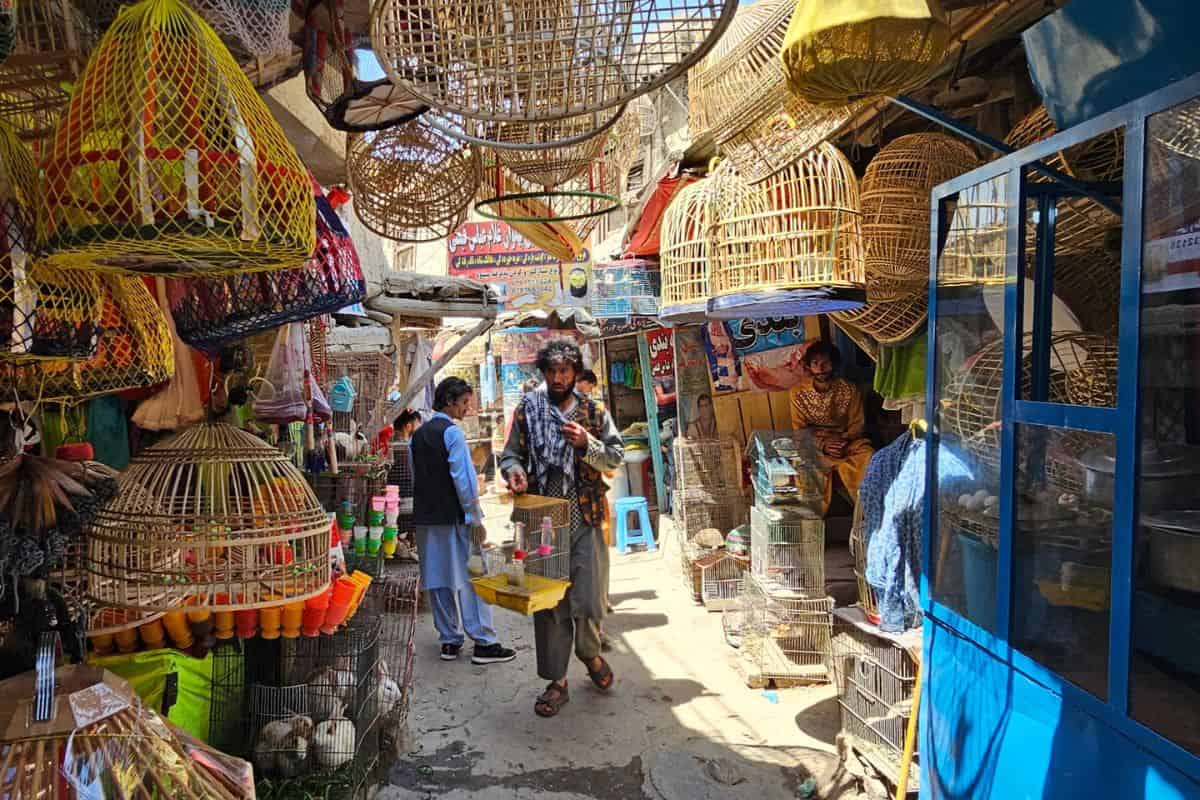
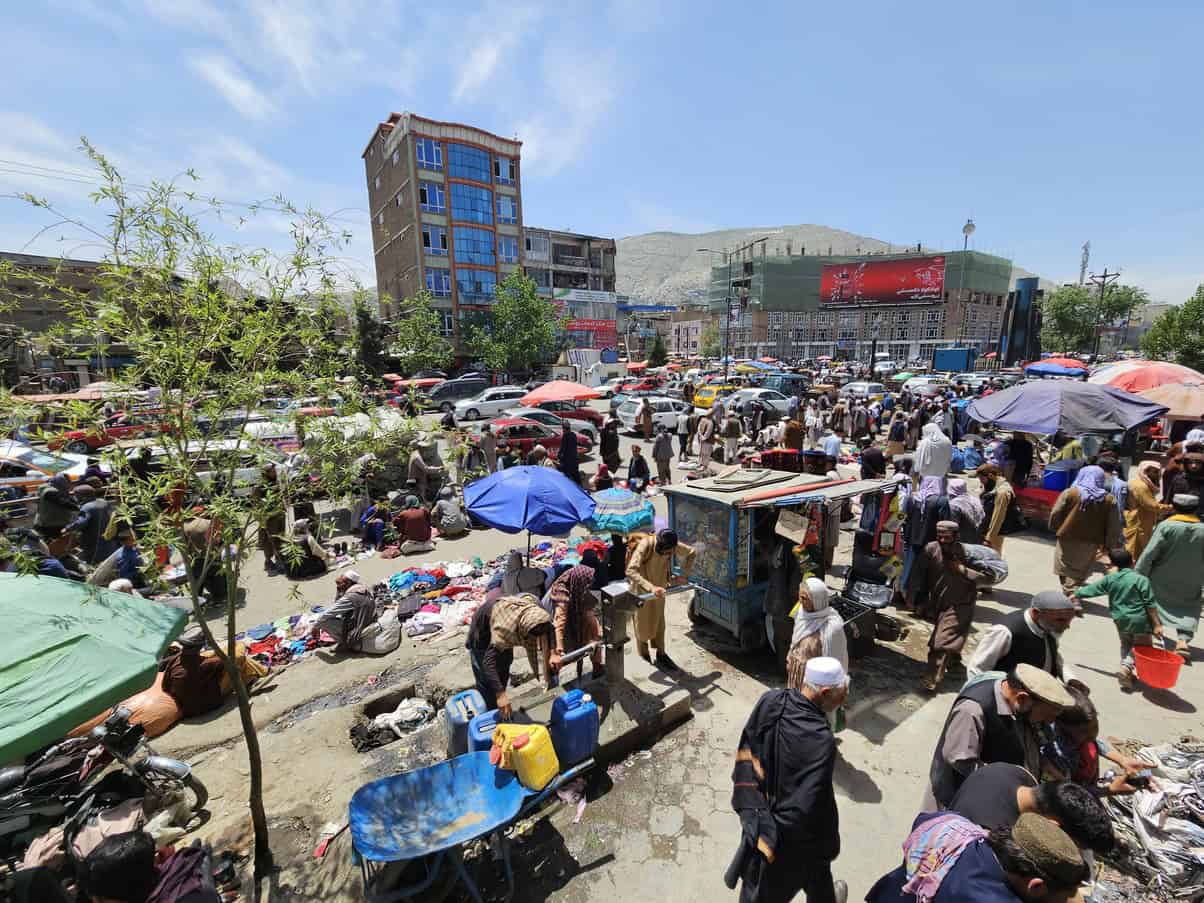
Exploring the streets of Kabul and venturing into cities like Bamiyan and Ghazni, the prevailing atmosphere was one of vibrancy and activity. The bustling streets, filled with thriving businesses and bustling shops, painted a picture of a country on the rise. This dynamic environment instilled a sense of optimism and hope for the future of Afghanistan.
Despite preconceived notions, the integration of Taliban members into daily life contributed to a pervasive sense of security. Their presence was visible throughout the cities, ensuring stability and safeguarding both locals and visitors. This dedication to maintaining a safe environment allowed for an immersive experience, unencumbered by concerns for personal safety.
Behind the scenes, meticulous preparations were undertaken to adhere to the regulations imposed by the Taliban administration. Permits were obtained, taxes were paid, and necessary licenses were secured, all with the primary goal of ensuring the safety and enjoyment of travelers. These comprehensive measures served as a foundation for an enriching and secure travel experience in Afghanistan.
The Afghan people exhibited a resilient spirit and a warm hospitality that welcomed visitors from around the world. Engaging with locals provided valuable insights into the Afghan culture, traditions, and aspirations. It was evident that Afghanistan was undergoing a transformative period, with the people actively participating in business and commerce, paving the way for a prosperous future.
Our last visit to Afghanistan unveiled a vibrant atmosphere brimming with optimism and a steadfast commitment to security. Contrary to popular misconceptions, the experience showcased the dedication of the Taliban administration to maintaining stability and creating a safe environment for all. This remarkable journey provided a unique perspective on the resilience and warmth of the Afghan people, making Afghanistan an exceptional travel destination for those seeking authentic experiences and unforgettable memories.
Where to go in Afghanistan?
First moments in Kabul
Stepping foot in Kabul, we were immediately greeted by a vibrant cityscape teeming with energy and commerce. The bustling streets, filled with shops, restaurants, and taxis, painted a stark contrast to the narratives often portrayed. It was a testament to the resilience and determination of the Afghan people, leaving me with an unwavering belief in the future of this remarkable nation.
Throughout our visit, we observed a strong presence of the Taliban, the governing force in Afghanistan. To our surprise, their efforts were dedicated to ensuring logistical organization and maintaining security. The airport staff, including women working in security roles, remained steadfast, contributing to a sense of stability. From the moment I arrived, I witnessed the Taliban’s commitment to safety.
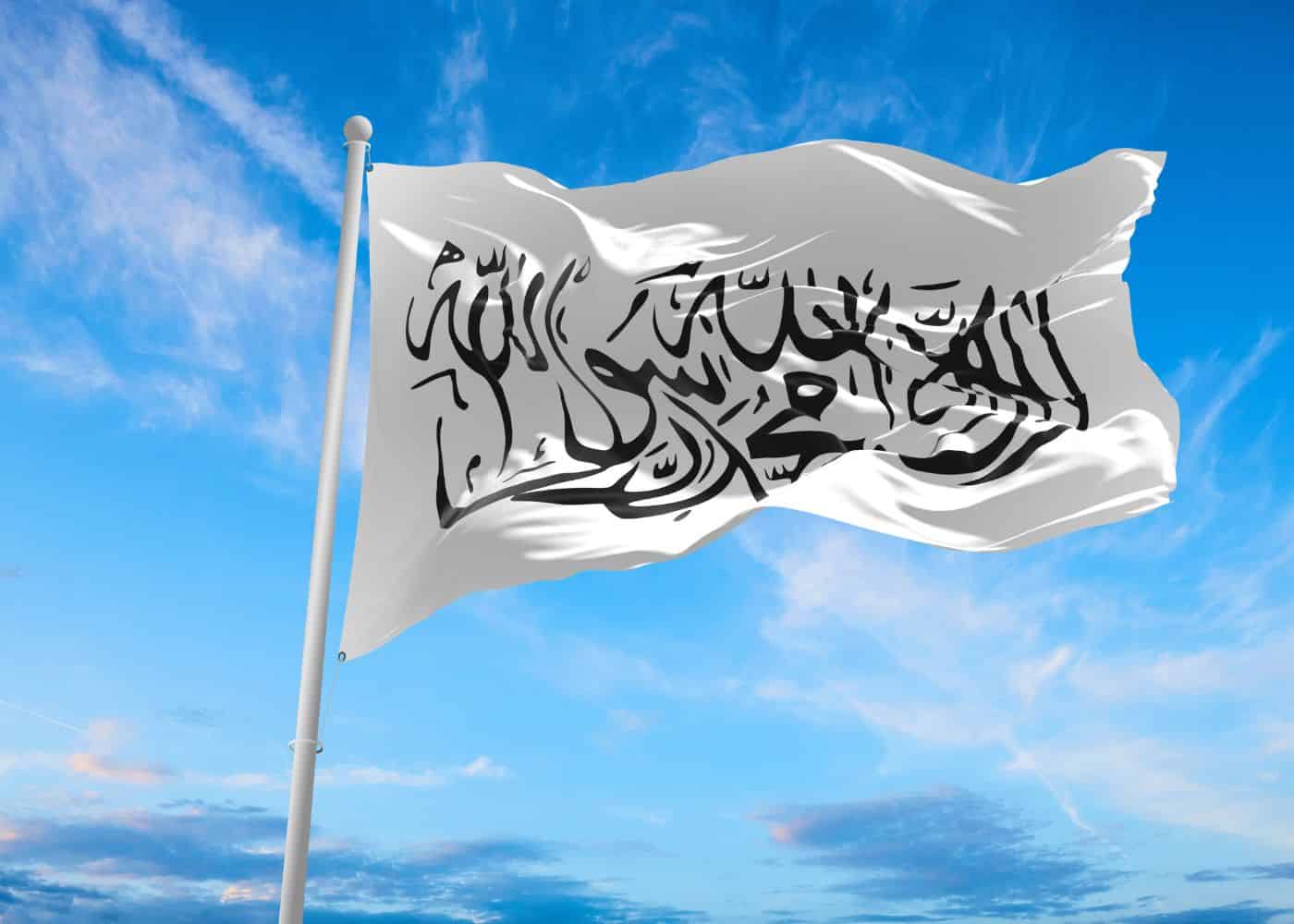
The flag of Afghanistan, currently flown under Taliban rule, carries significant symbolism reflecting the nation’s cultural resilience and Islamic principles. The design features a plain white field with the black Shahada, the Islamic declaration of faith, prominently displayed at the center. This flag represents the victory of the Taliban over the invasion by the USA and international troops, marking a new era for Afghanistan.
Breaking Stereotypes
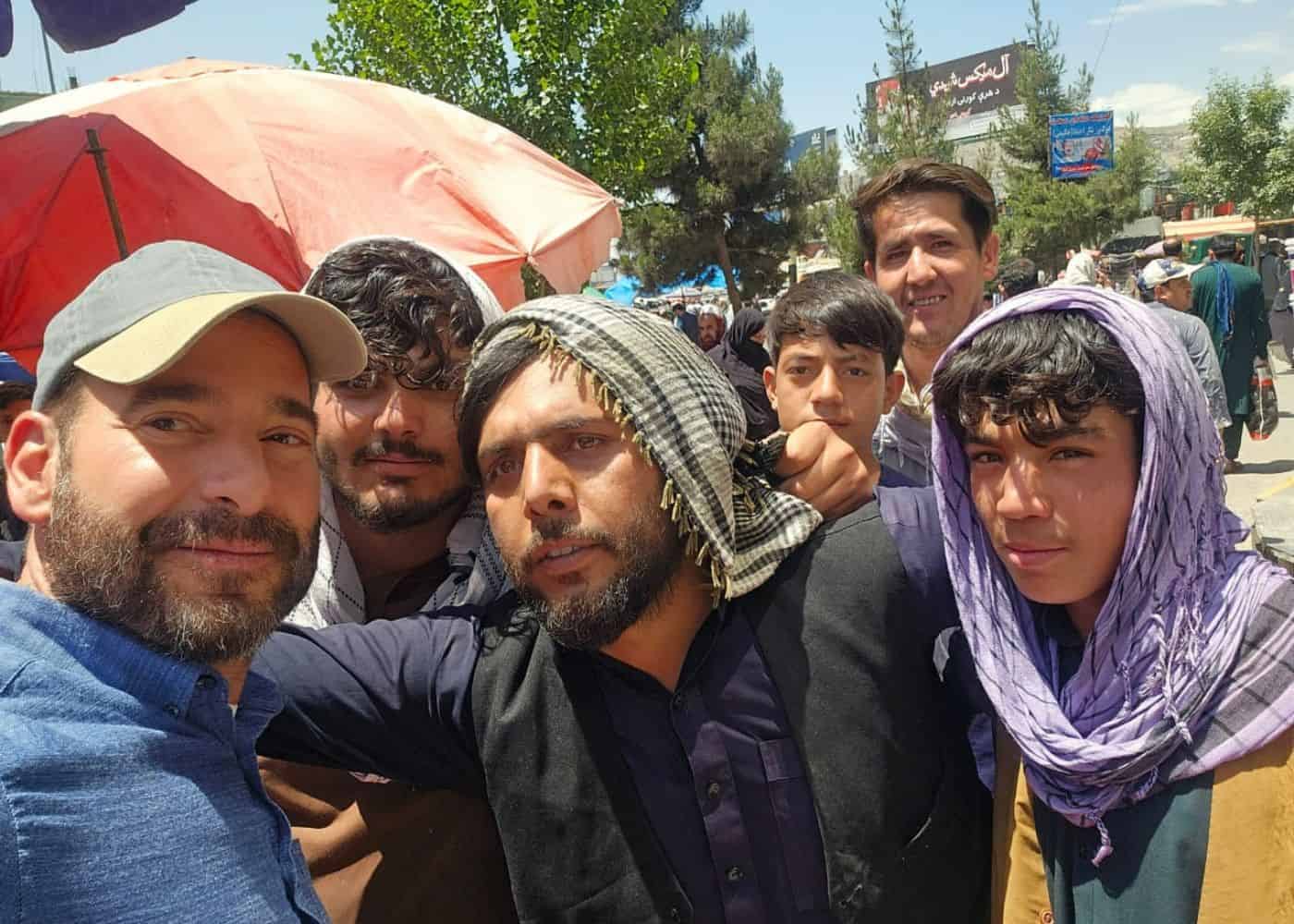
Interacting with the locals was a profound experience facilitated by our knowledgeable English-speaking guides. Language barriers dissolved, enabling us to forge connections with the Afghan people. Engaging in conversations with merchants in vibrant bazaars and sharing stories with students, we were overwhelmed by the warmth and hospitality extended to visitors.
The interaction with the local people of Afghanistan was a truly enriching experience. While language barriers did exist to some extent, our tours ensured the presence of a dedicated English-speaking guide throughout the journey. This made communication with the locals seamless and facilitated a deeper understanding of their culture, traditions, and way of life. Even in instances where English was not widely spoken, the guide acted as a bridge, enabling meaningful connections and conversations.
In a particularly memorable encounter, a visit to a local Taliban school provided a unique opportunity to engage with the teacher and staff. The communication flowed effortlessly as I conversed with the English teacher in English and even had discussions with the Taliban school director in Arabic. This exchange of ideas and perspectives emphasized the importance of education and underscored the evolving landscape of Afghanistan.
While there may be instances where language poses a challenge, particularly in more remote or rural areas, the genuine warmth and hospitality of the Afghan people transcend any barriers. The locals were welcoming, eager to share their stories, and open to engaging with visitors from different backgrounds. Their resilience and optimism were evident, leaving a lasting impression of the incredible spirit that pervades Afghanistan.
As with any travel experience, it is essential to approach cultural differences with respect and an open mind. Afghanistan has a rich and diverse cultural heritage, and being mindful of local customs and traditions enhances the overall experience. Our knowledgeable guides offer valuable insights into the cultural nuances, ensuring that interactions with the locals are respectful and meaningful.
Hotels in Afghanistan
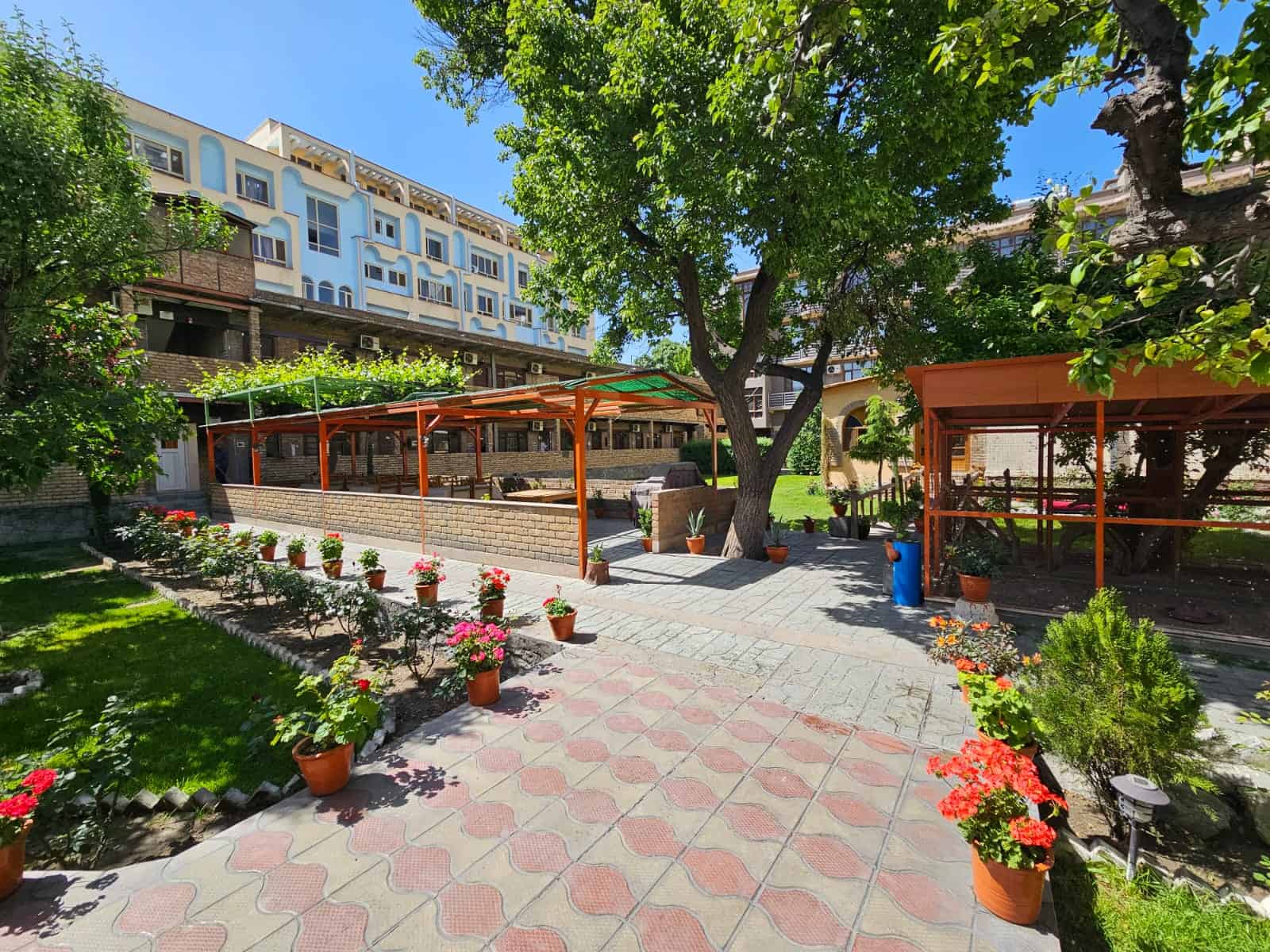
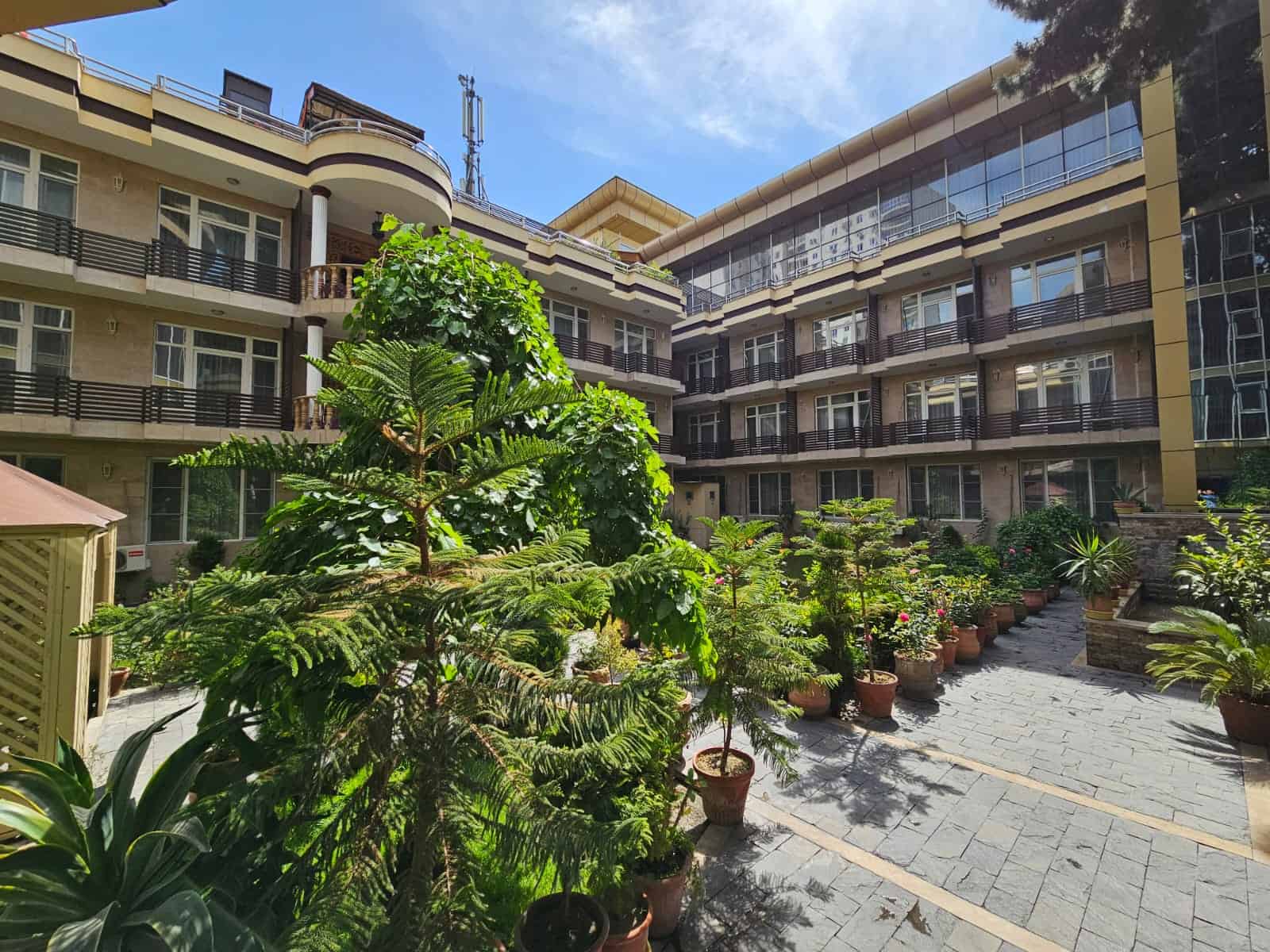
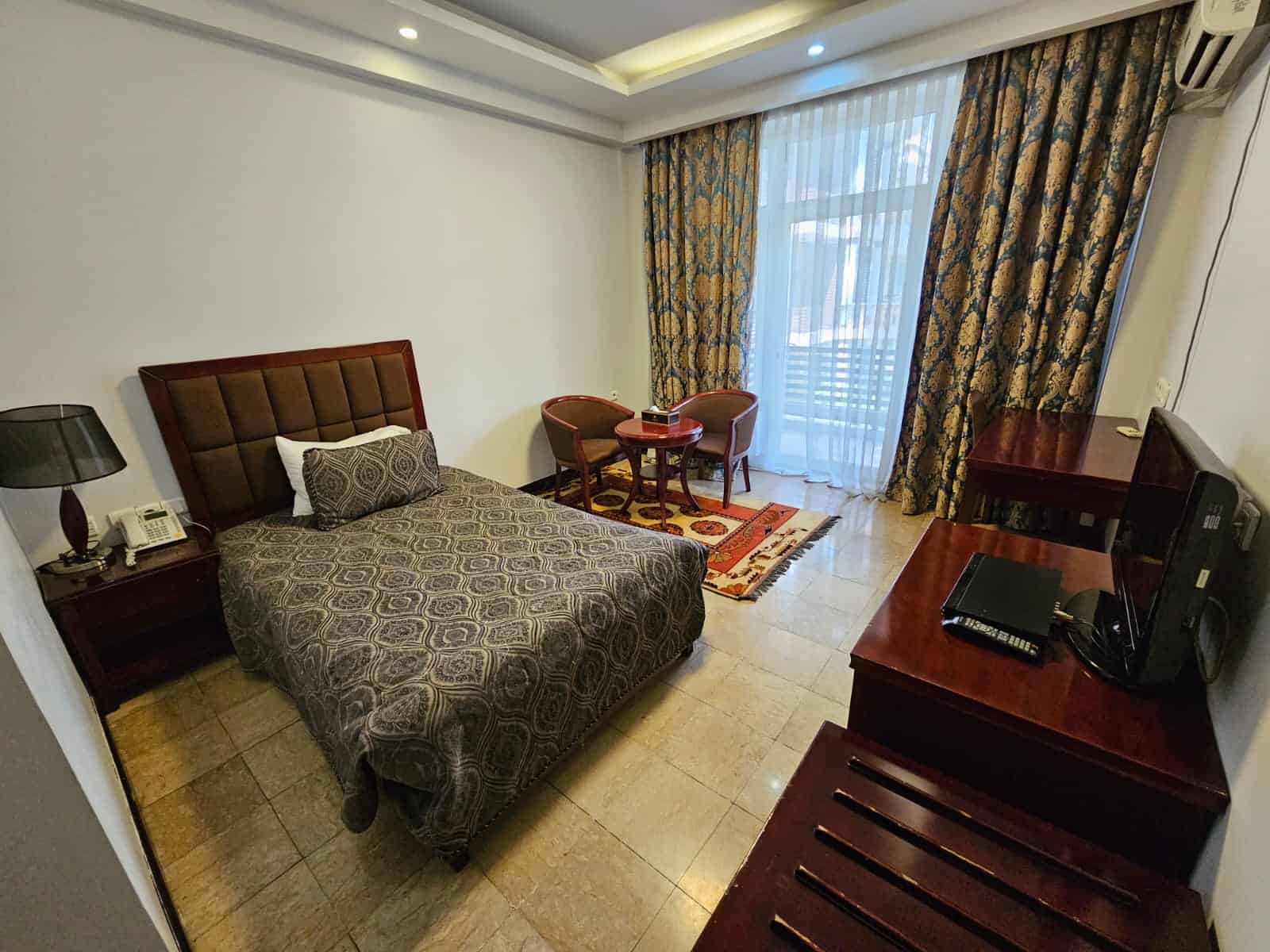
Afghanistan offers a range of accommodations that cater to different preferences and budgets. During our visit to several hotels to guarantee the best product possible, we found various options, including comfortable 3-star hotels and luxurious 4-star establishments. These hotels are conveniently located in major tourist areas such as Kabul, Mazar-e-Sharif, Bamiyan, Herat, and Kandahar, ensuring easy access to popular attractions.
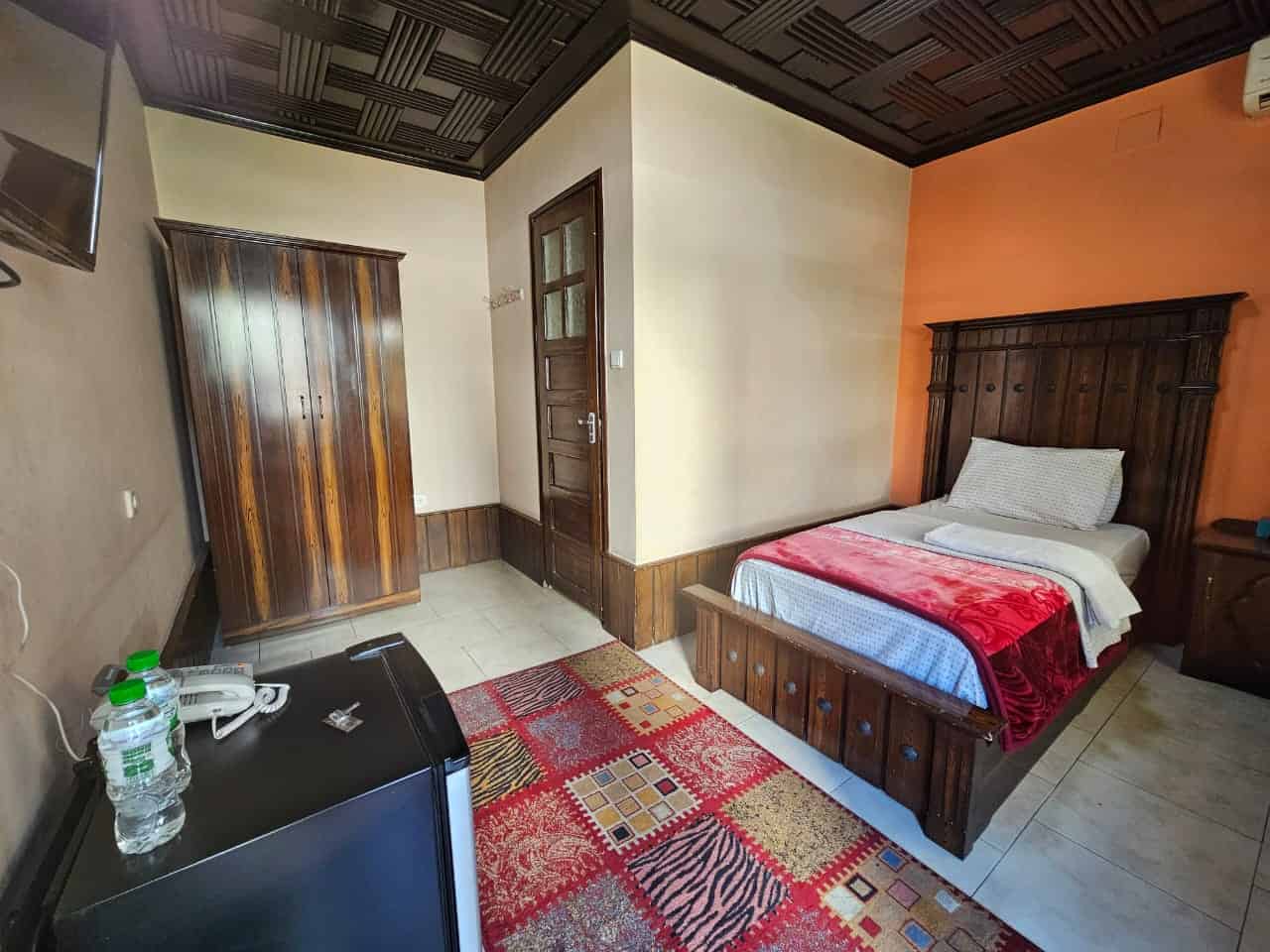
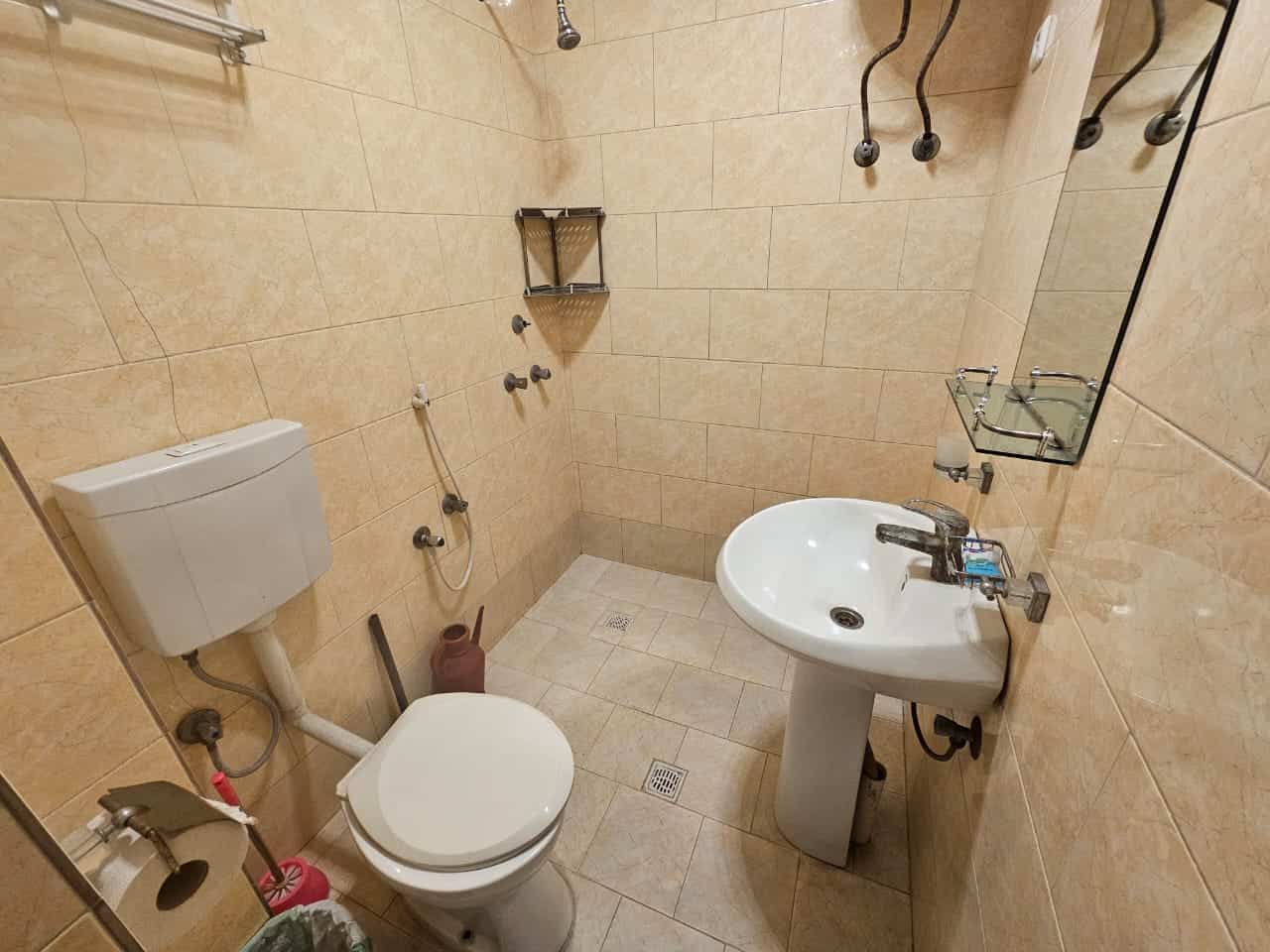
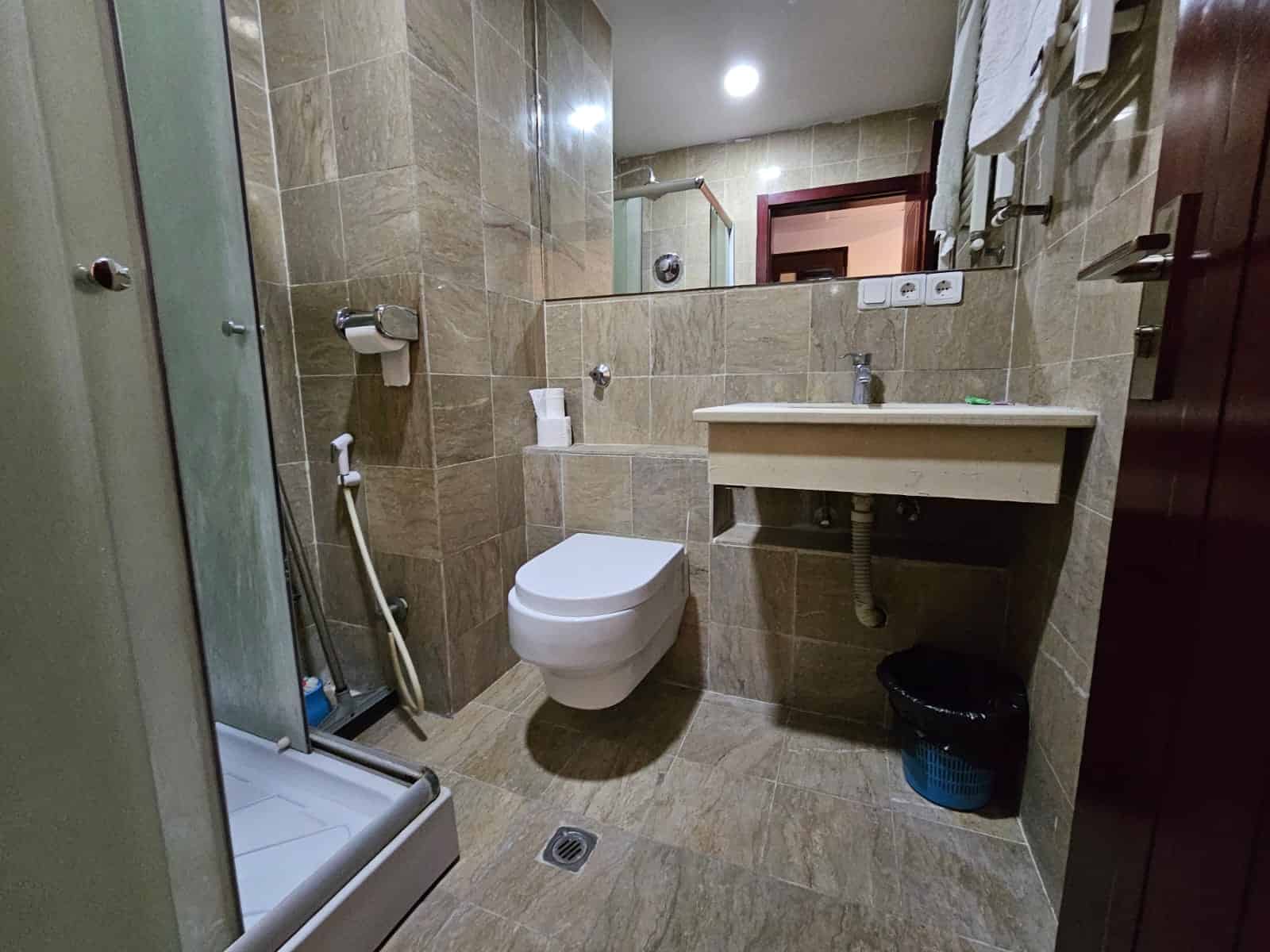
In our Afghanistan tour packages, we prioritize the safety and comfort of our clients. The hotels selected for our tours are part of our base packages, offering private rooms with en-suite bathrooms. This ensures that you have a personal space to relax and unwind after a day of exploration. The hotels are well-secured with guarded entrances, providing an additional layer of safety and peace of mind.
During our stay and while choosing hotels, we found the accommodations to be satisfactory in terms of cleanliness, amenities, and overall comfort. The hotels provided a pleasant environment, allowing us to recharge and prepare for the next day’s adventures. The breakfast included in our packages provided a convenient start to the day, ensuring that we were well-fueled for our explorations.
Some of our hotel examples, below:
Cedar House Hotel in Kabul (3-star hotel)
Hotel Park Star in Kabul (4-star hotel)
Hotel Royal in Bamiyan (3-star hotel)
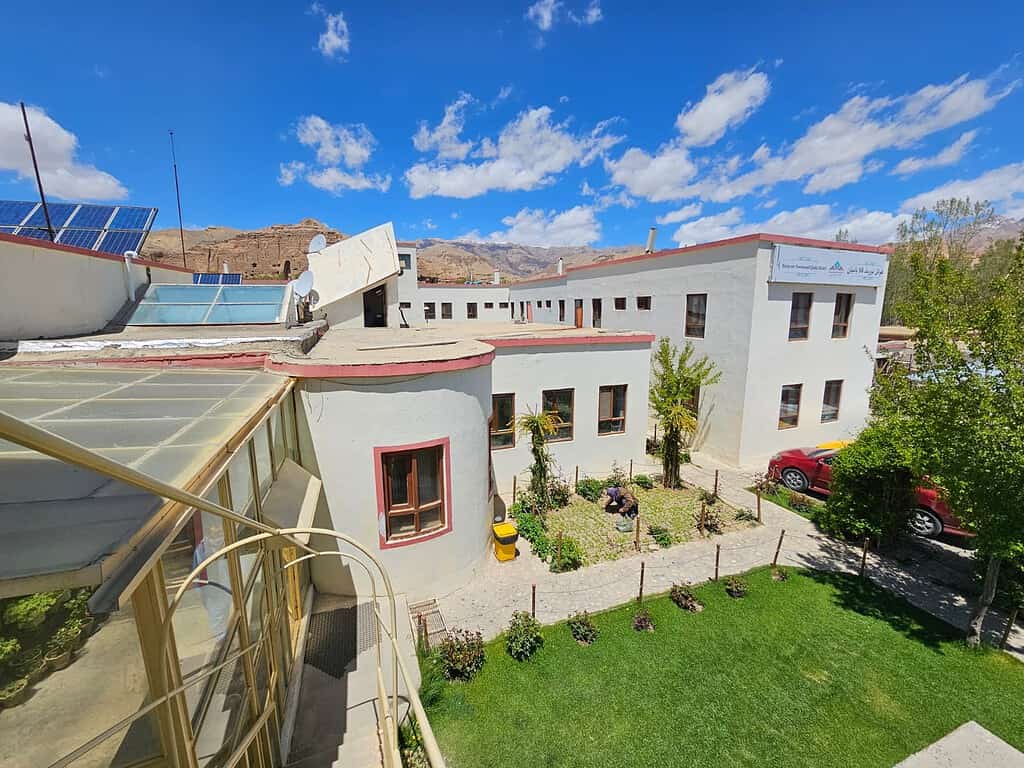
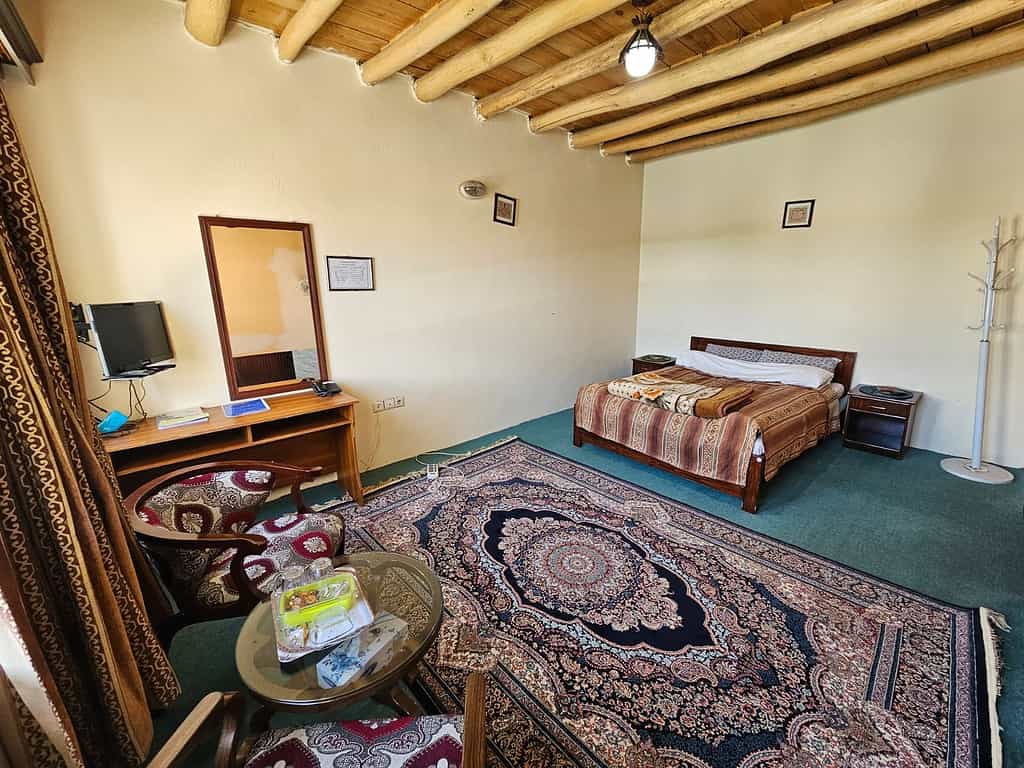

Note: Afghanistan offers a range of accommodations that cater to different preferences and budgets. Our tours prioritize specific locations for your safety and comfort, providing private rooms in well-secured hotels.
Transportation in Afghanistan
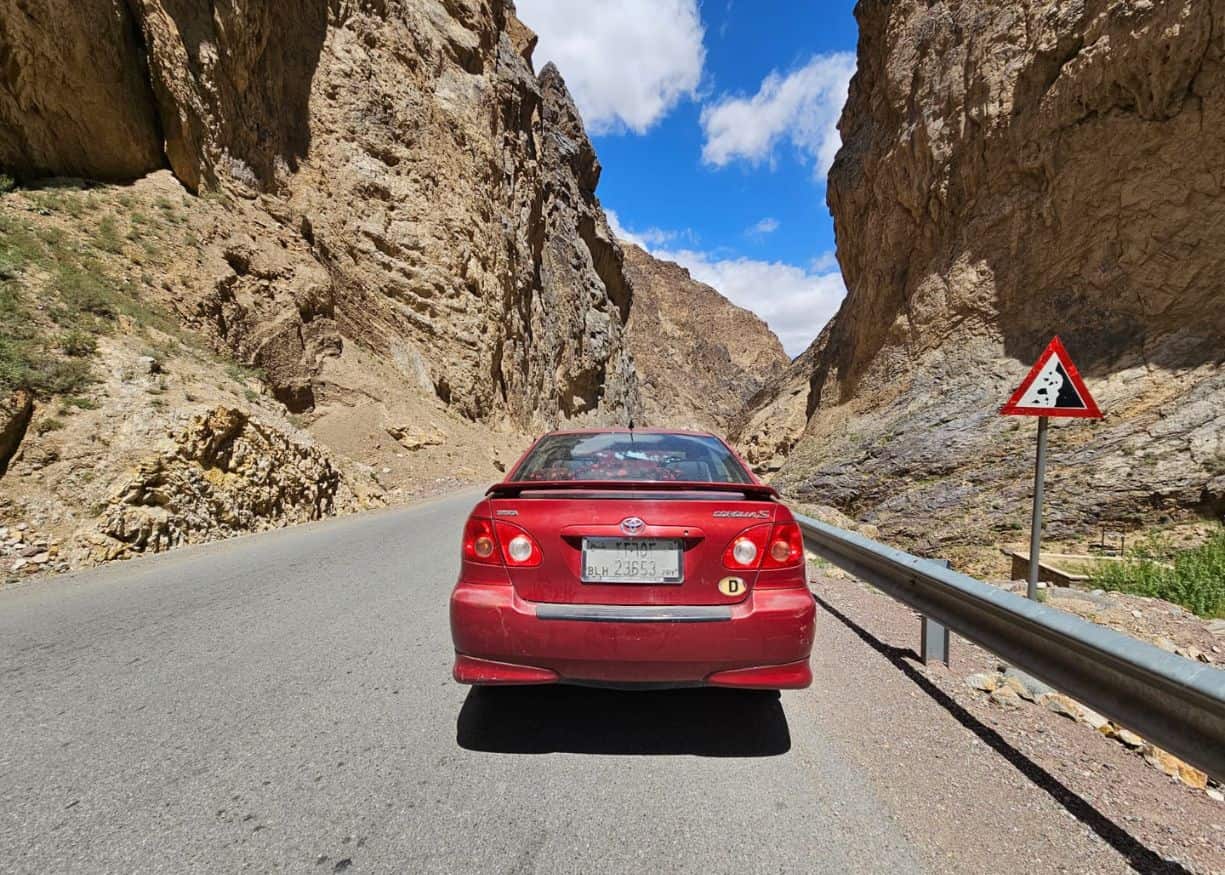
When it comes to transportation within the country, our tours prioritize convenience and safety. We arrange for a private local driver who is well-versed in navigating the roads and familiar with the local terrain. This ensures a smooth and comfortable travel experience as we explore the diverse landscapes of Afghanistan. The drivers are experienced professionals who prioritize the well-being and security of our clients.
For longer distances, we often include domestic flights in our Afghanistan vacation packages. These flights provide a convenient and time-saving option, allowing us to cover large distances quickly and efficiently. During the flights, our guide accompanies you, ensuring seamless communication and providing any necessary assistance.
Upon your arrival at the airport, our meet and greet service will be waiting for you. Our knowledgeable local guide, holding a sign with our RJ Travel company logo, will be readily identifiable, making it easy to find them. They will assist you throughout the airport procedures and ensure a smooth transition to your hotel. This personal touch ensures that you feel welcomed and supported right from the start of your journey.
Note: Transportation is carefully arranged, with private drivers and, when necessary, domestic flights. Our meet-and-greet service ensures a seamless arrival experience, setting the stage for a memorable and worry-free adventure in Afghanistan.
Traveling Safety in Afghanistan
Throughout the visit to Afghanistan, the safety and security measures put in place by the current administration of the Taliban were evident, providing a sense of assurance throughout the journey. At no point did I encounter any situations that made me feel unsafe or apprehensive?
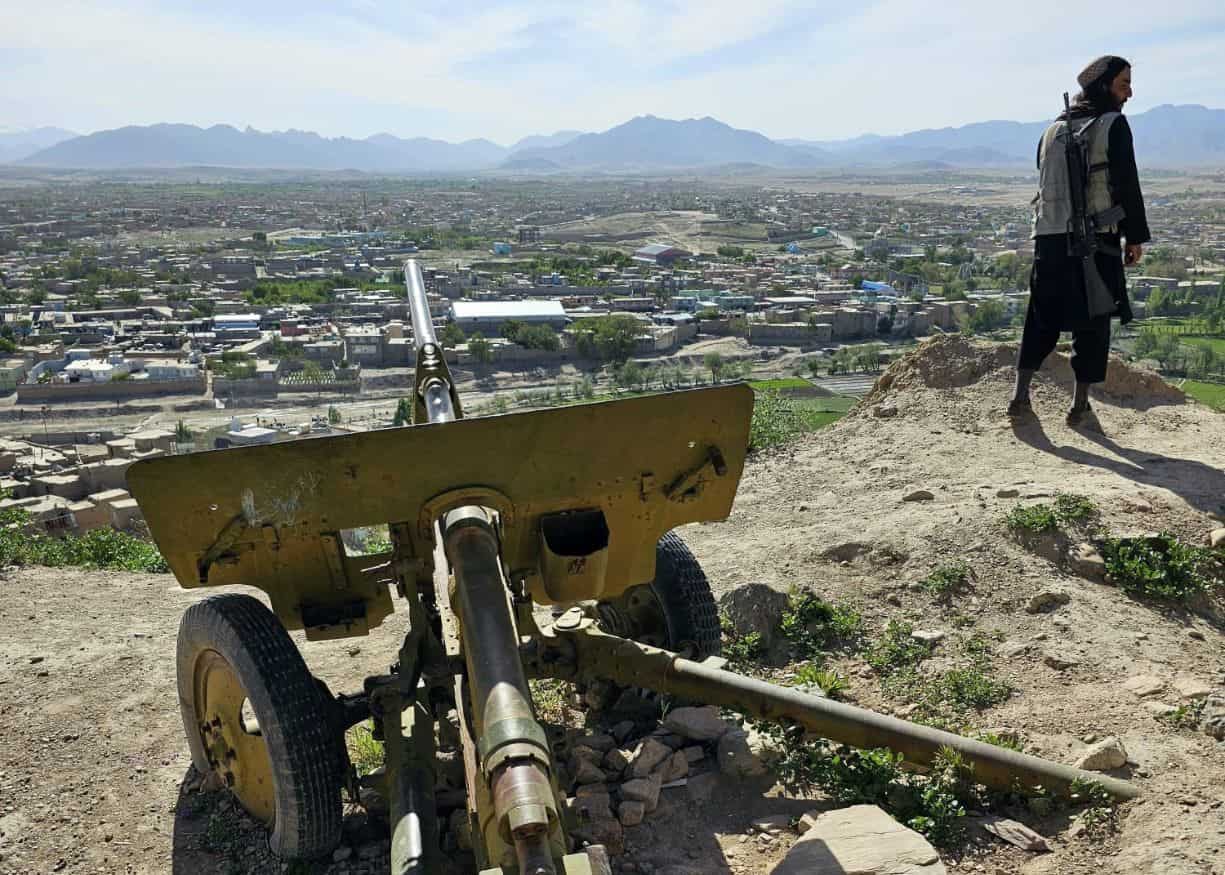
The checkpoints manned by the Taliban were always accompanied by a warm welcome, with soldiers reiterating their commitment to protecting visitors. The phrase “Welcome to Afghanistan, we are here to protect you” became a common refrain, emphasizing their dedication to ensuring a secure environment for travelers.
In terms of safety measures, our tours prioritize thorough preparation and adherence to all necessary requirements. This includes obtaining the required permits, paying relevant taxes, and ensuring all paperwork is in order. By fulfilling these obligations, we were able to navigate checkpoints smoothly, with our knowledgeable guides managing the necessary interactions and formalities seamlessly.
When traveling within the country, it is essential to cooperate with your guide and follow their instructions, particularly during any emergencies or unforeseen circumstances. They are well-trained in handling such situations and will provide guidance to ensure your safety and well-being.
It is important to note that Taliban roadblocks and checkpoints are a common sight in Afghanistan. However, with the necessary paperwork and permits prepared, these encounters become routine and serve as formalities to ensure security and provide peace of mind. Remaining patient and cooperative during these interactions is key to maintaining a positive travel experience.
Is Afghanistan Safe to Travel
Afghanistan has made significant progress in terms of security, and with the presence of security forces and the commitment of the Taliban to protect foreigners, the overall atmosphere is one of safety and comfort. By traveling with a reputable tour operator, such as ours, that has assessed the security of the locations you will visit, you can embark on your journey with confidence, knowing that the necessary precautions have been taken to ensure your well-being.
The safety and security measures implemented by the current administration of the Taliban in Afghanistan provide travelers with a secure and enjoyable experience. Instances that may cause concern are rare, and by adhering to the guidance of your guide and ensuring all necessary paperwork is in order, you can fully immerse yourself in the rich culture and awe-inspiring landscapes of this remarkable country.
Interactions with Local Taliban Authorities
During our last visit to Afghanistan, we actively engaged in conversations with local people, aiming to foster connections and break down barriers. We made a conscious effort to approach Taliban checkpoints and establish a friendly presence, dispelling any preconceived notions. Our interactions were met with positive responses as the Taliban officers showed interest, posed for photos, and even shared jokes. One memorable encounter stands out when a Taliban soldier held João’s hand and expressed a heartfelt sentiment:
“Before we were enemies, now we are friends. We are here to protect you. Welcome to Afghanistan, brother.“
Young Taliban security force
In Ghazni, we had the privilege of being personally escorted by the Taliban Tourism and Culture Task Force. This dedicated team is actively working to enhance tourist sites and create a welcoming environment for visitors. Our private tour with the tourism manager allowed us to experience the best of the city’s sights.
We also had the opportunity to meet with Taliban authorities involved in regional tourism and local development. The atmosphere was cordial and friendly as they offered us tea and shared their aspirations for the future. They expressed their desire to promote tourism and actively spread the word about the reality of the situation in Afghanistan. Through their social media task force, they stay informed about public perceptions and work to counteract any misinformation. Our firsthand experience in the country reaffirmed the stark contrast between the ground reality and the perceptions shaped by social media narratives.
Our interactions with law enforcement and local authorities were characterized by warmth and a shared vision for a brighter future. The welcoming environment created by the Taliban and their dedication to promoting tourism were evident throughout our journey in Afghanistan.
Travel to Afghanistan
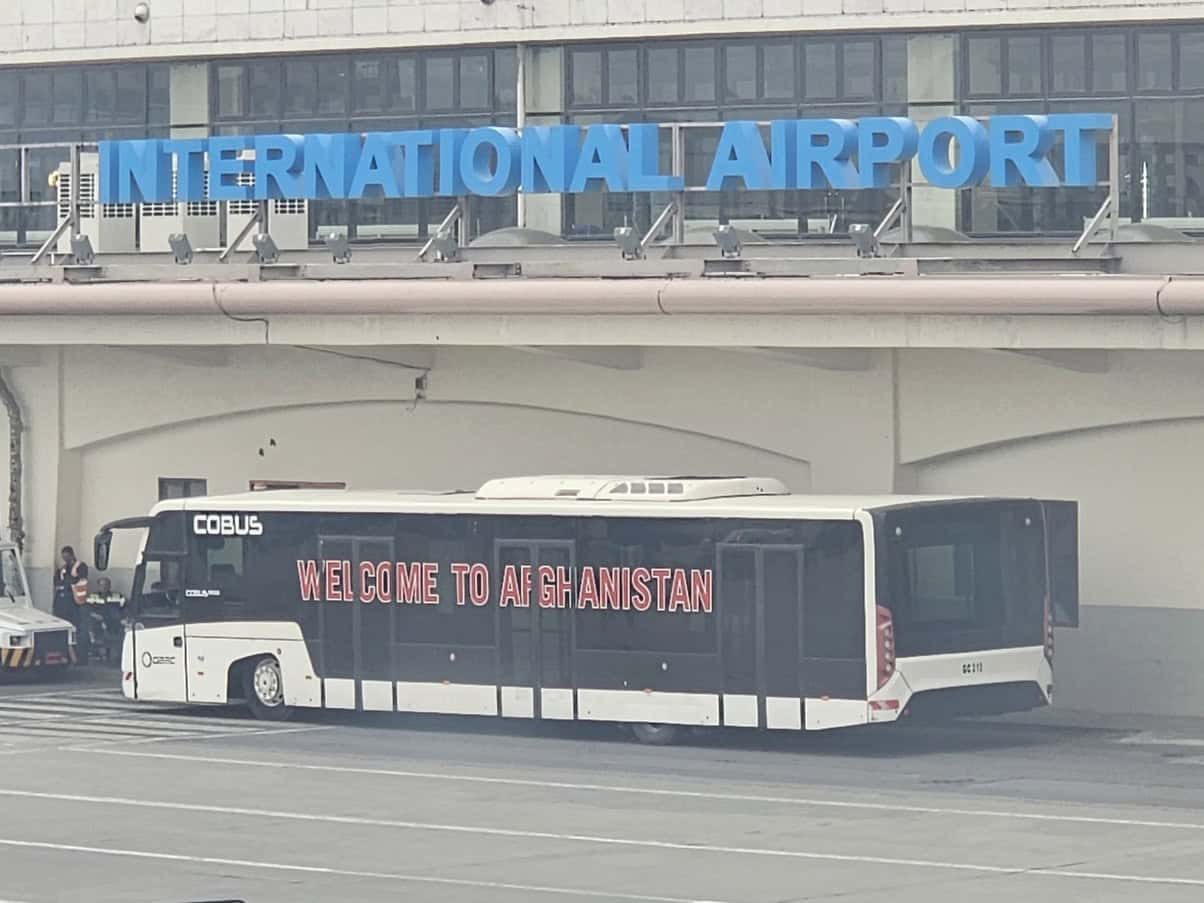
Embarking on a journey to Afghanistan is an opportunity to immerse yourself in a land brimming with rich cultural heritage and breathtaking landscapes. Our Afghanistan tours offer a safe and enjoyable travel experience, allowing you to witness the wonders of this remarkable nation firsthand. From the moment you arrive at Kabul airport, we will be there to greet you and ensure a seamless start to your adventure.
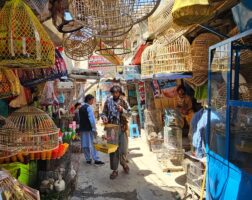
Afghanistan presents a plethora of activities for travelers seeking unique experiences. Delve into the history and culture of Kabul city, that blends modern development with ancient traditions. Explore its bustling markets, such as the Bird Market, where vibrant stalls offer a glimpse into daily life. Marvel at architectural gems like the Shah Do Shamshira Mosque, a testament to the city’s grandeur.
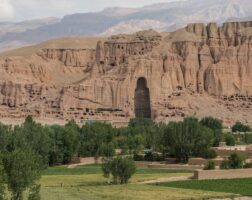
Venture to Bamiyan, a region renowned for its awe-inspiring Buddhas and captivating mountain landscapes. Discover the Band-e Amir National Park, a natural wonder adorned with pristine lakes and majestic cliffs. The serene beauty of this area will leave you in awe.
A visit to Mazar-e-Sharif is a must to witness the enchanting Blue Mosque, a sacred site revered by locals and visitors alike. Explore the bustling bazaars and immerse yourself in the city’s vibrant atmosphere. Take a trip to Balkh, a city steeped in history and home to remarkable archaeological sites.
While our tours cover a wide range of destinations, it is important to note that safety is our top priority. We carefully assess the security of all areas included in our itineraries, ensuring that you can explore with peace of mind. We prioritize domestic flights for longer distances, guaranteeing your comfort and security.
In Afghanistan, the possibilities for adventure are endless. Whether you’re captivated by historical sites, intrigued by local traditions, or yearning to witness the country’s natural wonders, Afghanistan has it all. Our team of experienced guides will accompany you every step of the way, providing insights into the culture and history of each destination.
It is important to follow the guidance of our knowledgeable guides and adhere to their recommendations. By doing so, you can fully enjoy the wonders of Afghanistan while minimizing any potential risks. We have crafted our itineraries to include the most captivating and safe areas, ensuring that your journey is nothing short of extraordinary.
Embrace the opportunity to explore Afghanistan’s hidden treasures, engage with friendly locals, and create lifelong memories. With our commitment to safety and your passion for adventure, your experience in Afghanistan will undoubtedly be unforgettable. Join us on a remarkable journey and discover the beauty and resilience of this extraordinary nation.
Highlights of Afghanistan
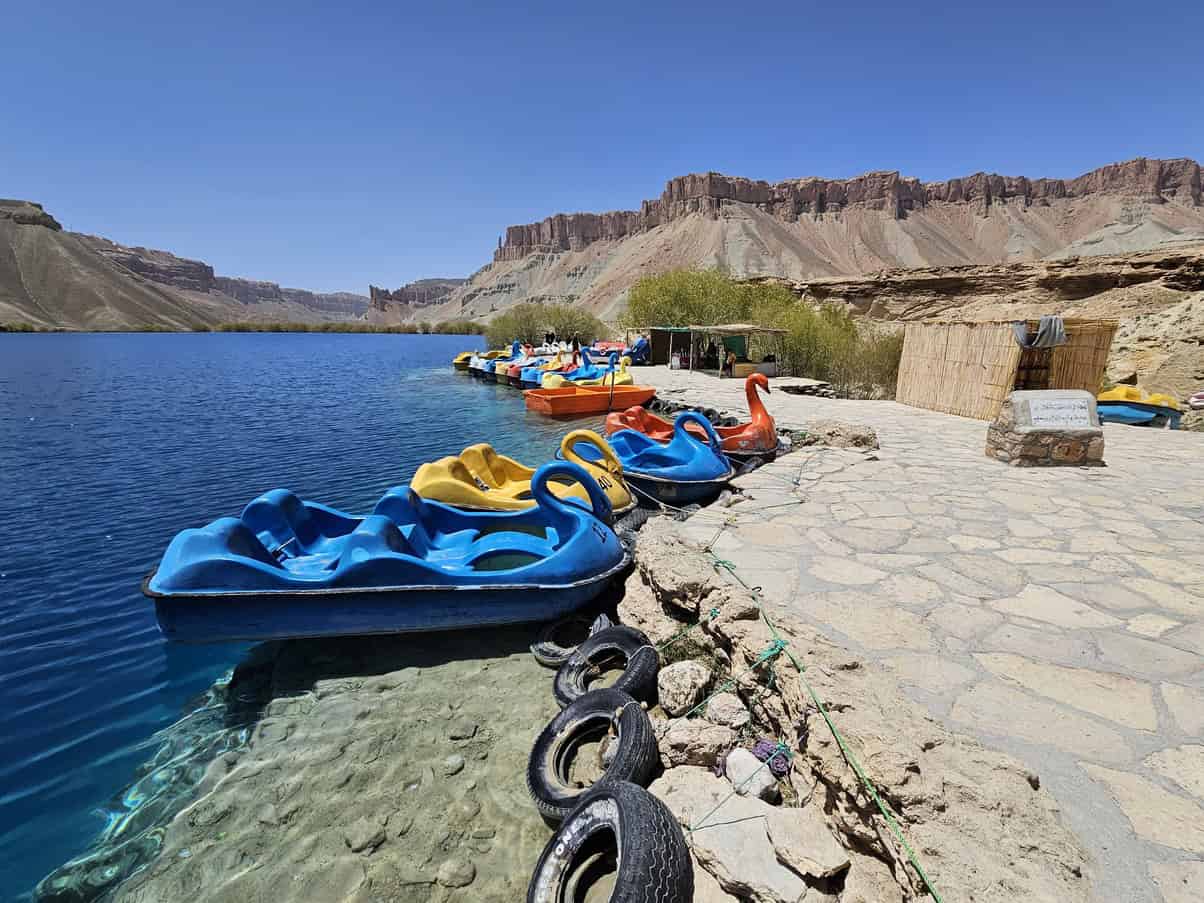
Afghanistan offers a wealth of highlights that are sure to appeal to potential tourists. One of the most remarkable destinations is the Bamiyan Valley, home to the awe-inspiring Buddhas and stunning mountain landscapes. Exploring this UNESCO World Heritage site is a truly mesmerizing experience. Additionally, the Band-e Amir National Park, with its pristine lakes and majestic cliffs, is a natural wonder that should not be missed.
For those seeking cultural and historical treasures, a visit to the Blue Mosque in Mazar-e-Sharif is a must. This sacred site exudes grandeur and provides a glimpse into the rich heritage of the region. The city of Balkh, with its archaeological sites and fascinating history, offers a captivating journey back in time.
To give you an idea of the incredible itineraries we offer, let’s take a look at our 12-day Afghanistan Group Tour. This carefully crafted tour ensures an immersive and safe travel experience. With guaranteed monthly departures and a fixed price of $2500 USD per person in a private room, it is designed to accommodate groups of any size.
Throughout the tour, you will explore diverse cities and landmarks that showcase the beauty and cultural richness of Afghanistan. From Kabul’s vibrant Bird Market and Shah Do Shamshira Mosque to the ancient cities of Ghazni and Kandahar, each day presents new discoveries. The journey continues to the enchanting Bamiyan Valley, where you will witness the captivating Buddhas and visit the breathtaking Band-e Amir National Park.
The tour takes you to Mazar-e-Sharif, where you can immerse yourself in the bustling bazaars and marvel at the renowned Blue Mosque. A visit to Balkh provides further insights into the region’s history and architectural wonders. The tour culminates in Kabul, where you will explore the Sakhi Shrine, the Gardens of Babur, and other cultural gems.
12-day Group tour of Afghanistan
- Day 1 » 6:15 / 7:15 » Kabul Arrival from Dubai » Airport Meet & Greet » Hotel transfer » Kabul visit 11:00 (Sakhi Shrine, Shah Do Shamshira Mosque, Bird market, Timur Shah Durrani Mausoleum)
- Day 2 » 09:00 » Kabul Airport transfer » Herat flight 12:00-13:15 » Herat (Malan Bridge, Citadel, National Museum, Friday Mosque, Market)
- Day 3 » 08:30 » Herat (Tomb of Khwaja Abdullah Ansari and Mirwais Sadiq Khan) » Airport transfer 11:00 » Kabul flight 13:30-14:30 » Kabul (Shewaki Buddhist Stupa)
- Day 4 » 07:30 » Kabul Airport transfer » Kandahar flight 10:00-11:00 » Kandahar city tour (Ahmad Shah Durrani, Mirwais Hotak Shrine, Red Mosque, Chihil Zina Top)
- Day 5 » 10:00 » Kandahar » Airport transfer » Flight to Kabul 12:00-13:00 » Kabul (Aynak Archaeological Site)
- Day 6 » 08:30 » Kabul » Ghazni (Minarets, Citadel, Military Open Air Museum) » Bamiyan
- Day 7 » 08:30 » Bamiyan (Gholghola Ancient City, Zuhak Ancient City, Kakrak Valley, Ancient Buddhas, Cave Houses)
- Day 8 » 08:30 » Bamiyan » Band-e Amir National Park 4WD day trip » Bamiyan (Market, English School)
- Day 9 » 04:00 » Bamiyan » Takht-i Rustam (Buddhist Stupa, Cave Bazaar) » Mazar-e-Sharif
- Day 10 » 08:30 » Mazar-e-Sharif » Balkh (Khoja Parsa Mausoleum, Bala Hisar, No Gombad Mosque) » Mazar-e-Sharif (Blue Mosque, Baba Mazari Mausoleum, Bazaar)
- Day 11 » 08:30 » Mazar-e-Sharif » Kholm (Bagh e Jahan Nama Palace) » Kabul
- Day 12 » 08:30 » Kabul (The National Museum of Afghanistan, Gardens of Babur, Id Gah Mosque) » Airport Transfer 15:00 » Departure from Kabul to Dubai 17:25
[trip_file_downloads trip_id=42506]
If you are considering traveling to Afghanistan, we encourage you to break free from preconceived notions and stereotypes. The country is undergoing significant changes, and by visiting, you will witness history in the making. Our experienced team ensures your safety and comfort throughout the journey, allowing you to focus on embracing the beauty and resilience of this extraordinary nation.
Join a Group
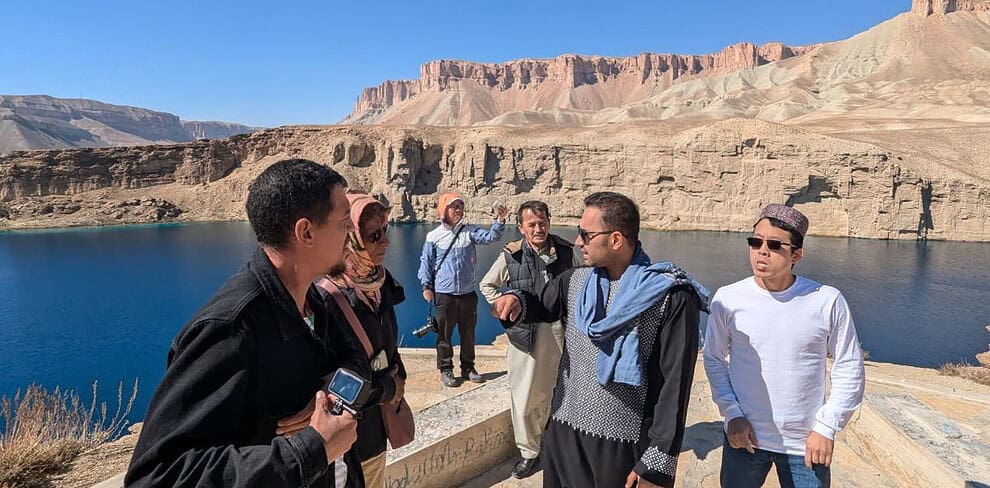
Embark on an extraordinary 12-day group trip through Afghanistan, exploring its ancient cities, cultural landmarks, and stunning landscapes. This tour…
When traveling to Afghanistan, it is essential to follow the guidance of our knowledgeable guides and adhere to their recommendations. Respect local customs and traditions, dress modestly, and seek opportunities for cultural exchange with the friendly locals. By approaching your journey with an open mind and a spirit of curiosity, you will have the chance to create lifelong memories and gain a deeper understanding of Afghanistan’s rich heritage.
Come and experience the real Afghanistan, a land of remarkable beauty and warm hospitality. Let go of preconceptions and embark on a journey that will leave you with a profound appreciation for this extraordinary country. History is unfolding, and we invite you to be a part of it.
Girls’ Education in Afghanistan
We can’t finish our page without mentioning this important subject.
In Afghanistan, the topic of girls’ education has been a subject of international attention and discussion. It is important to approach this matter with sensitivity and a nuanced understanding of the cultural context. As I delved deeper into the educational landscape during my visit, I discovered a complex situation that offers glimpses of progress and hope.
While it is true that public schools in Afghanistan are not currently accepting girls, it is crucial to understand the underlying reasons behind this decision. The government expresses concerns regarding the existing curriculum, which they believe emphasizes non-Islamic values and topics such as LGBT issues or thinking about building a career before having a family. As part of their commitment to reshaping the education system, they have plans in place to rebuild the curriculum and integrate girls in the coming years. Additionally, efforts are being made to construct new girls’ schools and design appropriate uniforms that align with cultural values.
However, it is essential to note that girls are still pursuing education in Afghanistan. Private schools have played a significant role in this regard, providing opportunities for both girls and boys to learn and grow. During my time in Afghanistan, I had the privilege of visiting an English academy established by my local guide. Despite the recent changes in government, the school remained open, and girls and boys were actively engaged in learning subjects such as English and mathematics. The Taliban, while maintaining their commitment to separate boys and girls either in different classes or different sections of the classroom, respected the rules established by the school. They dedicated a portion of the pre-class time to remind and educate girls about the importance of women in Islam, family values, and the role they can play in society.
Drawing parallels with Iran after the Islamic Revolution in 1979, where girls initially faced challenges in accessing education, today, Iran stands as an example of progress. Girls in Iran now have access to higher education, and their participation in society is notable. It remains to be seen how the situation will evolve in Afghanistan under Taliban rule, as their government structure encompasses differing perspectives on female education. This topic is undoubtedly sensitive and subject to ongoing dialogue. However, it is worth emphasizing that girls in Afghanistan are currently attending school, despite certain misconceptions propagated on social media.
In summary, the landscape of girls’ education in Afghanistan is evolving. While public schools are undergoing transformations to integrate girls, private schools have emerged as pillars of educational opportunity. The commitment to providing girls with access to education and the empowerment it brings is visible. By supporting responsible and respectful travel to Afghanistan, you can contribute to the progress and foster a deeper understanding of the unique cultural context that shapes the country’s educational landscape.
Conclusion
We invite you to seize this incredible opportunity to explore the remarkable nation of Afghanistan. Discover its hidden treasures, immerse yourself in its rich culture, and witness the resilience of its people. With our expertise and dedication, we are here to guide you on a journey that transcends preconceived notions and allows you to experience Afghanistan’s vibrant history and awe-inspiring landscapes.
During our travels in Afghanistan, we had the opportunity to explore the country alongside a Hazara guide and driver. We encountered several Taliban checkpoints along the way, and it was interesting to observe the changing dynamics and interactions between the local people and the Taliban. The sense of trust and protection conveyed by the Taliban towards the Hazara community, for example, was evident in their warm greetings and reassurances.
Afghanistan is a country that is gradually rebuilding and transitioning towards a more stable future. The gradual acceptance and trust placed in the Taliban by the local population reflect the changing dynamics after years of insecurity.
Journey to Afghanistan, where enemies become brothers, laughter intertwines with history, and prejudices dissipate into thin air. Welcome to a nation of extraordinary experiences and unforgettable memories. Welcome to Afghanistan, a land ready to embrace you with open arms.
Book your tour in Afghanistan with RJ Travel and embark on a secure and enjoyable travel experience that will create memories to last a lifetime. Don’t miss out on this extraordinary opportunity to explore the hidden treasures of this remarkable nation.